

Why Modern Travelers Are Embracing Sustainable Tourism
A sustainable travel guide isn’t just another travel trend—it’s becoming essential as tourism accounts for 8-10% of global greenhouse gas emissions. With over 1.4 billion international tourist arrivals in 2019 and 84% of travelers saying sustainability matters to them, the industry is at a crossroads.
Quick sustainable travel essentials:
- Choose eco-certified accommodations and tour operators
- Travel slower with longer stays to reduce transport emissions
- Support local communities through authentic experiences
- Pack reusable items to minimize single-use plastics
- Offset unavoidable emissions through verified programs
- Respect local cultures and wildlife conservation efforts
The good news? Sustainable travel doesn’t mean sacrificing luxury or unique experiences. It means making conscious choices that benefit local communities while protecting the destinations we love.
As tourism expert David Leventhal notes: “We must do better than just sustain travel… we must reverse damage, and regenerate working at a whole systems level to integrate people and planet better.”
The climate crisis makes this urgent. Current CO2 levels are 400+ parts per million higher than any time in 800,000 years. About 1 million species face extinction. Yet travel can be part of the solution when done right.
Every year, more than 8 billion people visit protected areas, generating $850 billion that helps finance conservation. Your travel choices matter more than you think.
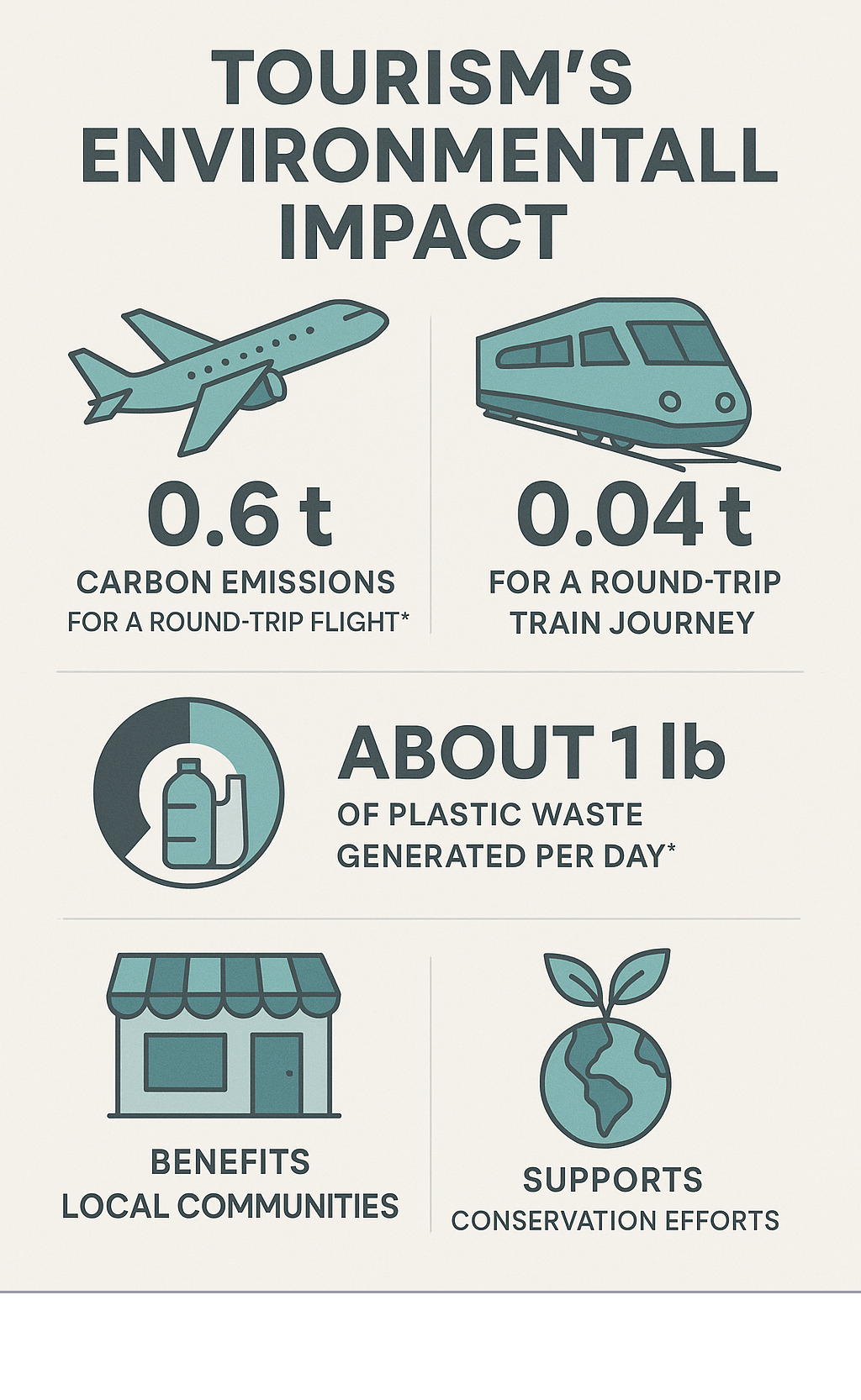
Essential sustainable travel guide terms:
Why Sustainable Travel Matters
The numbers paint a stark picture of tourism’s global footprint. Our wanderlust contributes to 8-10% of global carbon emissions, but the impact goes far beyond climate change. Every year, 8 million metric tons of plastic flow into our oceans—imagine a garbage truck dumping plastic waste every single minute. Tourism hotspots, with their endless stream of single-use water bottles, food containers, and souvenirs, contribute heavily to this crisis.
Overtourism is pushing beloved destinations to their breaking point. Venice residents flee their own city as cruise ships tower over historic buildings. Maya Bay in Thailand closed indefinitely after tourist boats destroyed its coral reefs. These aren’t isolated incidents—they’re warning signs of what happens when tourism grows without limits.
Dr. Susanne Becken puts it bluntly: “The growth of tourism is putting more and more pressure on communities to a point where some tourism hotspots don’t want to engage with it anymore.” Cities like Dubrovnik now cap daily cruise arrivals, while Barcelona restricts vacation rentals to protect local housing markets.
But here’s the encouraging truth: tourism can be a powerful force for good when we approach it thoughtfully. When travelers choose responsibly, their spending lifts communities out of poverty, improves living standards, and creates jobs that didn’t exist before. Tourism provides the funding that protects endangered wildlife, preserves ancient temples, and maintains national parks.
The United Nations Sustainable Development Goals (SDGs) recognize tourism’s incredible potential to drive economic growth while protecting our planet. When done right, travel supports culture preservation by giving communities economic incentives to maintain their traditions, languages, and crafts.
Organizations like the Global Sustainable Tourism Council (GSTC) have created certification standards that help destinations and operators balance profit with planet and people. These frameworks ensure that the economic benefits of tourism don’t come at the expense of future generations.
That’s where this sustainable travel guide comes in. Every conscious choice you make—from the destinations you visit to the accommodations you book—shapes the future of travel. The question isn’t whether to travel, but how to travel in ways that leave places better than we found them.
Planning Your Trip: The Ultimate Sustainable Travel Guide Roadmap
Creating a sustainable travel guide starts with rethinking how we plan our trips. The magic happens when we shift from rushed, last-minute booking to thoughtful, intentional planning that considers every phase of our journey.
Here’s what surprised us: research shows that mindful planning can slash your trip’s environmental impact by up to 70%. That’s huge! It all comes down to making conscious choices at each decision point, from where you go to when you travel.
Off-season travel is your secret weapon for sustainable exploration. You’ll sidestep the crowds that overwhelm popular destinations while often snagging better prices and more authentic experiences. Picture exploring Southern Italy’s charming villages in late winter instead of the post-Easter rush—you’ll find a completely different side of the country while giving overtouristed areas a breather.
Slow travel transforms everything. Instead of racing through multiple destinations (and racking up transport emissions), staying longer in fewer places creates deeper connections with local communities. As travel experts often say, “A packed itinerary leads to stress and superficial experiences.” We couldn’t agree more.
The beauty of destination choice lies in finding places that actively welcome responsible tourism. Some destinations have invested heavily in sustainable infrastructure, making your eco-friendly choices easier and more impactful.
For more detailed planning strategies, check out our comprehensive guide on Sustainable Travel Tips.
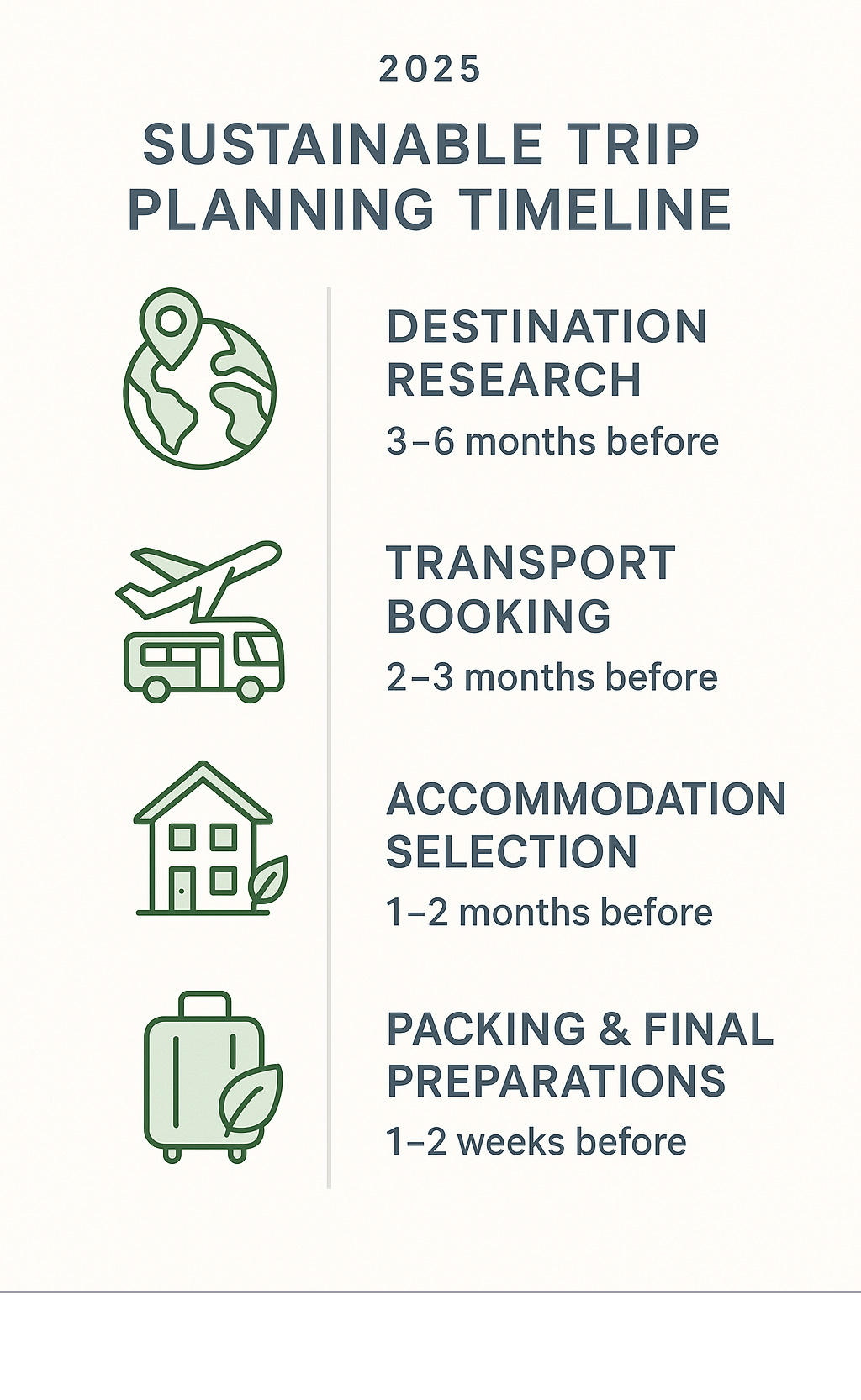
Core Principles in a Sustainable Travel Guide
Every thoughtful sustainable travel guide rests on three pillars that create real impact: people, planet, and profit. This isn’t just feel-good talk—it’s a proven framework that ensures your trips benefit local communities, protect precious environments, and support healthy economic development.
The Leave No Trace principles offer a perfect foundation for responsible travel. Originally designed for outdoor enthusiasts, these seven guidelines work beautifully for any type of trip: plan ahead and prepare, travel on durable surfaces, dispose of waste properly, leave what you find, minimize impacts, respect wildlife, and be considerate of others.
But here’s where it gets exciting—we can go beyond just leaving no trace. Regenerative travel actually improves the places we visit. This might mean joining a beach cleanup in Thailand, supporting reforestation projects in Costa Rica, or choosing experiences that restore local ecosystems rather than depleting them.
Choosing Destinations & Operators
Not all destinations handle tourism equally well, and that’s where smart choices make all the difference. The Global Sustainable Tourism Council (GSTC) certification database becomes your best friend for finding destinations and operators genuinely committed to responsible practices.
B Corp certification is another golden ticket. These businesses meet rigorous standards for social and environmental performance, proving they balance profit with purpose. When you spend money with B Corp certified companies, you’re supporting businesses that actively work to benefit society and the environment.
Community circuits offer some of the most meaningful travel experiences you’ll ever have. Initiatives like Nepal’s Community Homestay Network channel tourism benefits directly to local communities while offering authentic cultural connections. You’ll often find these experiences more rewarding than traditional tourist attractions.
When evaluating tour operators, don’t be shy about asking specific questions. How do they measure their carbon footprint? What percentage of their staff are locally hired? How do they contribute to conservation efforts? Ethical operators will be transparent about their practices and excited to share their positive impact stories.
The key is looking for operators who view tourism as a tool for positive change rather than just profit extraction. These partnerships create the foundation for truly transformative travel experiences.
Low-Impact Transport & Smart Carbon Choices
Let’s talk about the elephant in the room: transportation accounts for about 70% of your holiday’s carbon footprint. That’s a pretty big chunk, but here’s the thing—it’s also where you have the most power to make a real difference.
When it comes to medium-distance trips, rail travel is your best friend. European electric trains are absolute champions, emitting up to 10 times less CO2 than airplanes. Picture this: a London-Paris return journey by Eurostar creates just 22 kg of CO2, while the same trip by plane pumps out 244 kg—that’s a whopping 91% reduction! Your sustainable travel guide should always consider the train first.

Sometimes flying is unavoidable, though. When you absolutely must take to the skies, remember the NERD rule—it’s easier to remember than you’d think! New aircraft burn less fuel thanks to better technology. Economy class means you’re sharing the plane’s emissions with more people. Regular airlines often beat budget carriers on fuel efficiency because they maintain newer fleets. Direct flights are crucial because about 25% of flight emissions happen during takeoff and landing.
Once you’re on the ground, your choices keep making a difference. Electric vehicles for rental are popping up everywhere, and cities like Copenhagen and Amsterdam have turned cycling into an art form. There’s something magical about exploring a new place on two wheels—you notice details you’d miss whizzing by in a car.
For those unavoidable emissions, carbon offset programs can help balance your impact. The International Air Transport Association (IATA) provides excellent guidance on carbon offset programs that meet international standards. Just remember—offsetting should be your last step, not your first.
Want to see which companies are leading the charge toward cleaner travel? Check out our guide on Carbon Neutral Travel Companies for inspiration.
Calculate, Reduce, Offset—Your Mini Sustainable Travel Guide
Think of managing your travel emissions like planning a budget—you need to know what you’re spending before you can make smart choices. The magic formula is simple: calculate, reduce, offset.
Calculate first because you can’t improve what you don’t measure. Tools like the CoolClimate Calculator show you the real picture—not just your flights, but everything from your hotel’s energy use to that scenic helicopter ride. It might surprise you where your biggest impacts come from.
Reduce next by making smarter choices with your newfound knowledge. Choose those direct flights we talked about, stay put longer instead of hopscotching between destinations, pick eco-certified accommodations, and accept public transport or cycling. Small changes add up to big differences.
Offset last for the emissions you simply can’t avoid. Platforms like Ecologi fund verified projects that plant trees and build renewable energy systems. The trick is choosing offsets that are additional (meaning they wouldn’t happen without your funding), permanent, and verifiable. No one wants to pay for phantom forests!
Carbon tracking apps like Capture make this whole process feel less like homework and more like a game. You can monitor your emissions as you travel and buy offsets on the spot. It’s like having a sustainable travel guide right in your pocket, helping you make better choices in real-time.
Staying & Playing Green on the Road
Your accommodation choice can make or break your sustainability goals. The average UK hotel night generates about 31.1 kg of CO2, which means where you rest your head matters more than you might think.
The trick is looking beyond flashy “green” marketing claims to find accommodations with real environmental credentials. Sustainable travel guide experts recommend focusing on verified certifications rather than vague eco-friendly promises.
| Certification | Focus Area | What It Means |
|---|---|---|
| Green Seal | Environmental performance | Verified reduction in energy, water, and waste |
| LEED | Building sustainability | Energy-efficient design and operations |
| EarthCheck | Comprehensive sustainability | Environmental and social responsibility |
| Green Globe | Global tourism standards | Sustainable management across all operations |
Homestays and locally-owned guesthouses often win the sustainability game hands down. They typically have smaller environmental footprints than massive hotel chains, plus your money stays in the community instead of flowing to distant corporate headquarters. You’ll also get insider tips that no concierge desk can match.
When it comes to exploring your destination, choose experiences that give back. Wildlife tours should never involve touching or feeding animals—legitimate operators focus on observation and contribute to conservation research. If someone offers you a selfie with a sedated tiger, run the other way.
For beach lovers, reef-safe sunscreen isn’t optional anymore. Hawaii has banned reef-toxic sunscreens to protect coral ecosystems, and other destinations are following suit. Your skin and the ocean will thank you.
Food is where sustainable travel gets delicious. Eating local and seasonal dishes reduces food-mile emissions while supporting local farmers and food traditions. As one travel expert perfectly put it: “Feasting on local, seasonal food conveys a sense of place better than any travel brochure.”
Simple choices add up quickly. Refusing daily towel changes, carrying a reusable water bottle, and respecting local customs and wildlife create positive ripple effects throughout your trip.
For more accommodation tips, visit our guide on Eco-Friendly Hotel Practices.

Pack, Tech & Apps for Conscious Explorers
Your packing choices can make or break your sustainable travel guide goals before you even leave home. The secret? Think like a minimalist with a mission. Every item in your bag should either serve multiple purposes or actively reduce your environmental impact.
Packing light isn’t just about convenience—it’s about responsibility. Airlines burn more fuel carrying heavier loads, so that extra pair of shoes you “might need” actually increases your carbon footprint. The golden rule is simple: if you can’t carry it comfortably for 15 minutes, you’ve packed too much.
Your reusable water bottle becomes your best travel companion, potentially saving you hundreds of single-use plastic bottles during a typical trip. Look for bottles with built-in filters if you’re heading to destinations with questionable tap water quality. Bamboo utensils slip easily into any bag and eliminate the need for disposable cutlery during street food trips or airline meals.
Solid shampoo bars are game-changers for eco-conscious travelers. They’re TSA-friendly, last longer than liquid versions, and many double as body soap or even laundry detergent. Plus, they come without plastic packaging that often ends up in landfills.
Technology transforms how we travel sustainably. The Water-to-Go app helps you locate refill stations worldwide, turning every city into a plastic-free hydration network. AllTrails guides you to hiking paths and walking routes, reducing your reliance on taxis or rental cars while helping you find hidden gems locals love.
Skyscanner’s Greener Choices filter takes the guesswork out of flight selection by highlighting lower-emission options. Many travelers don’t realize that flight times for the same route can vary by hours depending on the aircraft and route efficiency.
Going digital eliminates paper waste while keeping you organized. Download offline maps before you travel—they work without data and help you steer like a local. Store tickets, reservations, and important documents in your phone, but always keep backup copies in cloud storage.
For comprehensive gear recommendations, explore our detailed guide on Sustainable Travel Essentials: Tools & Brands for Eco-Friendly Trips.
Pocket-Size Sustainable Travel Guide Checklist
Before you zip up that suitcase, run through this quick mental checklist. It takes two minutes but can transform your entire trip’s environmental impact.
Your reusables are packed and ready: water bottle, coffee cup, utensils, food containers, and shopping bags. These five items alone can eliminate dozens of single-use items during a typical week-long trip.
Digital preparation is complete: e-tickets downloaded, offline maps saved, carbon tracking app installed, and accommodation sustainability credentials verified. Going paperless doesn’t just help the environment—it makes airport security and check-ins smoother.
Local research is finished: cultural customs understood, local environmental challenges identified, community-supporting businesses bookmarked, and sustainable transport options mapped. The best sustainable travelers are prepared travelers who respect both the destination and its people.
Frequently Asked Questions about Sustainable Travel
How can I spot greenwashing when booking?
The travel industry is flooded with over 350 ‘eco-travel’ labels, and unfortunately, many are just clever marketing. Learning to spot greenwashing can save you from accidentally supporting companies that talk green but act otherwise.
Vague language is your first red flag. If a hotel claims to be “eco-friendly” or “sustainable” without explaining what that actually means, be skeptical. Real sustainable businesses love sharing specifics about their environmental programs.
Companies practicing greenwashing often focus on tiny changes while ignoring their biggest impacts. A resort might boast about organic soap in the bathrooms while running massive air conditioning systems 24/7 and flying in all their food from distant countries.
Look for third-party certifications instead. GSTC certification, B Corp status, and EarthCheck verification can’t be bought—they’re earned through rigorous assessments. These certifications mean independent experts have verified the company’s sustainability claims.
The best sustainable travel guide approach is asking direct questions. How do you measure your carbon footprint? What percentage of your staff are locally hired? How much do you contribute to local conservation efforts? Companies with genuine sustainability programs will be excited to share their impact data and stories.
What’s the most eco-friendly mode of transport for short trips?
For journeys under 500 miles, flying is almost never your greenest option. The good news is that ground transport can often be more comfortable and scenic than cramming into an airplane.
Trains are the clear winner for medium-distance travel. European electric trains can emit up to 10 times less CO2 than flights covering the same route. Even diesel trains typically beat planes on emissions per passenger. Plus, you can actually enjoy the journey—no security lines, no baggage restrictions, and you arrive in city centers rather than distant airports.
Intercity buses are another excellent choice, emitting about 9 times less CO2 than flights. Modern buses offer Wi-Fi, comfortable seating, and sometimes even better views than train windows.
Electric vehicle rentals are becoming widely available in many destinations, giving you the flexibility of a car without the emissions. Many hotels now offer EV charging stations, and some even power them with solar panels.
For the truly adventurous, cycling produces zero emissions and offers unparalleled destination immersion. You’ll find hidden gems that you’d never notice from a car window.
Do carbon offsets really make a difference?
Carbon offsets spark heated debates, but when done correctly, they can be part of a comprehensive sustainability strategy. The key is following the “reduce first, offset second” principle that any good sustainable travel guide should emphasize.
Think of offsets as the last step, not the first. You should minimize your emissions through better transport choices, eco-certified accommodations, and local activities before purchasing offsets for what’s unavoidable.
High-quality offsets must meet strict criteria. They need to be additional (wouldn’t happen without your funding), permanent (remove or avoid CO2 for the long term), and verifiable (monitored by independent third parties). The best projects include reforestation with native species, renewable energy development in underserved communities, and methane capture from landfills.
Price can be a quality indicator—legitimate offset projects typically cost $15-50 per ton of CO2. If offsets seem suspiciously cheap, they probably are. Quality carbon removal takes real investment and ongoing monitoring.
Offsets are a tool, not a solution. They work best when combined with genuine efforts to reduce your travel footprint in the first place.
Conclusion
Your journey into sustainable travel doesn’t end here—it’s just beginning. This sustainable travel guide has shown you that responsible tourism isn’t about sacrifice; it’s about making thoughtful choices that create better experiences for everyone involved.
The momentum is building. With 76% of travelers wanting to travel more sustainably, we’re witnessing a real shift in how people think about their trips. But here’s the thing: wanting change isn’t enough. We need to act on it.
Every choice you make—from booking that GSTC-certified hotel to packing your reusable water bottle—sends a message to the travel industry. You’re voting with your wallet for the kind of tourism you want to see in the world.
Sustainable travel often improves your experiences rather than limiting them. Slow travel creates deeper connections with local communities. That family-run restaurant serves food that tastes better than any chain. Walking through neighborhoods reveals hidden gems that rushed tourists never find. These moments become the stories you’ll tell for years to come.
The climate crisis makes responsible travel essential, not optional. Yet tourism, when done right, becomes part of the solution. Your travel dollars can fund conservation projects, support local communities, and preserve cultural traditions for future generations.
At Soaring in Style, we believe every traveler has the power to make a positive impact. The small choices add up when millions of conscious travelers make similar decisions. Together, we’re changing tourism from an extractive industry into a regenerative force.
Your next trip is an opportunity to explore the world while helping protect it. Ready to dive deeper into sustainable travel practices? Check out our comprehensive guide on Travel Green: Sustainable Tips for Conscious Explorers for even more practical advice.
The planet is waiting for you to find it responsibly. Let’s make every journey count.
