

Why the Luxury Travel Industry is Booming Right Now
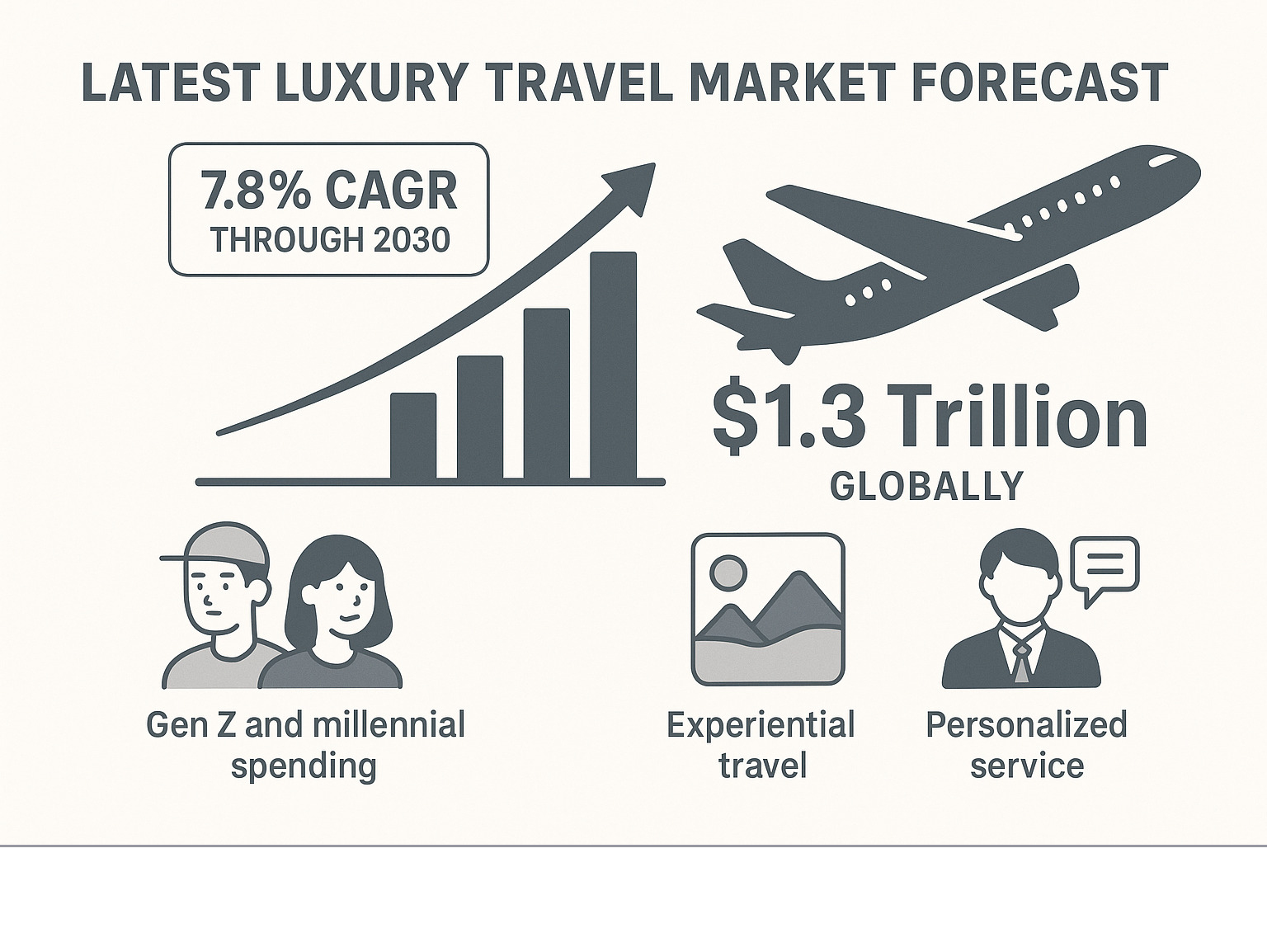
Learning how to become a luxury travel advisor starts with understanding a simple truth: this industry is experiencing unprecedented growth. The luxury travel market is projected to grow at 7.8% annually through 2030, driven by Gen Z and millennials who view vacations as essential stress relief rather than optional splurges.
Quick Answer: How to Become a Luxury Travel Advisor
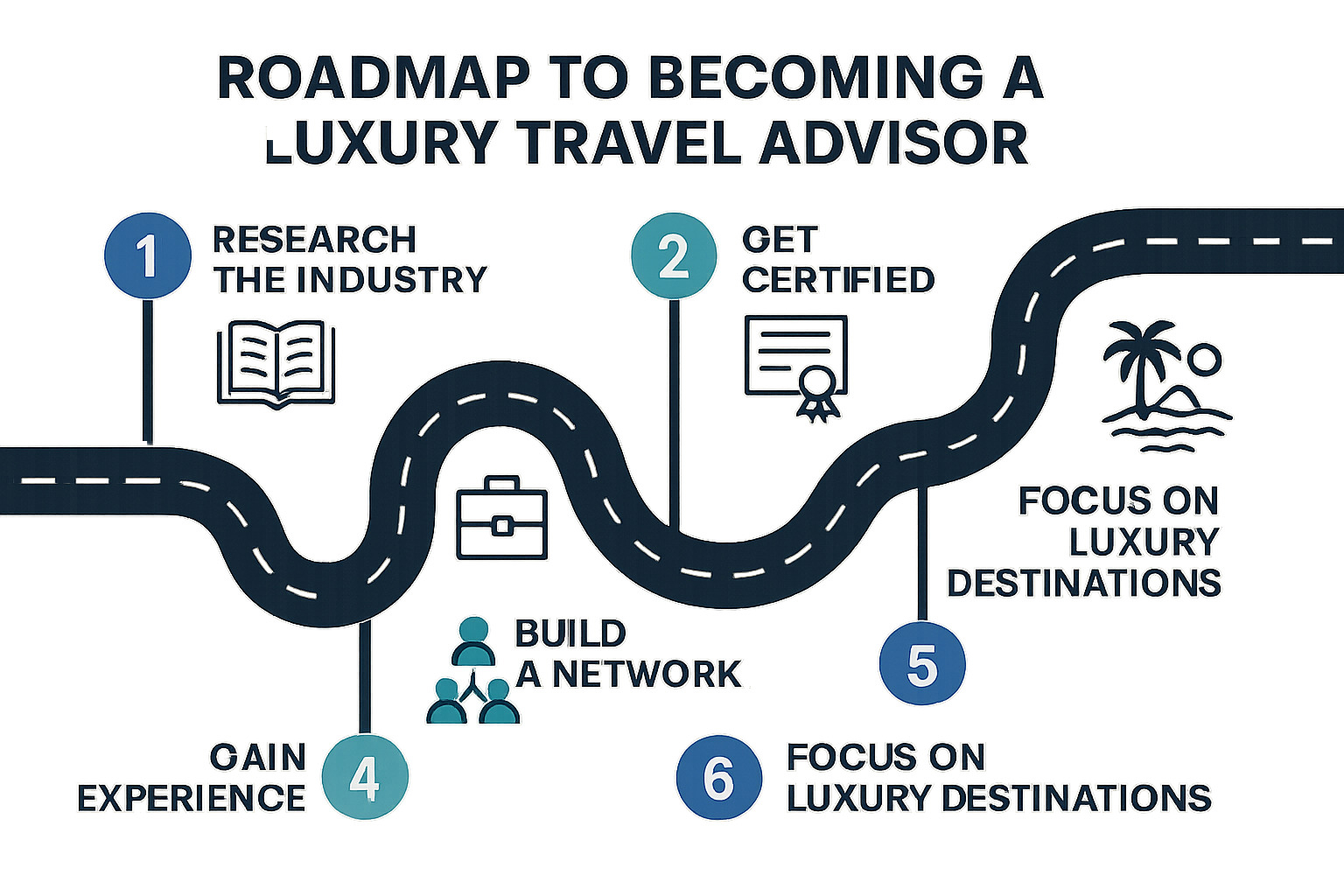
- Get industry experience – Start with entry-level travel roles or internships
- Choose your niche – Specialize in safaris, wellness retreats, or private jets
- Partner with a host agency – Access supplier relationships and back-office support
- Earn certifications – Complete CLIA courses and luxury specialist training
- Build your brand – Set up your business legally and create marketing materials
- Launch and iterate – Start with referrals and continuously improve your services
Timeline: 4-6 years on average, though some accelerate faster
The appeal is obvious. Luxury travel advisors earn higher commissions than regular agents, work remotely, and enjoy exclusive perks like complimentary stays at five-star properties.
As Chris Austin from Explora notes: “Knowledge is key in the luxury market. As a luxury travel advisor, you need to be prepared to understand your clients’ needs, wants and passion points.”
This career combines passion for travel with unlimited earning potential. You’re not just booking trips – you’re curating life-changing experiences for affluent clients who value expertise over price.
Luxury Travel Advisor 101: Role, Responsibilities, Income & Perks
Picture this: instead of booking a standard hotel room, you’re securing a penthouse suite with champagne waiting on arrival. Rather than suggesting generic restaurant recommendations, you’re arranging a private dinner with a Michelin-starred chef. This is luxury travel advising – and it’s completely different from regular travel planning.
Learning how to become a luxury travel advisor means stepping into a role where you craft bespoke itineraries worth tens of thousands of dollars. Your clients don’t want cookie-cutter vacations. They want experiences money typically can’t buy, delivered with white-glove service that makes them feel like VIP guests everywhere they go.
Your success revolves around three essential pillars: expertise, exclusivity, and emergency support. You become the master curator who designs ultra-personalized experiences, secures VIP access to private events, and provides 24/7 support when unexpected challenges arise.
The financial rewards reflect this level of responsibility. Luxury advisors earn significantly more than standard agents through higher commission rates plus service fees. Many charge upfront planning fees ranging from $500 to $5,000 per trip, plus commissions of 10-15% on bookings.
But the perks extend far beyond the paycheck. You’ll enjoy complimentary stays at luxury properties, exclusive fam trips to incredible destinations, and remote work freedom means you can run your business from anywhere with WiFi.
| Luxury Travel Advisor | Regular Travel Agent |
|---|---|
| Bespoke itinerary design | Package booking focus |
| 24/7 emergency support | Business hours availability |
| VIP supplier relationships | Standard booking platforms |
| $500-$5,000 planning fees | Commission-only earnings |
| Exclusive FAM trips | Limited travel perks |
| High-touch personal service | Transaction-based interactions |
What differentiates a luxury travel advisor from a regular travel agent?
The differences are like comparing a personal stylist to a department store clerk. Regular travel agents often focus on finding the best price and standard packages. As a luxury advisor, you focus on delivering exceptional value through complete customization.
High-touch service defines everything you do. Where a regular agent might book a hotel room, you secure suite upgrades, arrange welcome amenities, and ensure your client receives VIP treatment from check-in to departure.
Your expertise extends far beyond online booking platforms. You maintain personal relationships with hotel general managers, restaurant owners, and local guides. When a client wants a private tour of the Vatican or last-minute dinner reservations at an impossible-to-book restaurant, your connections make it happen.
Daily tasks & responsibilities
Client consultation calls consume significant time and energy. You’ll conduct detailed conversations to understand travel preferences, budget parameters, and dream experiences.
Supplier negotiations happen constantly throughout your day. You’re securing room upgrades, spa credits, early check-in privileges, and exclusive experiences.
Itinerary curation requires both artistic flair and logistical precision. You’ll research restaurants, coordinate private transfers, and ensure every detail aligns perfectly with client preferences.
Problem-solving becomes your superpower. When hotels overbook or weather disrupts travel plans, you spring into action immediately. Your clients trust you to handle whatever comes up, allowing them to relax and enjoy their experiences.
The Skillset & Credentials You Need
The journey of how to become a luxury travel advisor requires mastering both technical expertise and the art of human connection. Think of it as becoming part travel expert, part therapist, and part miracle worker – all rolled into one.
Sales mastery forms the foundation, but this isn’t about pushy tactics. You’re painting dreams and turning “maybe someday” into “book it now.” Your storytelling ability transforms mundane details into magical experiences.
Cultural intelligence becomes your secret weapon when crafting international trips. Understanding that tipping practices vary wildly between countries, or knowing which hand gestures might offend in certain cultures, protects your clients from awkward moments.
The luxury travel world thrives on relationships, making networking skills absolutely essential. Your connection with a hotel general manager might secure that impossible-to-get suite upgrade.
Attention to detail separates good advisors from great ones. Luxury clients notice everything – from correctly spelled names on reservations to remembering their anniversary is coming up.
Perhaps most importantly, adaptability keeps you thriving when things go sideways. Flight delays, hotel overbookings, and sudden weather changes happen. Your ability to pivot quickly and find creative solutions often determines whether a client’s trip becomes a disaster or just an trip story.
Formal education & certifications that matter
Here’s the good news: you don’t need a fancy degree to succeed as a luxury travel advisor. Many top advisors started in completely different careers – from teaching to law to corporate management.
That said, a hospitality degree certainly doesn’t hurt. It provides solid foundation knowledge about customer service, business operations, and industry dynamics. But passion, dedication, and the right training often matter more than your college transcript.
The Certified Travel Associate (CTA) credential from The Travel Institute carries real weight in the industry. This certification demonstrates you understand travel fundamentals, geography, and professional business practices.
For targeted luxury training, the Luxury Specialist Course offers incredible value at just $89. This comprehensive program covers luxury traveler psychology, advanced product knowledge, sophisticated sales strategies, and effective marketing techniques.
CLIA certification becomes crucial if you plan to sell cruise experiences. Many luxury advisors build thriving businesses around high-end cruise vacations.
Destination specialist certifications showcase your expertise in specific regions. Tourist boards for destinations like Italy, Japan, and Australia offer detailed training programs that boost both your knowledge and credibility.
The latest market forecast shows continued growth in luxury travel demand, making now an excellent time to invest in proper credentials and training.
Soft skills that wow affluent clients
Emotional intelligence tops the list of crucial soft skills. Luxury travelers often have strong personalities and sky-high expectations. Your ability to read the room, manage delicate situations, and stay calm under pressure can make or break relationships worth thousands in annual bookings.
Proactive communication transforms good service into exceptional experiences. Instead of waiting for clients to ask about weather conditions or restaurant availability, you anticipate their needs.
Negotiation finesse helps you secure amazing perks and upgrades for clients. This isn’t about being aggressive – it’s about understanding that hotels want happy guests, and you help make that happen.
When travel plans inevitably go wrong, your crisis management skills become invaluable. Your ability to think quickly, mobilize resources, and turn problems into opportunities often saves vacations and creates clients for life.
How to Become a Luxury Travel Advisor: Step-by-Step Blueprint
The path to how to become a luxury travel advisor isn’t mysterious – it’s methodical. Think of it as building a luxury hotel: you need solid foundations, quality materials, and careful attention to every detail.
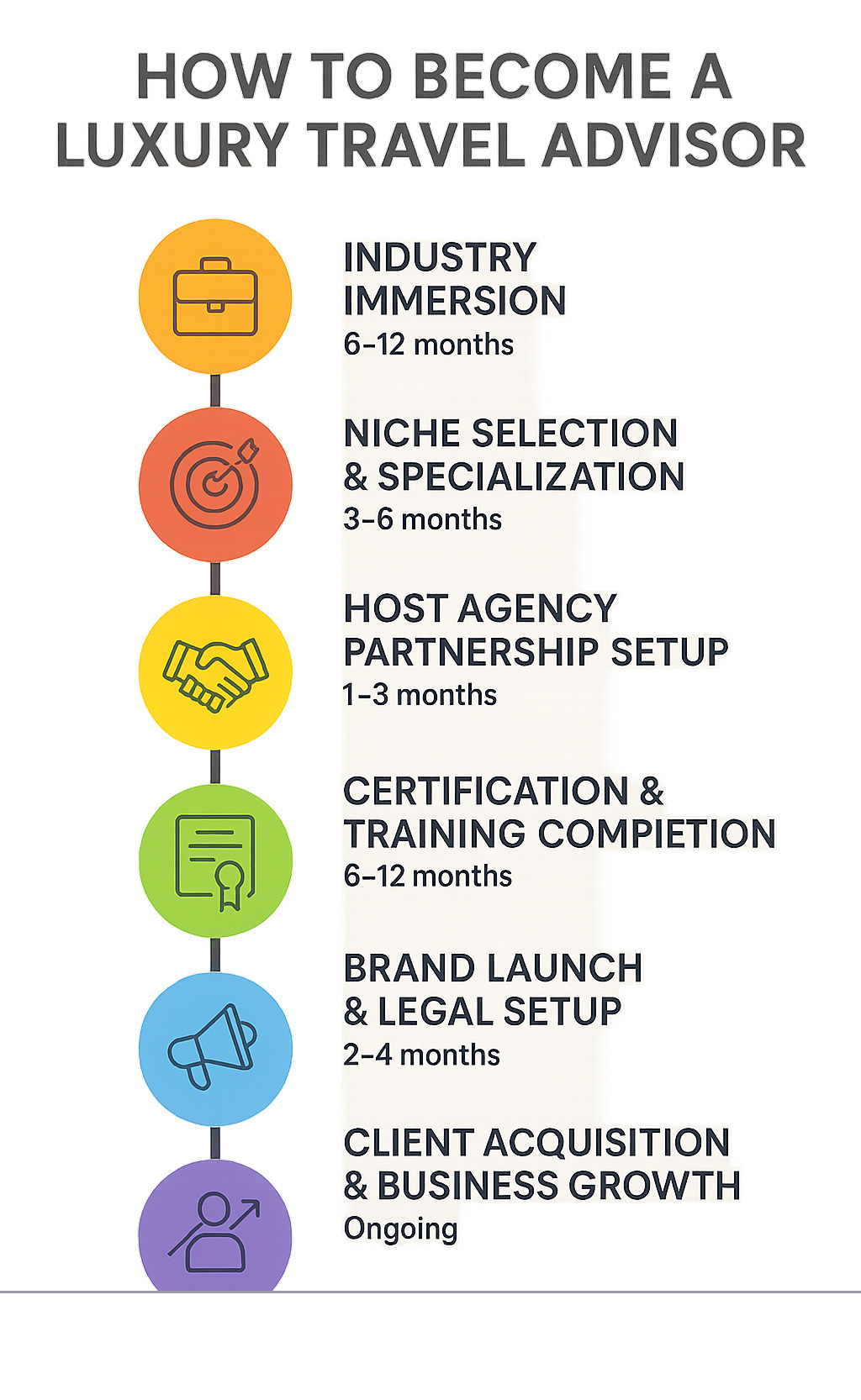
Most successful advisors follow a similar journey that takes 4-6 years to fully develop. Some move faster with intensive effort and smart positioning, while others take longer to build their ideal practice. The key is treating this as a serious business venture from day one.
Step 1: Immerse in the industry
Before you can advise others on luxury travel, you need to understand how the travel world actually works. This means getting your hands dirty with real industry experience.
Entry-level positions become your classroom. Consider working for airlines, hotels, cruise lines, or established travel agencies – even part-time roles provide invaluable exposure. You’ll learn booking systems, understand customer service expectations, and pick up industry terminology.
Internships can fast-track your learning if you’re switching careers. Many luxury hotels and destination management companies offer these programs.
Familiarization trips open up once you establish industry credentials. These educational trips let you experience destinations firsthand, which transforms your client consultations from reading brochures to sharing personal insights.
Step 2: Choose and refine your luxury niche
Here’s where many new advisors go wrong – they try to be everything to everyone. Luxury clients want specialists who understand their specific passions, not generalists who know a little about everything.
Safari specialists command premium fees because they truly understand African destinations. They know which lodges offer the best wildlife viewing, understand seasonal migration patterns, and maintain relationships with top guides.
Wellness retreat experts tap into the growing demand for transformative travel. They understand different spa treatments, meditation practices, and holistic health approaches.
Private yacht and aviation specialists serve ultra-wealthy clients who value privacy and flexibility above all else. This niche requires understanding complex charter regulations and crew management, but the commissions reflect the complexity.
For those interested in emerging trends, explore sustainable luxury travel – many affluent travelers now prioritize environmental responsibility alongside luxury.
Step 3: Partner with the right host agency
This decision can make or break your career as a luxury travel advisor. The right host agency provides supplier relationships, back-office support, and mentorship that would take you years to develop alone.
Consortium access represents the biggest value. Top host agencies partner with luxury consortiums that provide exclusive amenities, preferred rates, and direct supplier contacts.
Back-office support handles commission processing, legal compliance, and administrative tasks. This frees you to focus on serving clients and growing your business.
Training programs from quality host agencies accelerate your learning curve dramatically. Look for ongoing education, supplier training, and mentorship opportunities.
Step 4: Secure credentials & continuous training
Professional credibility in luxury travel requires ongoing education. Your clients expect you to maintain current knowledge and meet industry standards.
CLIA courses provide essential cruise industry knowledge, even if cruising isn’t your main focus. Continuing Education Units maintain your professional certifications and demonstrate your commitment to excellence.
Supplier training programs offer product-specific knowledge and often include FAM trip opportunities. Industry webinars keep you current on trends, regulations, and best practices.
Step 5: Launch your brand & legal setup
Your professional presentation matters enormously in luxury travel. Every detail – from your business cards to your email signature – reflects your competency and attention to detail.
LLC formation provides liability protection and tax advantages for most advisors. Errors & Omissions insurance protects against professional liability claims.
Business banking separates your personal and professional finances. CRM system selection streamlines client management and communication.
Professional website development establishes your credible online presence. Include high-quality destination photography, detailed service descriptions, and client testimonials.

Brand identity creation encompasses everything from your logo to your color scheme and messaging consistency. Professional branding materials demonstrate your attention to detail and commitment to excellence – qualities luxury clients expect from their advisors.
Marketing, Networking & Future Trends in Luxury Travel
Building a successful luxury travel advisory business requires a completely different marketing approach than traditional travel services. You’re not competing on price – you’re showcasing expertise, exclusivity, and the kind of results that create lifelong memories.
Referrals remain the golden ticket for luxury travel advisors. When Mrs. Patterson raves about her incredible African safari to her book club, that carries infinitely more weight than any paid advertisement.
Social proof builds the credibility that luxury clients demand. Document those magical moments when you secured impossible restaurant reservations or arranged private museum tours.
Your expertise needs to shine through thoughtful content creation. Write detailed destination guides that showcase insider knowledge. Share travel tips that only industry professionals would know.
Strategic partnerships multiply your reach without competing for attention. Build genuine relationships with luxury real estate agents, wealth managers, and high-end event planners.
For additional insights into modern travel planning strategies, check out our ultimate resource guide that covers essential tools for today’s travelers.

Building a high-net-worth client base
Attracting wealthy clients requires patience, strategy, and authentic relationship building. You can’t simply advertise your way into this exclusive market – you need to position yourself where affluent travelers naturally gather.
Alumni networks from prestigious universities provide some of the strongest connections to high-net-worth individuals. Philanthropic circles attract genuinely wealthy individuals who are committed to making a difference.
Professional associations for doctors, lawyers, executives, and entrepreneurs offer structured networking opportunities. The key is showing up consistently and providing value before asking for anything in return.
Luxury service providers often become your best referral sources. That high-end real estate agent who just helped someone buy a $2 million vacation home? They know exactly who needs a luxury travel advisor.
Pricing, earnings & financial models
Understanding how to become a luxury travel advisor means grasping that your income potential far exceeds traditional travel agents. You’re not just earning commissions – you’re building multiple revenue streams.
Commission structures in luxury travel typically range from 10-16%, compared to 7-10% for standard bookings. Service fees represent the game-changing difference between struggling and thriving as a luxury advisor. Many successful advisors charge $150-500 per hour for consultation and planning services.
Retainer arrangements provide steady income. Some advisors offer annual packages for frequent travelers, providing priority service, exclusive benefits, and guaranteed availability.
Most successful luxury travel advisors earn $75,000-200,000 annually once established, with top performers exceeding $500,000. However, reaching these levels requires several years of consistent effort, strategic positioning, and excellent client service.
Staying ahead of trends & innovation
The luxury travel landscape shifts constantly, driven by changing client values, technological advances, and global events.
Sustainable luxury travel has moved from niche interest to mainstream expectation among environmentally conscious wealthy travelers. This trend aligns perfectly with growing awareness about travel’s environmental impact. Smart advisors are learning about sustainable luxury travel trends.
Wellness integration continues expanding far beyond traditional spa treatments. Today’s luxury travelers want comprehensive wellness experiences woven throughout their itineraries.
Technology personalization enables more sophisticated client service through AI-powered recommendations and automated communication systems. Private aviation growth accelerates as wealthy travelers prioritize privacy, flexibility, and safety.
Experiential focus continues shifting luxury travel from material amenities toward unique, unrepeatable experiences. Clients want exclusive access to private events, authentic cultural interactions, and personalized trips that money alone can’t typically buy.
Frequently Asked Questions about How to Become a Luxury Travel Advisor
How long does it take to become a luxury travel advisor?
Most successful luxury travel advisors spend 4-6 years building thriving practices, though some determined individuals accelerate faster with smart strategies and relentless effort.
The first two years focus on foundation building. You’ll gain industry experience, complete basic certifications like CTA and CLIA, partner with a host agency, and begin networking. This phase feels like drinking from a fire hose – there’s so much to learn about destinations, suppliers, and client service standards.
Years three and four bring specialization development. You’ll dive deep into your chosen niche, build meaningful supplier relationships and establish your initial client base through referrals. Your service offerings become more refined, and you gain confidence in your pricing structure.
Years five and six mark business maturation. You achieve consistent revenue, expand your market reach, and potentially develop passive income streams. Industry peers begin recognizing your expertise.
Some advisors compress this timeline through intensive effort – completing multiple certifications quickly, networking aggressively, or partnering with established advisors who provide mentorship and client introductions.
Do I need to be well-traveled before starting?
While extensive personal travel helps enormously, it’s not absolutely required to become a luxury travel advisor. Passion for travel, genuine curiosity about destinations, and exceptional client service skills often matter more than passport stamps.
Personal travel experience certainly provides advantages. You’ll have authentic stories to share with clients, understand the logistics of complex itineraries, and speak with confidence about destinations you’ve visited.
But don’t let limited travel experience stop you from pursuing this career. Many successful advisors started with modest travel backgrounds and built expertise through strategic learning. Supplier FAM trips become your education vehicle.
Focus on what you can control rather than worrying about travel gaps. Study destinations intensively through supplier training programs, destination specialist courses, and industry resources.
Your passion for helping clients create memorable experiences matters more than your personal travel resume. Clients appreciate advisors who listen carefully, research thoroughly, and deliver exceptional service – regardless of how many countries you’ve visited personally.
What challenges do new luxury advisors face?
Starting as a luxury travel advisor presents unique challenges that differ significantly from other service businesses.
Managing sky-high client expectations tops the challenge list. Luxury travelers don’t just want good service – they expect perfection. A single mistake can damage your reputation permanently.
Cash flow gaps create real stress during your early years. Suppliers typically pay commissions 30-90 days after clients complete their travel, while your expenses happen immediately.
Information overwhelm paralyzes many new advisors. The luxury travel industry offers endless destinations, countless suppliers, and infinite options. Focus on your chosen niche rather than attempting to master the entire industry.
Building supplier relationships requires patience and persistence. Established advisors enjoy preferential treatment because they’ve proven their value over years.
Pricing confidence challenges many new advisors who undervalue their expertise. However, luxury clients actually expect premium pricing – low fees signal low quality in their minds.
The good news? Every challenge becomes manageable with experience, preparation, and realistic expectations.
Conclusion
The journey to becoming a luxury travel advisor opens doors to a career that perfectly blends passion with profit. This isn’t just another job – it’s a lifestyle business that offers the freedom to work from anywhere while helping affluent clients create extraordinary memories.
The numbers tell an exciting story. With the luxury travel market growing at 7.8% annually through 2030, you’re entering an industry at the perfect moment. Gen Z and millennial travelers are reshaping luxury travel, viewing exceptional experiences as essential investments rather than optional splurges.
Success demands more than wanderlust. You’ll need to develop sharp business skills, nurture valuable relationships, and master your chosen specialty. The typical 4-6 year timeline to build a thriving practice requires genuine commitment, but the rewards – both financial and personal – make every effort worthwhile.
Your earning potential is truly unlimited. Top luxury advisors regularly earn six figures or more, working with clients who value expertise over price. You’ll enjoy exclusive perks like complimentary luxury stays, VIP access to events, and educational trips to the world’s most desirable destinations.
The change starts with a decision. Whether you’re seeking a complete career change, supplemental income, or location independence, luxury travel advising provides a clear path forward.
At Soaring in Style, we’re passionate about travel that makes a positive difference. As you build your luxury travel advisory practice, consider weaving sustainable and responsible travel principles into your services. Today’s conscious travelers increasingly seek advisors who understand both luxury and environmental responsibility.
The luxury travel world is waiting for your unique expertise and perspective. Your ideal clients are ready to invest in unforgettable experiences – the question is whether you’re ready to help them find what’s possible.
For deeper insights into creating exceptional travel experiences, explore our comprehensive guide to exploring the world with elegance.
Your journey in luxury travel advising begins today. The path is clear, the opportunities are abundant, and your success story is waiting to be written.