

Opening the World Through Cultural Immersion
Cultural experiences are interactions with the customs, traditions, practices, and creative aspects of a culture different from your own. These range from watching performances to participating in workshops to engaging with local communities.
For luxury travelers seeking authentic connections:
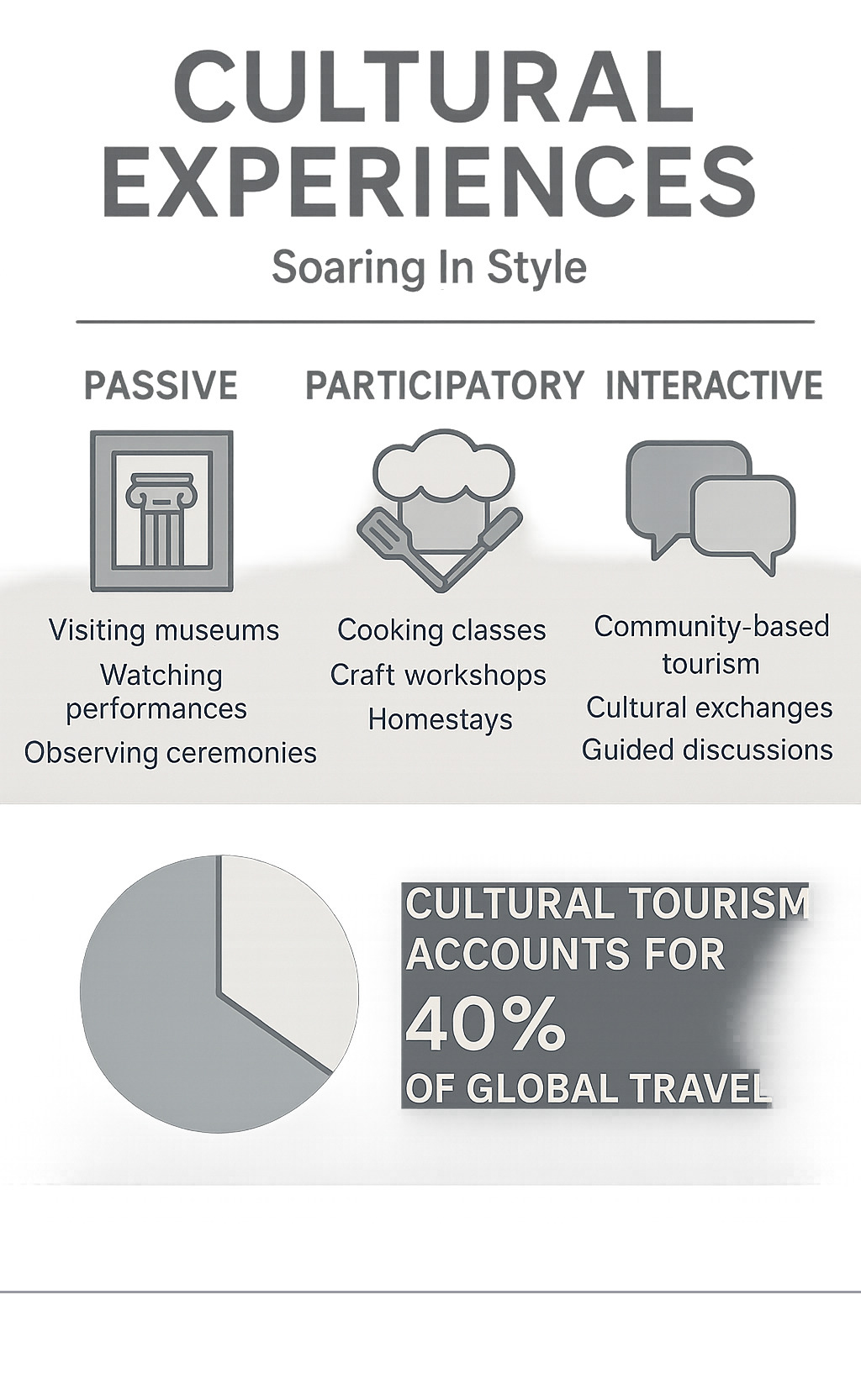
- Passive experiences: Visiting museums, watching performances, observing ceremonies
- Participatory experiences: Cooking classes, craft workshops, homestays, festival participation
- Interactive experiences: Community-based tourism, cultural exchanges, guided discussions
Cultural tourism accounts for 40% of global tourism according to the United Nations World Tourism Organization, with over 80% of travelers citing local culture as a key factor in their travel decisions.
“One of the best parts about traveling is finding new cultures and ways of living.” — Cultural travel enthusiast
Cultural experiences offer far more than typical sightseeing. They create memorable stories through genuine human connections — whether that’s sharing a meal in a Peruvian homestay, listening to fado music in Portugal, or participating in conservation efforts at a desert rhino camp in Namibia.
The most meaningful luxury travel doesn’t just show you iconic landmarks; it invites you to participate in the living heritage of a place through its art, food, music, and daily rituals. These experiences foster deeper understanding and appreciation while supporting local communities in sustainable ways.
Cultural experiences further reading:
What Are Cultural Experiences?
Have you ever tried your hand at traditional batik painting in Indonesia, or shared a meal with a Berber family in Morocco’s Atlas Mountains? These moments represent the heart of cultural experiences – those meaningful encounters with the customs, traditions, and creative expressions that make each community unique.
UNESCO has recognized over 600 intangible cultural heritage practices worldwide – from Chinese shadow puppetry to Croatian gingerbread crafting – highlighting just how rich and diverse human expression truly is.
Cultural experiences come in countless forms. They might involve learning the rhythmic steps of flamenco in Spain, participating in a traditional tea ceremony in Japan, cooking aromatic curries alongside a family in Kerala, or joining the vibrant celebrations of Carnival in Brazil. They could mean exploring ancient temples with a local historian, apprenticing with a master weaver in Guatemala, or spending nights in a homestay where daily life unfolds around you.
At Soaring in Style, we believe true cultural immersion goes beyond being a passive observer. The most rewarding experiences involve genuine participation and exchange – creating connections that benefit both travelers and hosts alike.
Our research reveals that cultural experiences typically fall into three distinct categories:
- Passive experiences – where you observe without direct participation, like visiting museums or watching traditional performances
- Participatory experiences – where you actively engage, such as joining cooking classes or learning traditional crafts
- Interactive experiences – where meaningful dialogue happens, like community-based tourism or cultural exchange programs
For a deeper dive into cross-cultural connections, explore our comprehensive guide on Cross-Cultural Experience.
Why Are Cultural Experiences Important for Travelers?
Did you know that travelers who engage in cultural experiences report up to 20% higher satisfaction with their trips? It’s true – recent tourism studies confirm that cultural immersion creates significantly more fulfilling journeys than those focused solely on sightseeing.
But the benefits extend far beyond simple enjoyment. Cultural experiences provide context and depth, changing superficial tourist encounters into meaningful explorations. They create authentic connections with local people – often becoming the stories you’ll tell for years to come. By participating in cultural activities, you directly support local economies and help preserve cherished traditions that might otherwise fade away.
Perhaps most importantly, these experiences foster personal growth by gently challenging your assumptions and broadening your perspectives. It’s no surprise that over half of millennial travelers now prefer spending money on experiences, including cultural activities, rather than material souvenirs – reflecting a growing desire for meaningful engagement rather than passive consumption.
How Cultural Experiences Foster Personal Growth and Global Understanding
When we step outside our comfort zones and immerse ourselves in different cultures, something remarkable happens. We gain not just new experiences but a deeper understanding of ourselves and our place in the world.
Cultural experiences challenge our assumptions in the most beautiful way. That moment when you realize your “normal” is just one possibility among many can be truly transformative. Direct interactions with people from different backgrounds naturally cultivate empathy and compassion – qualities our world desperately needs.
Navigating unfamiliar cultural contexts builds remarkable adaptability and problem-solving skills. Even small challenges like ordering food in a new language or figuring out local transportation systems strengthen your capacity to handle the unexpected.
Cultural immersion also sparks a lifelong love of learning. Once you’ve experienced the joy of finding different perspectives, that curiosity often becomes a permanent part of who you are. With each new cultural exchange, you move closer to becoming a global citizen – someone who feels a sense of responsibility and connection to our shared world.
As one traveler beautifully described after participating in a homestay in Iraq: “This experience was life-changing. The hospitality chain reaction led me from city to city, staying with new friends each night, completely changing my understanding of a place I’d only heard negative things about.”
Types of Cultural Experiences & How to Find Them
The world is bursting with cultural experiences waiting to be finded, and finding the right ones can transform an ordinary trip into a journey you’ll remember forever. Whether you prefer to observe from a distance or dive head-first into local traditions, there’s something for every traveler’s comfort level.
| Type | Level of Engagement | Examples | Best For |
|---|---|---|---|
| Passive | Observing, watching, listening | Museum visits, performances, guided tours | First-time visitors, those seeking historical context |
| Participatory | Hands-on involvement, learning by doing | Cooking classes, craft workshops, dance lessons | Active learners, creative travelers |
| Interactive | Two-way exchange, dialogue, relationship-building | Homestays, community-based tourism, cultural discussions | Deep cultural immersion, relationship-focused travelers |
I’ve found that the most authentic experiences rarely show up in mainstream guidebooks. Instead of heading straight to the tourist information center, try wandering into neighborhood hangouts where locals actually spend their time. Start your mornings at the corner café where residents grab their coffee, or visit markets where families do their weekly shopping.
Before diving deep, I always recommend visiting cultural centers and museums first. They provide valuable context that makes later experiences more meaningful. It’s like reading the introduction before jumping into chapter five of a novel—suddenly everything makes more sense!
Social media can be surprisingly helpful too. Local event pages on Facebook or city-specific hashtags on Instagram often reveal gatherings that tourists never hear about. And whenever possible, book directly through community cooperatives rather than international booking sites—this ensures your money supports the people creating these experiences.
For more inspiration on finding genuine cultural connections, check out our guide on Authentic Cultural Travel Experiences.
Arts, Music & Performance
The arts offer a powerful window into a culture’s soul, revealing values, history, and emotional landscapes that might otherwise remain hidden to visitors.
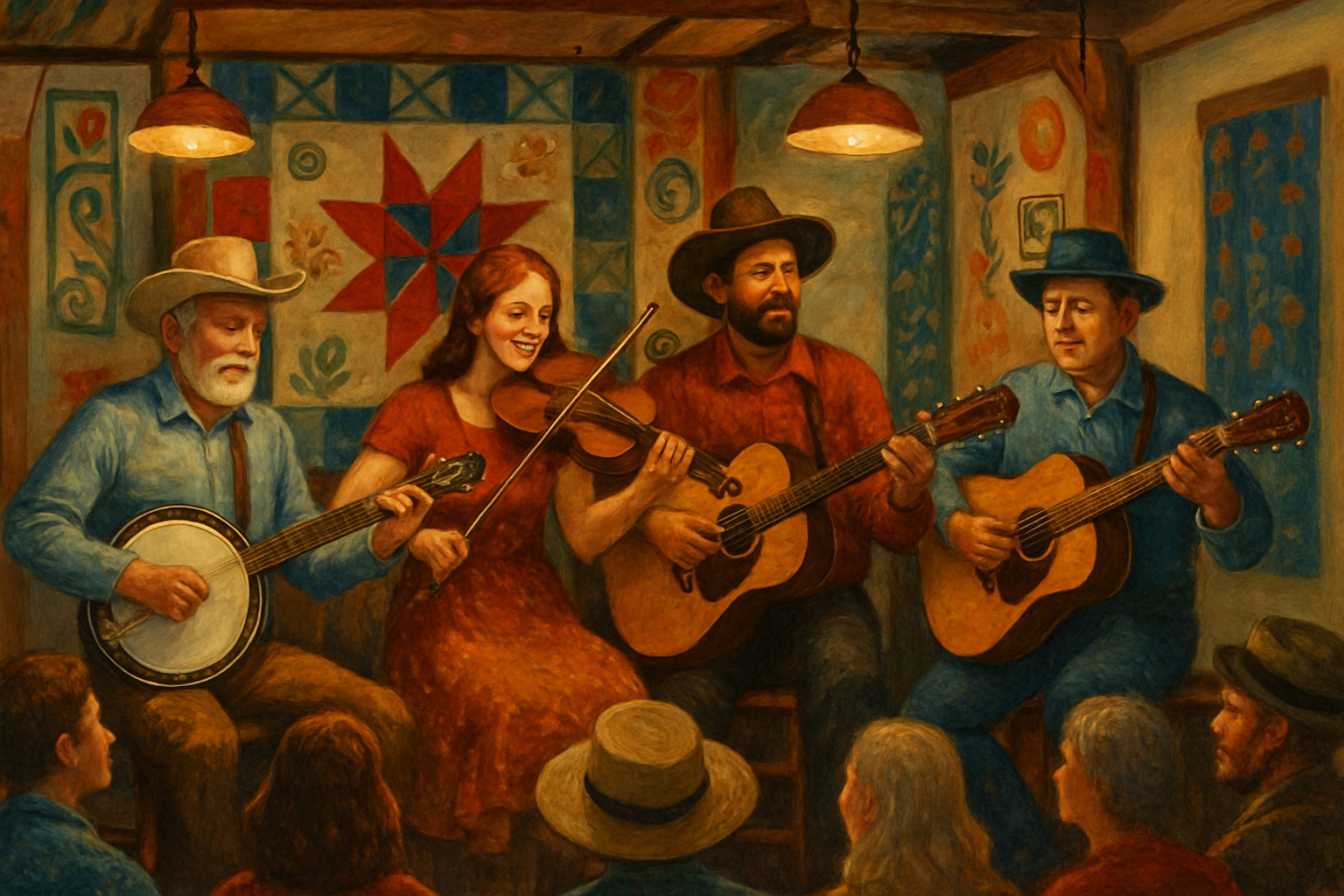
Some of my most transformative cultural experiences have come through music and performance. In Madrid, I learned that the best flamenco isn’t found in the tourist shows but in small peñas where locals gather for spontaneous performances filled with duende—that untranslatable quality of soul and authenticity. The difference is like night and day.
In Suzhou, China, I was mesmerized by Kunqu Opera at the Fuxi Tea House. This 600-year-old art form (recognized by UNESCO) combines singing, dancing, and elaborate costumes to tell ancient stories. What made it special wasn’t just the performance but watching elderly locals nod along, clearly following nuances I couldn’t yet understand.
The Māori haka in New Zealand left me with goosebumps—not the tourist version, but a genuine ceremony where the powerful movements and chants communicated tribal stories with an intensity I’ll never forget. And in Berlin, I finded how techno music became much more than entertainment—it evolved into a form of cultural and political expression, especially in venues like Berghain housed in a former power plant.
These experiences matter because they’re authentic expressions rather than performances staged solely for tourists. They connect you to local communities and living traditions that continue to evolve and breathe.
Culinary & Agritourism Trips
Food might be the most accessible gateway to understanding a culture. After all, we all have to eat, and sharing a meal breaks down barriers faster than almost anything else.
My most meaningful culinary cultural experiences have gone beyond restaurant hopping. In Thailand, I joined a cooking class where our instructor first led us through a local market, explaining ingredients I’d never seen before. By the time we prepared our Pad Thai from scratch, I’d absorbed more about Thai values, history, and family life than any guidebook could convey.
In Luang Prabang, Laos, I spent a day knee-deep in mud at a rice farm, learning the traditional planting methods alongside a family who had worked the same land for generations. Working with water buffalo and simple tools gave me a profound appreciation for the labor behind every grain of rice in my bowl.
Coffee lovers shouldn’t miss the small organic farms around Jardín, Colombia. Walking the steep hillsides with farmers who explained their sustainable growing practices completely changed my relationship with my morning cup. And in Italy, staying at an agriturismo allowed me to participate in grape harvests and olive picking before enjoying those same ingredients in family-style dinners.
These hands-on experiences create deeper connections than merely consuming local cuisine. As one fellow traveler told me after a cooking class: “I thought I was just learning a recipe, but I ended up learning a way of life.”
For more on culinary cultural immersion, our guide on Immersing in Culture offers additional inspiration.
Festivals & Rituals
Festivals and rituals are like cultural time capsules—concentrated moments where traditions, beliefs, and community values shine brightest.
The Day of the Dead in Oaxaca, Mexico completely changed my understanding of how cultures approach death. Far from somber, I found families creating colorful ofrendas (altars), sharing stories about departed loved ones, and holding cemetery picnics that felt more celebratory than mournful. This UNESCO-recognized tradition taught me that grief and joy aren’t mutually exclusive.
In Nagaland, India, the Hornbill Festival brings together 16 distinct tribes for what locals call the “Festival of Festivals.” I watched in awe as each group proudly showcased their unique dances, games, foods, and crafts—a powerful reminder that even within one region, cultural diversity can be astounding.
Smaller celebrations often provide the most authentic connections. During Masopust in rural Czechia, I joined a village procession wearing a borrowed mask, following traditions that have evolved over centuries. The locals welcomed me not as a tourist but as a temporary participant in their cultural heritage.
What makes these festivals special is their genuine connection to community identity. They weren’t created for tourism but continue because they matter deeply to the people who celebrate them. Many combine ancient traditions with contemporary expressions, showing how culture evolves while maintaining its core values.
For more on finding cultural festivals worldwide, visit our guide on Immersive Journeys: Finding Cultures Around the World.
Nature-Linked Traditions & Homestays
Some of the most profound cultural experiences connect visitors to traditional ways of living in harmony with specific landscapes.
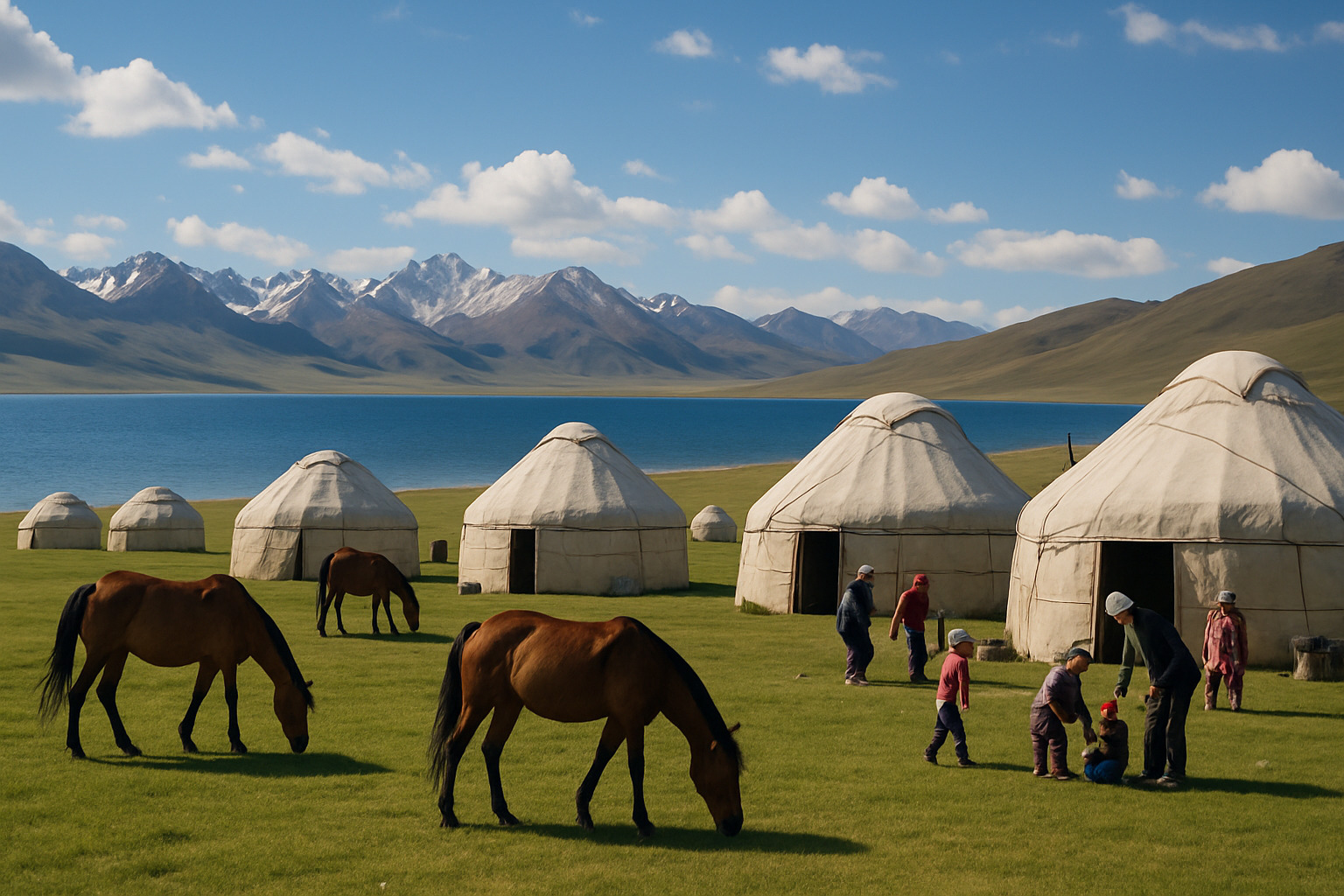
Staying in a traditional yurt with a nomadic family at Kyrgyzstan’s Song Kol Lake (3,016 m elevation) wasn’t glamping—it was living in a fully functional family home. I helped milk mares for kumis (fermented mare’s milk), learned to set up and dismantle the portable dwelling, and experienced how these communities have adapted to harsh mountain environments for centuries.
In Finland’s Arctic region, I spent several days with Sami reindeer herders during their seasonal migration. Learning to throw a lasso, sleeping in a traditional lavvu tent, and understanding their deep connection to the reindeer taught me how Indigenous knowledge remains vital in our modern world.
Even in places known for luxury tourism, meaningful cultural connections exist. In Dubai, responsible desert experiences offer insights into Bedouin traditions through sustainable safari experiences featuring falconry demonstrations, Arabic coffee rituals, and traditional Yola dancing—all while respecting the fragile desert ecosystem.
For those seeking a blend of spiritual and cultural immersion, walking portions of the Camino de Santiago in Spain connects you with centuries of pilgrimage traditions. Staying in rural villages and ancient monasteries along the way provides glimpses into rural life that most tourists never see.
Volunteering can also create profound connections. Through programs that exchange labor for accommodation on organic farms, I’ve lived with families from Portugal to New Zealand, learning sustainable agricultural practices while becoming a temporary part of their community.
These experiences offer deeper immersion because they involve staying with communities and participating in daily life rather than brief tourist encounters. As one traveler told me after a homestay experience: “I arrived as a guest but left feeling like family.”
Responsible & Respectful Cultural Engagement
Engaging with other cultures is a privilege that comes with responsibilities. At Soaring in Style, we believe that cultural experiences should benefit local communities while preserving their traditions and environments.
Principles for responsible cultural engagement include:
- Prioritize locally-owned businesses to ensure economic benefits stay within communities
- Practice slow travel by spending more time in fewer places, allowing for deeper connections
- Research and respect local customs regarding dress, behavior, and photography
- Consider the ethics of geotagging sensitive cultural sites that may be vulnerable to overtourism
- Apply cultural relativism by approaching other cultures without judgment
- Seek permission before photographing people or participating in ceremonies
- Pay fair prices without excessive bargaining that devalues cultural labor
Recent research on geotagging impacts highlights how social media location sharing can lead to overtourism in culturally sensitive areas. Similarly, understanding cultural relativism helps travelers avoid imposing their own cultural standards on others.
As one ethical traveler shared: “I visited the Hilltribe Museum in Chang Rai instead of touring a Padaung village, learning about their culture while avoiding the ‘human zoo’ aspect of some village tours.”
Sustainable Choices to Combat Overtourism
Overtourism—when too many travelers overwhelm a destination—can damage both cultural heritage and local quality of life. Venice, for example, receives 20-30 million tourists annually despite having a land area smaller than twice the size of New York’s Central Park.
Sustainable approaches to cultural experiences include:
- Travel during shoulder or off-seasons when possible
- Visit under-touristed destinations that offer similar cultural value
- Support agritourism initiatives that preserve rural heritage while providing income diversification
- Choose small group experiences (under 14 people) for more meaningful interactions
- Respect visitor caps and reservation systems implemented by communities
- Participate in community-led tourism initiatives designed to manage visitor impact
- Stay longer in fewer places to reduce transportation emissions and deepen cultural engagement
In Italy, over 20,000 farms offer agritourism experiences that help preserve rural traditions while providing sustainable income. These initiatives represent a win-win approach where visitors gain authentic cultural experiences while communities maintain control over tourism development.
Cultural Etiquette & Preparation
Preparation improves both respect and enjoyment when engaging with different cultures. Research before your journey helps avoid unintentional offense while deepening your appreciation of the experiences.
Key preparation strategies include:
- Learn basic phrases in the local language, especially greetings and expressions of gratitude
- Research appropriate dress codes for religious sites, rural communities, and formal occasions
- Understand gift-giving customs if you’ll be hosted by locals or attending ceremonies
- Read literature from local authors for cultural context and perspectives
- Listen to regional music or podcasts like “Mesa Verde Voices” for indigenous insights
- Research photography norms as some communities have specific beliefs about being photographed
- Use personalized luggage tags to reduce travel stress and improve cultural immersion
One traveler shared: “Before visiting a Buddhist temple in Cambodia, I learned the proper way to present offerings and receive a blessing with a red string bracelet. Understanding the symbolism made the experience profoundly more meaningful.”
Unique Cultural Experiences Around the Globe
The world offers an incredible mix of cultural experiences that can transform your understanding of humanity’s diversity and creativity. Here are some of the most unique and meaningful opportunities for cultural immersion:
-
Tango Lessons in Buenos Aires: Learn Argentina’s passionate dance form before attending a local milonga (dance event) where tourists and porteños dance until dawn.
-
Tea Ceremony in Kyoto: Don a kimono and learn the precise movements and philosophy of chado (the way of tea) from a trained practitioner in a traditional teahouse.
-
Mayan Temazcal Ceremony in Mexico: Participate in a traditional sweat lodge purification ritual led by a shaman, combining herbal medicine with spiritual cleansing.
-
Lobsterfest in Belize: Join coastal communities for this seafood celebration featuring local cooking methods, music, and competitions that showcase regional pride.
-
Aboriginal Smoking Ceremony in Australia: Experience a Welcome to Country ritual where aromatic plants create smoke to cleanse participants spiritually while learning about bush tucker and indigenous connections to land.
-
Spontaneous Homestay in Iraq: Experience the legendary hospitality chain where connections lead to family stays, showing a side of the country rarely seen in media.
What makes these experiences special is their authenticity—they’re integral to local cultural identity rather than performances created primarily for tourists. They offer windows into different worldviews and values while fostering genuine human connection.
Food & Drink That Tell a Story
Culinary cultural experiences offer some of the most accessible and sensory-rich opportunities for understanding different societies and their histories.
-
Cape Malay Cooking Class in Bo-Kaap, Cape Town: Learn to prepare distinctive curries, samoosas, and koeksisters while finding how this cuisine emerged from the fusion of Indonesian, Malaysian, and African influences during the colonial era.
-
Georgian Rtveli Wine Harvest: Join the 8,000-year-old tradition of grape picking and pressing, followed by fermentation in underground qvevri clay vessels—a UNESCO-listed practice that represents one of the world’s oldest winemaking methods.
-
Māori Hāngī Feast in Rotorua: Witness the preparation of this traditional earth-oven cooking method where food is steamed underground using heated rocks, then enjoy a multi-course meal accompanied by cultural performances and storytelling.
-
Hangi & Spa Combo in New Zealand: Experience the unique combination of traditional Māori earth-oven cooking followed by relaxation at thermal hot springs, connecting food traditions with natural landscape features.
-
Home-Cooked Dinner with Locals in Israel: Share a meal with a family in their home, learning family recipes passed through generations while engaging in conversation about daily life and traditions.
These experiences reveal how food preparation and sharing embody cultural values, historical influences, and community bonds. As one traveler noted after a cooking class in Milan: “Making pasta, ragu, and tiramisu with a local family taught me more about Italian culture than a dozen museum visits.”
Music, Dance & Storytelling
Performing arts offer powerful windows into cultural expression, revealing emotional landscapes and historical narratives through movement, sound, and story.
-
Fado in Portugal: Experience this soulful musical tradition in small taverns where singers express “saudade” (profound longing) through haunting melodies that embody Portuguese cultural identity.
-
Samba Schools in Rio: Visit community centers where Brazil’s iconic dance and music form is practiced year-round, not just during Carnival, revealing its importance to neighborhood identity and social cohesion.
-
Joik Singing with Sami People: Listen to one of Europe’s oldest musical traditions, where melodic chants evoke people, animals, or landscapes rather than describing them directly.
-
Flamenco in Madrid: Seek authentic peñas (clubs) where this passionate art form combines dance, guitar, singing, and handclaps in spontaneous expressions of duende (soul).
-
Bassiani Nightclub in Tbilisi, Georgia: Experience how techno music became a form of political resistance and cultural expression in post-Soviet Georgia, where dancing represents freedom and self-determination.
These performances aren’t just entertainment—they’re living cultural archives that preserve history, express community values, and process collective emotions. By experiencing them in authentic contexts, travelers gain insights into how societies express their deepest feelings and stories.
Hands-On Traditions & Crafts
Participating in traditional crafts offers a tangible connection to cultural heritage through the transfer of skills and knowledge that have often been preserved for centuries.
-
Block-Printing Workshop in Jaipur: Learn the centuries-old technique of hand-carving wooden blocks and creating intricate textile patterns using natural dyes, a craft that represents Rajasthan’s artistic heritage.
-
Calligraphy Class in Tokyo: Experience the meditative practice of shodo (the way of writing) where brush, ink, and paper become vehicles for philosophical expression beyond mere letter-forming.
-
Mask-Making in Czechia: Create traditional Masopust carnival masks using techniques passed down through generations, understanding their symbolic meanings and role in seasonal celebrations.
-
Canang Sari Offering Making in Bali: Learn to construct these daily offerings made from banana leaves and flowers that represent Hindu Balinese gratitude to the divine, a practice that connects spirituality with artistic expression.
-
Ikebana Workshop in Japan: Study the principles of this minimalist flower arrangement art form that embodies Japanese aesthetic concepts of harmony, balance, and respect for nature.
These hands-on cultural experiences allow travelers to engage with traditional knowledge systems through direct practice. The physical act of creation fosters a deeper understanding than observation alone could provide, creating both memories and tangible souvenirs that carry cultural significance.
Practical Tips for Every Traveler
Whether you’re a seasoned globetrotter or a first-time traveler, meaningful cultural experiences are within everyone’s reach. The beauty of cultural immersion is that it can be customized to fit any travel style, budget, or personality type.
Start by using specialized platforms that connect you directly with local hosts and community initiatives—these often lead to more authentic interactions than mass-market tours. I’ve found that balancing structured activities with free time works wonders; some of my most memorable encounters happened during unplanned wanderings through neighborhood streets!
For deeper cultural connections, consider multi-day experiences rather than quick tourist stops. A three-day cooking course in Thailand taught me more about local values and family traditions than a month of sightseeing could have. Similarly, public transportation offers windows into everyday life that you’ll miss from the bubble of a tour bus.
When it comes to dining, follow this simple rule: eat where locals eat. Research neighborhood favorites or simply ask residents for recommendations—you’ll not only enjoy more authentic cuisine but often pay less than at tourist-oriented establishments.
Before participating in ceremonies or traditions, take time to understand their cultural significance. This preparation shows respect and improves your appreciation of the experience. Pack appropriately too—I always bring a lightweight scarf and modest clothing options for unexpected visits to religious sites.
While technology can improve cultural connections through translation apps and event listings, don’t forget to put your phone away sometimes. The most meaningful exchanges often happen when we’re fully present with the people around us.
For more inspiration on culturally focused journeys, check out our guide on Travel for Culture.
Cultural Experiences on a Shoestring
You don’t need a luxury budget to enjoy rich cultural experiences. Some of my most authentic encounters have cost little or nothing at all.
Free walking tours offered by passionate locals provide excellent cultural context while operating on a tip-based system. Museums around the world offer regular free admission days—plan your itinerary around these opportunities to save significantly. Public festivals and community celebrations welcome visitors without entrance fees, offering genuine cultural immersion alongside locals.
Community cultural centers often host workshops and performances at minimal cost, while university events like lectures and exhibitions provide intellectual engagement without the price tag. Religious ceremonies frequently welcome respectful visitors, offering windows into spiritual traditions without financial barriers.
For longer stays, consider volunteer-for-stay arrangements through platforms connecting travelers with farms, NGOs, or cultural projects. As one budget traveler shared with me: “Volunteering on an olive farm in Italy gave me two weeks with a multi-generational family. I improved my Italian while learning traditional agricultural practices—all while spending almost nothing on accommodation.”
Language exchange meet-ups represent another free opportunity for cultural connection. You’ll help others practice your native language while improving your skills in theirs—creating friendships and cultural insights simultaneously.
Navigating Cultural Experiences as an Introvert
If you’re an introvert like me, the idea of deep cultural engagement might seem overwhelming. The good news? There are plenty of meaningful ways to connect while honoring your need for space and reflection.
I’ve found that visiting temples, museums, and historical sites during off-peak hours provides cultural immersion without the crowds. Self-guided audio tours allow absorption of information at your own pace, creating space for personal reflection. When joining organized activities, look for small-group workshops (4–6 people) or even one-on-one experiences like private cooking lessons where interaction feels more manageable.
Cultural experiences that work beautifully for introverts include attending performances where you can observe without direct interaction and visiting quiet cultural spaces like traditional gardens or tea houses. Many introverts find that photography serves as a natural bridge for connection—a shared interest that facilitates interaction without requiring constant conversation.
One introvert traveler told me: “Visiting Tbilisi’s thermal baths for a private exfoliation treatment gave me cultural insight without the pressure of constant conversation. I experienced Georgian traditions while having time to recharge mentally—the perfect balance for my personality.”
Culture-focused podcasts like “Mesa Verde Voices” about Pueblo culture can also deepen your understanding before and during travels, providing context that enriches even solitary explorations.
Pre-Trip Research & Planning
Thoughtful preparation dramatically improves both your respect for local customs and enjoyment of cultural experiences. Before my trips, I create a reading list featuring both fiction and non-fiction by local authors—these stories provide insights no guidebook can match.
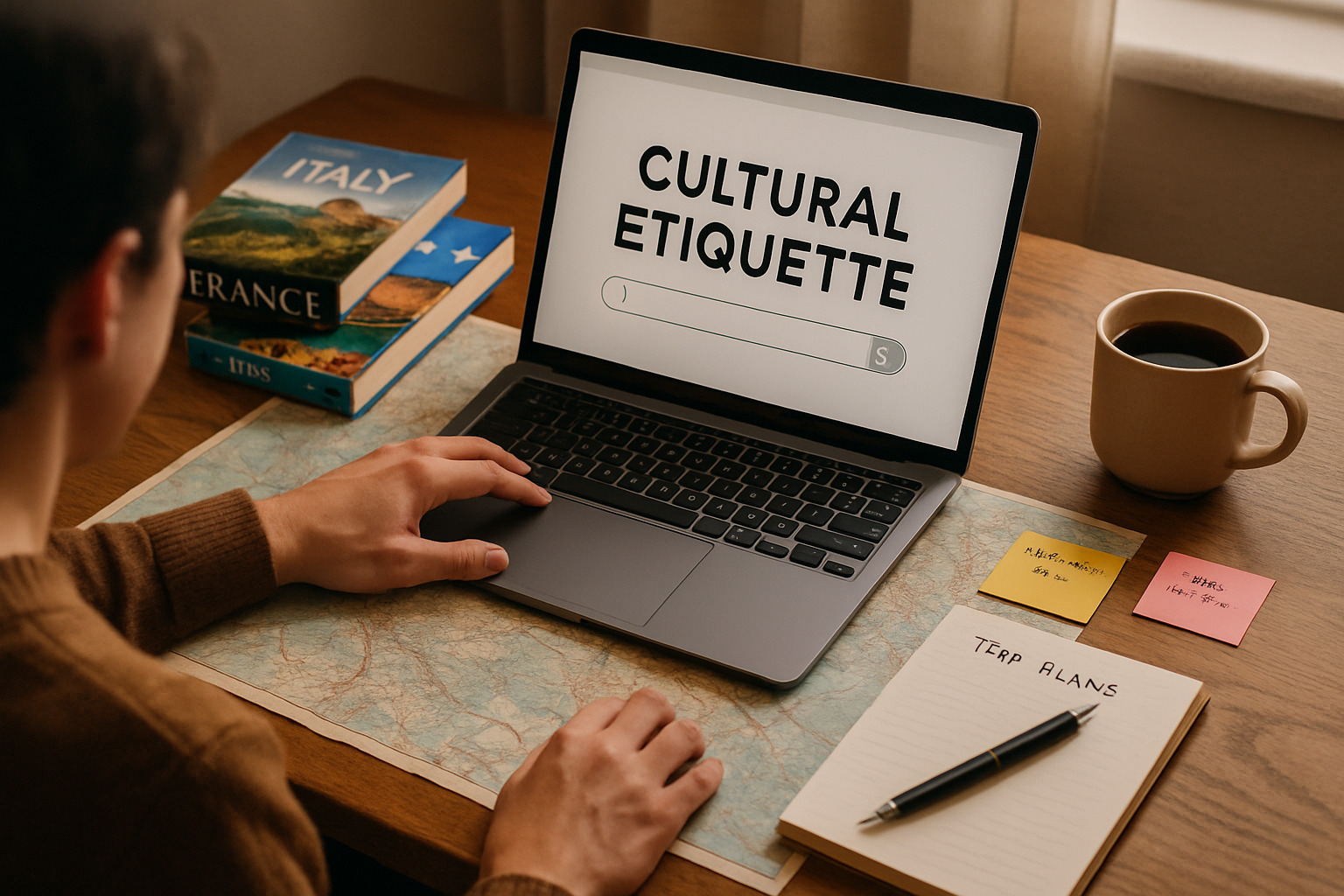
Films and documentaries made within the culture you’ll visit offer visual context for your journey. Pay special attention to appropriate etiquette regarding greetings, dining, and gift-giving—these small details demonstrate respect and open doors to more meaningful interactions.
Study maps of neighborhoods beyond tourist centers to find authentic local spots. Research cultural calendars for festivals and events happening during your visit—these often provide the most vibrant expressions of local traditions. If possible, connect with local contacts through social media or forums who can offer insider recommendations.
Learn about potentially sensitive topics to avoid unintentional offense. Different cultures have varying comfort levels discussing politics, religion, or historical events—awareness of these sensitivities demonstrates cultural intelligence.
One well-prepared traveler shared: “Before visiting Japan, I learned about onsen etiquette, proper chopstick use, and basic greetings. This preparation helped me avoid embarrassing mistakes and showed respect for local customs, opening doors to more meaningful interactions.”
Finally, pack appropriate clothing for various cultural contexts. A lightweight scarf, modest clothing options, and versatile layers will prepare you for unexpected opportunities—from spontaneous religious site visits to invitations to local homes.
Frequently Asked Questions about Cultural Experiences
What is the easiest way to find authentic cultural experiences?
Finding authentic cultural experiences doesn’t need to be complicated. In my years of traveling, I’ve found that the most genuine encounters often happen through the simplest channels.
Local guides and community-based tourism initiatives are gold mines for authenticity. These individuals and organizations naturally bridge the gap between visitors and residents, offering insights that guidebooks simply can’t provide. I’ve found some of my most memorable experiences through platforms that specifically vet for ethical practices and community benefit.
Food remains the universal connector. Whether it’s joining a cooking class in Thailand, wandering through a busy market in Morocco, or sharing a meal with a family in Georgia, culinary activities instantly immerse you in daily life and traditions. As one traveler beautifully put it: “The most authentic experiences rarely have flashy websites or heavy marketing. Ask locals where they go to celebrate their own culture, not where they send tourists.”
Don’t overlook festivals and public celebrations! These natural gathering points showcase culture in its most vibrant, unfiltered form. Similarly, cultural centers and museums run by community organizations (rather than government agencies) often present more nuanced perspectives on local heritage.
How can I be sure my participation is respectful and responsible?
Navigating cultural experiences with respect requires a blend of preparation and mindfulness. Before participating in ceremonies or visiting sensitive sites, a bit of research goes a long way. Understanding the significance of traditions helps you appreciate them more deeply while avoiding unintentional offense.
Whenever possible, choose community-led initiatives where locals maintain control and receive fair compensation. This approach ensures your tourism dollars directly benefit the people whose culture you’re experiencing. One ethical traveler shared: “Before visiting a Maasai village in Kenya, I researched which tours directly benefited the community rather than outside operators. This led me to a community-owned cooperative where tourism revenue funds education and healthcare.”
Simple courtesies make a big difference: asking permission before photographing people, dressing appropriately (especially at religious sites), and learning basic phrases in the local language. Perhaps most importantly, approach cultural exchanges with humility—listen more than you speak, and be willing to adapt your behavior based on local customs.
Can I gain cultural experiences without leaving home?
Absolutely! Meaningful cultural experiences don’t require a passport or plane ticket. Your own community likely offers rich opportunities for cultural exploration that many travelers overlook.
Begin by investigating cultural centers and museums representing different communities in your area. These institutions often host workshops, performances, and exhibitions that provide genuine insights into diverse traditions. Similarly, cultural festivals celebrate various heritages with food, music, art, and ritual—often with community members eager to share their stories.
Cooking classes focused on specific cuisines offer delicious pathways to understanding, while language exchange groups naturally attract international residents seeking conversation partners. For hands-on learners, workshops teaching traditional crafts or arts provide tangible connections to cultural practices.
Literature offers perhaps the most accessible cultural journey—reading works by diverse authors transports you into different worldviews from your favorite armchair. Podcasts focusing on specific cultures provide immersive audio experiences that can transform your daily commute into a cultural expedition.
Perhaps most meaningful are the relationships formed through volunteering with refugee or immigrant organizations in your community. As one home-based cultural explorer noted: “I’ve learned more about Tibetan culture through volunteering with a local refugee center than I could have in a brief tourist visit. These relationships have developed over years, allowing for much deeper cultural understanding.”
Conclusion
The heart of truly meaningful travel beats strongest through cultural experiences. They transform what could be just another vacation into something far more profound—a chance to connect, understand, and grow. Think about it: years from now, you probably won’t remember that standard hotel room, but you’ll never forget learning salsa steps in a Colombian dance hall, sharing homemade ceviche with a Peruvian family, or receiving a traditional blessing in a Cambodian village.
At Soaring in Style, we’ve seen how these moments change not just trips, but people. When we approach new cultures with genuine respect and curiosity, something magical happens. We build bridges across differences. We see our shared humanity. And sometimes, we even find new parts of ourselves.
The beauty of cultural experiences isn’t about ticking boxes or collecting Instagram moments. It’s about slowing down enough to truly be present. It’s about those unexpected conversations that happen when you linger at a local café. It’s about the warmth you feel when someone welcomes you into their traditions, even as a stranger.
The most meaningful encounters often happen when you least expect them—when plans fall through and you find yourself accepting an impromptu invitation, or when you wander down an unplanned path. Stay open to these moments. They’re the souvenirs no one can take away from you.
We’d love to hear about your own cultural immersion stories. What unexpected connections have you made while traveling? How has experiencing another culture changed your perspective? For more inspiration and practical guidance on meaningful cultural travel, explore our comprehensive guide on Immersive Journeys: Finding Cultures Around the World.
Here’s to traveling not just through places, but through hearts and minds. Happy exploring!