
Enriching Your Worldview as an Adult
Cultural education programs for adults provide structured opportunities to explore diverse traditions, perspectives, and artistic expressions while connecting with like-minded learners. If you’re looking to expand your horizons, here are the main types of programs available:
| Program Type | Key Features | Best For |
|---|---|---|
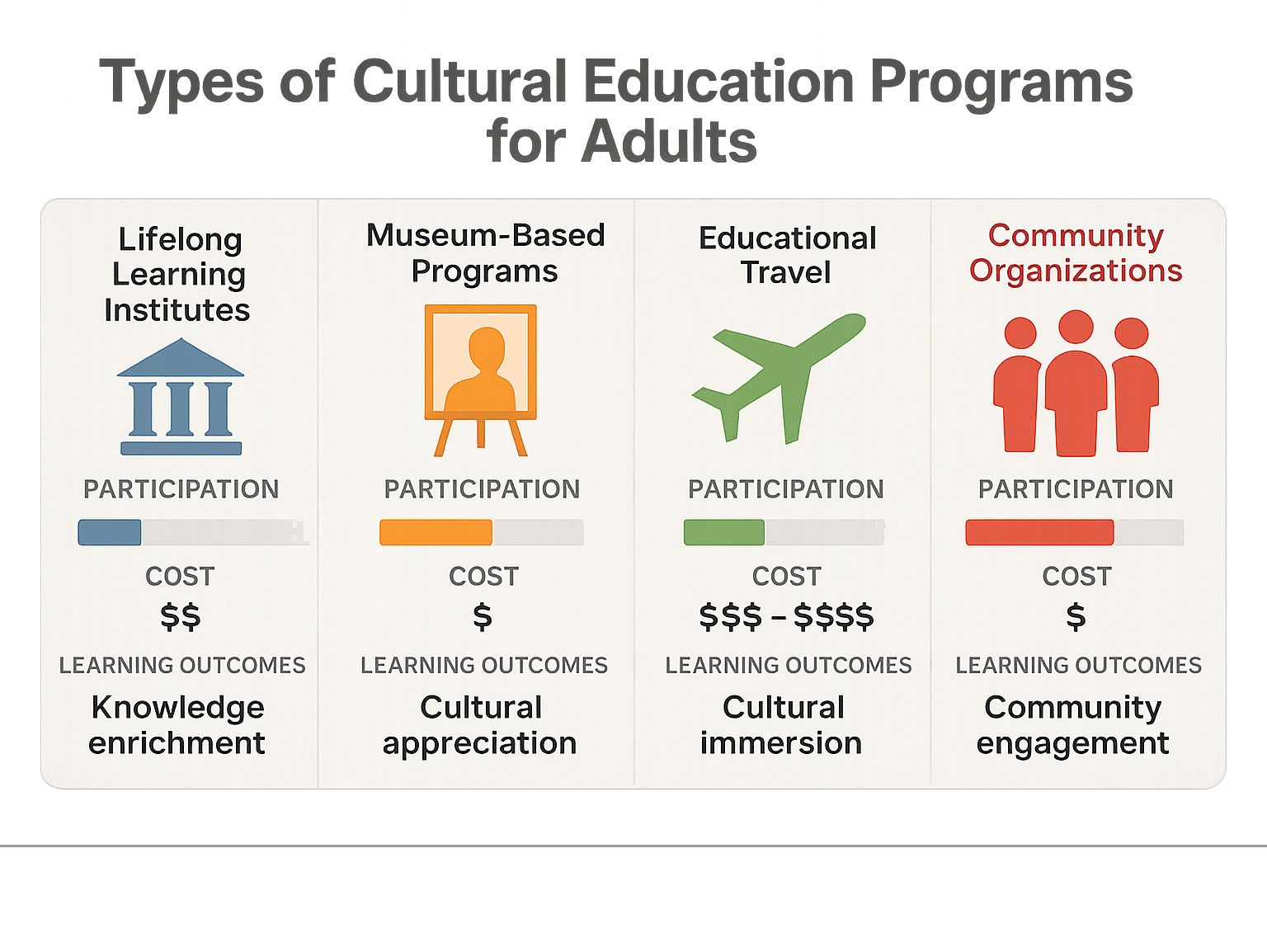
| Lifelong Learning Institutes | University-affiliated, peer-taught courses, no grades | Adults 50+ seeking community |
| Museum-Based Programs | Gallery talks, hands-on workshops, behind-the-scenes access | Art and history enthusiasts |
| Educational Travel | Immersive cultural experiences with expert guides | Trip seekers with time flexibility |
| Community Organizations | Local volunteering, special interest groups, field trips | Those wanting local connections |
| Government Exchanges | International experiences, professional development | Mid-career professionals |
The desire to understand different cultures doesn’t diminish with age—it often grows stronger. As Road Scholar (formerly Elderhostel) demonstrates with its 200,000+ annual participants across 150 countries, adults are increasingly seeking meaningful cultural education experiences that go beyond typical tourism.
Cultural education for adults differs significantly from childhood learning, focusing on peer exchange, real-world application, and personal enrichment rather than tests or grades. The Osher Lifelong Learning Institute (OLLI) network, with over 125 institutes nationwide, embodies this approach with its “no tests, no grades, just the joy of learning” philosophy.
Whether you’re looking to deepen appreciation for art at institutions like the Getty Museum, participate in habitat restoration with cultural components through Bay Area Older Adults, or engage in small study groups through Sage Learning in Retirement, these programs offer luxury travelers authentic cultural immersion with the comfort and thoughtfulness mature learners appreciate.
Related content about cultural education programs for adults:
– cross cultural experience
– immersing in culture
– travel for culture
Why Enroll in Cultural Education Programs for Adults
During our travels around the world with Soaring in Style, we’ve seen how cultural education opens new doors in people’s minds and hearts. The change is often remarkable – but what makes these programs so valuable for adults?
The beauty of lifelong learning isn’t just a nice concept – it’s backed by science. Neuroscientists have confirmed that our brains maintain their plasticity well into our senior years, allowing us to form new neural connections throughout adulthood. This means you’re never too old to learn, grow, and expand your worldview. Cultural education programs for adults tap into this natural capacity, providing structured opportunities to engage with new ideas that challenge and enrich you.
Beyond keeping your mind sharp, these programs create meaningful human connections. In an age when many adults report feeling increasingly isolated, cultural education brings together curious people who share your passion for findy. There’s something magical about exploring art, literature, or global traditions alongside others who are equally enthusiastic. The friendships formed during these shared learning experiences often last for years.
“The connections I’ve made through my museum education program have been unexpected treasures,” shared one participant we met during our travels. “We started as strangers interested in Renaissance art and ended up as friends who travel together.”
For those still in the workforce, cultural education offers practical benefits too. In our globally connected world, cultural competence has become an essential professional skill. Understanding diverse perspectives and communication styles can give you an edge in your career while simultaneously deepening your travel experiences.
As advocates for sustainable travel, we especially value how these programs foster genuine respect for diversity. By learning about various cultural traditions and values in a thoughtful, structured way, participants develop greater empathy and understanding – qualities that translate directly into more meaningful and respectful travel experiences.
Main Goals of Cultural Education Programs for Adults
What sets cultural education programs for adults apart from casual learning or traditional tourism? These programs share several core objectives:
They develop your critical thinking skills by encouraging you to question assumptions and analyze cultural practices with nuance and depth. Rather than accepting surface-level explanations, you’ll learn to dig deeper and understand the complex factors that shape different cultures.
These programs foster genuine empathy and cultural humility. Through guided exploration of diverse perspectives, you’ll gain the ability to appreciate different worldviews without judgment – a skill that enriches both travel experiences and everyday life.
Many programs create opportunities for community impact, allowing participants to contribute meaningfully to cultural preservation or exchange. This creates reciprocal relationships rather than one-sided consumption of culture, aligning perfectly with sustainable travel values.
As the National Association for Multicultural Education emphasizes, cultural education helps adults steer increasingly diverse communities with respect and understanding, promoting true global citizenship. By engaging with various traditions and practices, these programs also help ensure valuable cultural knowledge is preserved and passed down through generations.
How Cultural Education Programs for Adults Differ from K-12 Schooling
If you’re picturing classroom desks and pop quizzes, think again. Adult cultural education differs fundamentally from childhood education:
Cultural education programs for adults employ andragogy (adult-focused teaching methods) rather than pedagogy (child-focused methods). This approach honors your accumulated life experience, respects your intrinsic motivation, and supports your preference for self-direction. You’re treated as a capable, self-motivated learner whose life experience adds value to the program.
Peer learning stands at the heart of many adult programs. Rather than maintaining traditional teacher-student dynamics, these programs encourage participants to share their own expertise and experiences. You might find yourself learning as much from fellow participants as from program leaders.
Flexibility is another key difference. Unlike the rigid schedules of school, adult programs offer various timing options, commitment levels, and participation methods. This accommodates busy professionals, retirees, and everyone in between – making learning accessible regardless of your life stage.
Adult cultural education prioritizes practical application over abstract concepts. Programs typically connect cultural knowledge directly to your life, interests, and travel plans, making the learning immediately relevant and useful.
Perhaps most refreshingly, there are no grades or assessments. Most programs emphasize learning for its own sake rather than for credentials. This creates a low-pressure environment where your natural curiosity can flourish without the stress of performance evaluation.
As one participant told us, “After decades of education for degrees and certifications, it’s liberating to learn simply for the joy of understanding our world more deeply.”
Lifelong Learning Institutes (OLLI Network)
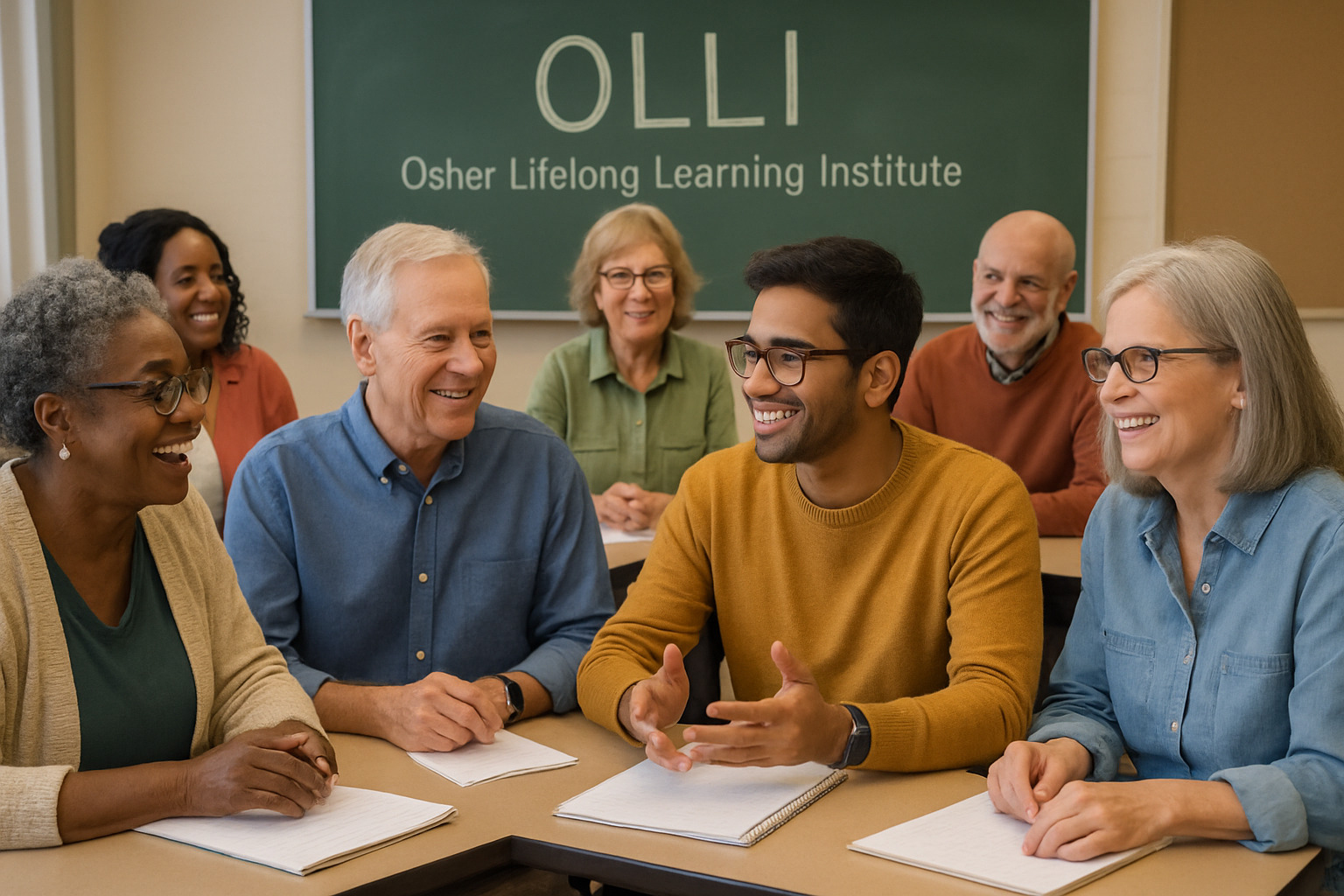
When I first finded the Osher Lifelong Learning Institute network, I was struck by how perfectly it embodies the spirit of continuous growth that we champion at Soaring in Style. These remarkable institutes represent one of America’s most welcoming frameworks for cultural education programs for adults, with over 125 locations housed at colleges and universities across the nation.
What makes OLLI special isn’t just its impressive reach—it’s the heartwarming philosophy behind it. These programs specifically welcome adults 50 and better, creating vibrant communities where learning happens without the stress of grades or academic pressure. It’s education purely for the joy of findy.
Take the OLLI at the University of North Texas as a shining example. They’ve created a warm, intellectually stimulating environment across eight classroom locations where hundreds of adults gather not just to learn, but to connect. Their “no tests, no grades, no limits” approach feels refreshingly liberating—imagine exploring Renaissance art or Japanese cultural traditions simply because you’re curious!
The University of Arizona’s OLLI program takes a similarly inviting approach with their membership model. Pay one reasonable fee and suddenly you have access to a treasure trove of cultural courses. I love how they’ve thoughtfully divided their calendar into Summer, Monsoon, and Fall sessions, recognizing that adults appreciate flexibility as they balance learning with travel, family, and other commitments.
What you’ll study at these institutes spans the cultural rainbow—from deep dives into art history and world religions to hands-on explorations of regional cuisines and indigenous traditions. The variety allows you to follow your curiosity wherever it leads while forming meaningful connections with fellow learners who share your interests.
Sample Structures Within Cultural Education Programs for Adults
Within the welcoming halls of OLLI and similar institutes, you’ll find a variety of engaging formats designed to make cultural learning both accessible and meaningful.
Imagine joining a discussion circle where you and a dozen other curious minds explore Japanese literature or Italian cinema through thoughtful conversation. These intimate gatherings create natural spaces for sharing perspectives and often blossom into genuine friendships.
Many programs organize field trips that transform abstract learning into tangible experiences. There’s something magical about discussing ancient pottery techniques in a classroom one day, then watching master artisans at work the next. As travelers, we at Soaring in Style particularly appreciate how these excursions combine learning with the joy of findy.
Special Interest Groups (affectionately called SIGs) form the heart of many OLLI communities. These self-organized collectives might focus on international films, global literature, or cultural cooking traditions. They often meet between formal classes, extending the learning community beyond structured sessions.
What I find especially democratic about these programs is their accept of volunteer leadership opportunities. Many institutes invite participants to design and lead courses based on their own expertise—whether that’s from professional experience or passionate personal study. This peer-teaching approach honors the wealth of knowledge that exists within the adult learning community itself.
For those who prefer a more traditional format, lecture series featuring university faculty, museum curators, or community cultural leaders provide authoritative insights while still encouraging questions and discussion.
This thoughtful variety of formats ensures that regardless of your learning style, mobility level, or personal preferences, there’s a welcoming path into cultural education waiting for you. It’s exactly the kind of inclusive, enriching experience we celebrate at Soaring in Style.
Museum-Based Learning: The Getty and Local Galleries
Museums have transformed from quiet halls of artifacts into dynamic hubs for cultural education programs for adults. The Getty Museum in Los Angeles stands as a shining example of this evolution, offering a rich mix of educational experiences at both the Getty Center and Getty Villa throughout the year.
What makes learning in museums so special is the opportunity to engage directly with authentic cultural treasures. Rather than just reading about art or history, participants can stand before original works, absorbing their power and significance in person. This direct connection creates deeper, more meaningful learning experiences.
The Getty’s education department thoughtfully designs programs for every knowledge level. Whether you’re new to art appreciation or a seasoned enthusiast, you’ll find something that speaks to you. Their intimate gallery talks guide small groups through specific collections, encouraging questions and observations. For those who learn by doing, hands-on workshops let you try traditional artistic techniques under expert guidance – imagine learning ancient pottery methods inspired by artifacts you’ve just examined!
While flagship institutions like the Getty offer comprehensive programs, don’t overlook your local galleries and museums. These smaller venues often showcase regional traditions and contemporary cultural expressions that might not appear in larger museums. They frequently offer more accessible, community-focused learning opportunities that connect directly to the cultural fabric of your area.
For those of us committed to sustainable travel at Soaring in Style, museum-based learning offers a wonderful way to deepen cultural understanding without the carbon footprint of international flights. It can also enrich future travel by building background knowledge about destinations you plan to visit – imagine arriving in Greece already familiar with ancient pottery techniques you learned at the Getty Villa!
The best museum education experiences go beyond passive viewing. They create interactive, multi-sensory opportunities that engage adults as active participants in cultural findy, not just observers. Behind-the-scenes tours that reveal conservation techniques, lectures from visiting artists, and accessibility programs ensure these cultural treasures are available to everyone.
Measuring Impact in Cultural Education Programs for Adults
How do we know if cultural education programs for adults are truly making a difference? Museums employ thoughtful evaluation methods to understand their impact:
The most immediate feedback comes through participant surveys that gather both numbers and stories. The Getty and similar institutions regularly collect this information to understand what resonates and what could be improved. These evaluations look beyond simple satisfaction to measure knowledge gained and shifts in cultural understanding.
Many programs track their community outreach impact, examining how the benefits of cultural education ripple outward as participants share their insights with family, friends, and community groups. This multiplication effect often extends far beyond the museum walls.
Some of the most innovative museums invite adult learners to participate in exhibition co-creation, measuring success through these collaborative projects and their reception. This approach recognizes that adults bring valuable perspectives and expertise to cultural institutions.
More ambitious evaluation efforts follow participants over time, assessing how cultural education influences ongoing engagement with cultural institutions and even travel choices. Does learning about Japanese ceramics at the Getty inspire you to seek out local Japanese cultural events or plan a more informed trip to Kyoto?
For travelers committed to respectful cultural engagement, these impact measurements help identify truly transformative educational experiences worth investing in. When planning your cultural learning journey, look for programs that can demonstrate meaningful outcomes beyond simple entertainment.
More info about Immersing in Culture
Educational Travel with Road Scholar
When it comes to fully immersive cultural experiences, educational travel programs offer a truly comprehensive approach to cultural education programs for adults. Road Scholar (formerly known as Elderhostel) stands as a true pioneer in this field, welcoming more than 200,000 participants yearly across the United States, Canada, and roughly 150 other countries around the globe.
Road Scholar’s story began back in 1975 with a beautifully simple concept: provide older adults with affordable access to non-credit classes on college campuses, complete with dormitory accommodations. What started as a “summer school for retired people” quickly blossomed into a global educational travel organization that proudly maintains its nonprofit status and educational mission today.
What makes Road Scholar fundamentally different from ordinary tourism is its unwavering focus on learning. Their programs are thoughtfully crafted around specific cultural themes or regions and led by passionate expert guides who provide rich context while facilitating meaningful connections with local communities. Participants don’t just passively visit cultural sites; they gain deep understanding of the historical, artistic, and social significance behind each experience.
As a nonprofit organization, Road Scholar channels resources back into its educational mission rather than maximizing profits. This commitment allows them to offer scholarships, maintain reasonable costs, and invest in researching and developing culturally authentic experiences that travelers might not find elsewhere.
The organization’s evolution from “Elderhostel” to “Road Scholar” in 2010 reflected both changing perceptions of aging and upgrades to accommodations beyond basic dormitory-style lodging. Today’s programs strike a wonderful balance between comfort and cultural authenticity, appealing to active adults who value both learning and enjoyable travel experiences.
Benefits Unique to Travel-Based Cultural Education Programs for Adults
Travel-based cultural education programs for adults offer distinct advantages that classroom-only approaches simply can’t match:
The multisensory immersion these programs provide is truly transformative. Participants don’t just learn about culture—they experience it through all their senses, from tasting authentic local cuisine and hearing traditional music to seeing historical sites in person, touching cultural artifacts, and breathing in the aromas of busy local markets or natural environments.
These immersive experiences also create natural opportunities for language practice. Even with limited language skills, travelers can practice communication in authentic contexts, which deepens cultural understanding in ways textbooks never could.
One of the most special aspects is the intergenerational dialogue that unfolds. Many programs facilitate meaningful exchanges between travelers and local community members of various ages, creating rich cross-generational cultural connections that benefit everyone involved.
The contextual understanding gained through travel is invaluable. Seeing cultural practices in their original settings helps adults grasp the fascinating interconnections between geography, history, economics, and cultural expressions that might otherwise remain abstract concepts.
Perhaps most powerfully, these journeys often create transformative experiences that reshape perspectives. The combination of new environments, cultural learning, and community building frequently catalyzes profound personal changes that classroom learning alone rarely achieves.
At Soaring in Style, we’ve consistently found that these immersive educational experiences align perfectly with sustainable travel principles. They encourage deeper, more respectful engagement with host communities rather than superficial tourism, creating meaningful memories while supporting cultural preservation and understanding.
To learn more about the science behind these transformative experiences, check out this Scientific research on experiential learning that explores how immersive cultural programs impact adult learners.
Community & Volunteer Opportunities: Bay Area Older Adults and Sage Learning in Retirement
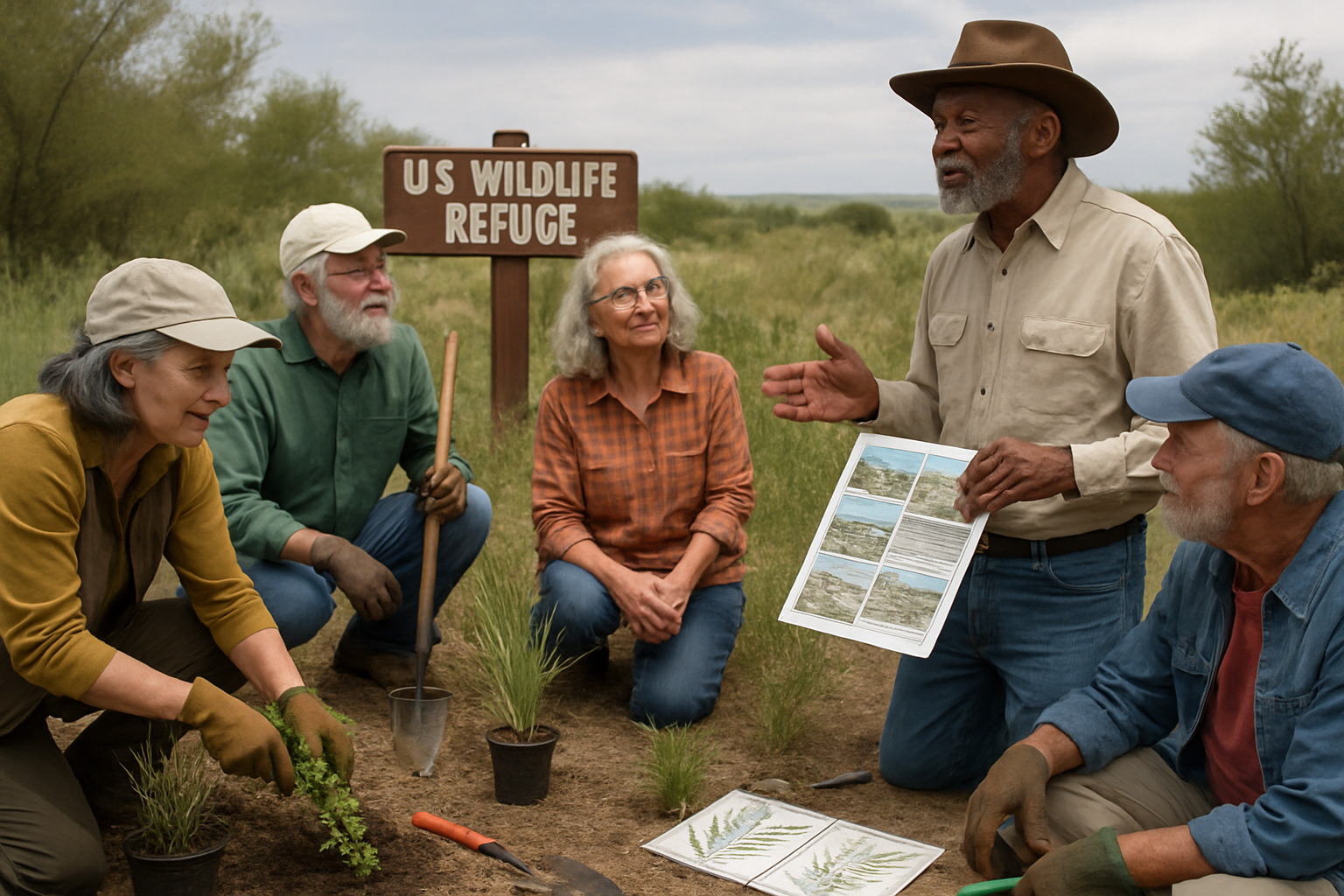
When it comes to connecting with culture close to home, local community organizations offer some truly special experiences. These grassroots initiatives blend learning with civic engagement in ways that can deeply enrich your life and community connections.
Take Bay Area Older Adults, for example. This wonderful organization has created a unique approach by weaving environmental stewardship with cultural findy. Picture yourself spending a morning helping restore native habitats at the Don Edwards Wildlife Refuge, then gathering with fellow volunteers to learn about the rich cultural heritage of the area from a local historian. These experiences connect you not just to the land, but to the stories and traditions that shaped it.
Cultural education programs for adults like these create meaningful bridges between environmental and cultural awareness – something we at Soaring in Style find particularly valuable for sustainable travelers.
Then there’s Sage Learning in Retirement, which brings together small groups of curious minds in peer-led explorations of fascinating cultural topics. Their current offerings feel like conversations with thoughtful friends rather than formal classes. You might find yourself discussing the intricate patterns of “Art and Crafts Across Cultures,” comparing the dramatic political shifts in “Presidential Elections of 1824, 1924, and 2024,” or sharing personal connections in “Music and Memories – The Soundtrack of My Life.”
What makes these community-based programs so special is their warmth and immediacy. You’re not just absorbing information – you’re actively contributing to cultural preservation while building genuine friendships with neighbors who share your curiosity about the world.
For those of us who love sustainable travel, these local cultural clubs provide wonderful ways to maintain our global curiosity between journeys abroad. The skills you develop – respectful listening, cultural humility, and contextual understanding – will serve you beautifully on your next international trip.
Overcoming Barriers to Cultural Education Programs for Adults
Despite their tremendous benefits, these enriching programs aren’t always equally accessible to everyone. Thankfully, many organizations are working thoughtfully to remove common obstacles.
Financial concerns shouldn’t prevent anyone from participating in cultural learning. Many programs now offer cost waivers and sliding scales that make participation possible regardless of your budget. Road Scholar provides scholarships for their educational travel experiences, while community organizations like OLLI frequently offer reduced rates for those who need them.
Transportation challenges can be just as limiting as financial ones. Forward-thinking programs are addressing this by organizing carpools, providing shuttle services, or deliberately choosing locations near public transit routes. Some programs even rotate meeting locations to share the travel burden equitably among participants.
The digital revolution has dramatically expanded access through virtual options that bring cultural education right into your home. This has been a game-changer for adults with mobility limitations, caregiving responsibilities, or those living in remote areas. Most major cultural education providers now offer engaging online experiences alongside their in-person gatherings.
Language diversity is increasingly recognized and honored through multilingual resources that welcome participants from various linguistic backgrounds. This inclusive approach acknowledges that English proficiency shouldn’t determine who gets to participate in cultural learning.
Work and family commitments are accommodated through flexible scheduling with evening, weekend, and self-paced options becoming increasingly common. This thoughtful approach makes cultural education accessible to adults juggling busy lives and varied responsibilities.
At Soaring in Style, we believe cultural learning should be available to everyone with a curious mind and open heart, regardless of circumstances. We take particular joy in highlighting programs that actively work to welcome diverse participants by removing unnecessary barriers to participation.
Government-Sponsored Exchanges and Online Certificates
Looking for a more structured approach to cultural education programs for adults? Government-sponsored exchanges and university certificates might be your perfect match. These programs beautifully blend cultural immersion with professional growth and formal recognition.
The U.S. Department of State offers several impressive exchange programs for adults from all walks of life. The legendary Fulbright Program stands as a shining example, having helped over half a million Americans experience meaningful cultural exchanges since 1947. What makes these programs special is how they combine deep cultural experiences with professional development – you’re not just traveling, you’re growing your career while expanding your worldview.
Can’t pack your bags for an extended international trip? Online programs have you covered. Kent State University’s Master of Education in Cultural Foundations delivers a comprehensive 30-credit curriculum focused on equity and social justice. While it demands more academic rigor than community programs, the flexibility is perfect for busy adults balancing work and learning. Students join from across America and beyond, creating a diverse virtual learning community.
The National Association for Multicultural Education (NAME) provides another valuable resource. Their annual national conference brings together passionate cultural educators, while their quarterly journal “Multicultural Perspectives” keeps the conversation going year-round. These professional development opportunities help educators and community leaders bring multicultural awareness into their daily work.
What sets these formal programs apart is their credential-oriented approach. You’re not just gaining cultural knowledge – you’re earning recognized qualifications that can open doors professionally while deepening your understanding of our diverse world. This combination makes them particularly attractive for mid-career professionals looking to blend personal enrichment with career advancement.
Funding Models That Sustain Cultural Education Programs for Adults
Ever wonder how these valuable cultural education programs for adults keep their doors open? The answer lies in creative, diverse funding approaches:
Grants and government support form the backbone for many programs. The Bernard Osher Foundation generously funds the entire OLLI network, while government agencies like the Department of State finance exchange programs. These institutional supporters believe in the transformative power of cultural education.
Membership fees create sustainable funding for organizations like OLLI. At the University of Arizona’s OLLI program, members can choose between an all-campus membership ($435) or single-campus access ($235). This predictable income helps programs plan effectively while giving members access to numerous courses.
Many organizations prefer an à la carte approach, charging per program rather than requiring membership. This pay-as-you-go model lets participants invest only in experiences that truly speak to their interests – perfect for those with specific cultural curiosities.
Philanthropic foundations often step in to support programs aligned with their missions. These grants not only subsidize operating costs but frequently fund scholarships that make cultural education accessible to those with financial constraints.
Public-private partnerships create particularly robust funding models. When government agencies, educational institutions, and private organizations join forces, they create sustainable programs that draw on diverse resources and expertise.
Perhaps most touching is the role of volunteer contributions. Many programs thrive thanks to unpaid instructors, organizers, and administrators who generously share their expertise. Their passion keeps costs manageable while creating authentic learning experiences.
At Soaring in Style, we believe sustainable funding models are essential for creating accessible, high-quality cultural education that respects both participants and the cultures being studied. The best programs find that sweet spot between financial sustainability and inclusive accessibility.
For the latest research on cultural competence, the Substance Abuse and Mental Health Services Administration offers valuable insights into how cultural education impacts our communities and personal growth.
Frequently Asked Questions about Cultural Education Programs for Adults
What Motivates Adults to Join Cultural Programs?
When we talk with participants at cultural education programs for adults, we hear such varied and fascinating reasons for their involvement. Many simply light up when describing their love of learning—there’s a special joy that comes from exploring new artistic traditions or historical perspectives that keeps them coming back for more.
For others, particularly those navigating life transitions like retirement or becoming empty nesters, the community aspect proves invaluable. As one OLLI member told us, “I came for the courses but stayed for the friendships.” These programs create natural spaces for meaningful connections with like-minded individuals.
Many of our Soaring in Style readers initially join cultural education programs to improve their travel experiences. Some prepare for upcoming journeys by learning about destination cultures, while others process and deepen experiences from past travels. This intentional approach transforms ordinary tourism into meaningful cultural exchange.
Professional development motivates many working adults, especially in fields where cultural competence directly impacts effectiveness. Educators, healthcare workers, business professionals, and public servants often find these programs improve both their capabilities and career prospects.
We’ve also met numerous participants exploring their own heritage and ancestry. Cultural education offers them tools to understand family traditions and histories with greater depth and context.
And let’s not forget brain health! Research consistently suggests that ongoing intellectual engagement contributes significantly to cognitive vitality as we age. This motivating factor becomes increasingly important for older adults seeking to maintain mental sharpness.
How Much Do Programs Typically Cost?
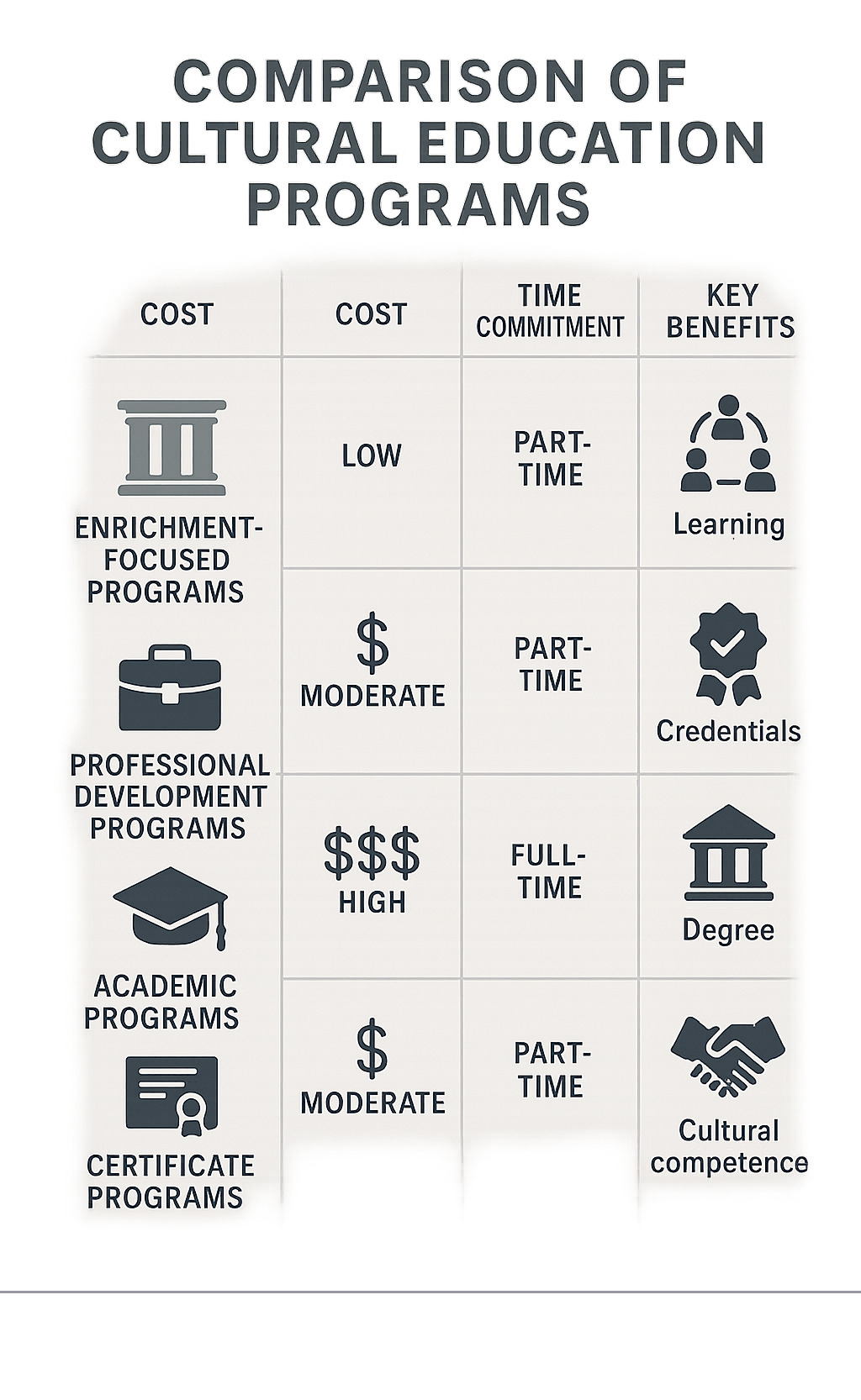
The investment required for cultural education programs for adults varies dramatically depending on format, duration, and provider. Here’s what you can typically expect:
University-affiliated lifelong learning institutes like OLLI generally operate on membership models ranging from $150-$500 annually. This membership provides access to multiple courses each term—quite a bargain when you calculate the per-hour cost of learning. The University of Arizona OLLI, for example, charges $435 for annual all-campus access or $235 for specific campus access.
Museum programs tend to be more à la carte in their pricing. You might pay $15-$50 for a single workshop or lecture, while more extensive multi-session programs can range from $100-$500. Many museums offer substantial member discounts that quickly pay for themselves if you’re a regular participant.
Educational travel naturally commands higher prices, reflecting the comprehensive nature of these experiences. Road Scholar programs typically range from $1,000 for domestic programs to $5,000+ for international journeys. While this might seem steep, remember these programs include accommodation, many meals, expert guides, and educational programming. Road Scholar also offers scholarships for those with financial need—something we appreciate at Soaring in Style, where we believe meaningful travel should be accessible.
Local community organizations often provide the most budget-friendly options, with events typically priced between $5-$25 or sometimes operating on donation-based models. These grassroots programs deliver remarkable value while keeping financial barriers low.
For those seeking formal credentials, university-affiliated options like Kent State’s M.Ed. in Cultural Foundations represent a bigger investment—approximately $571.90 per credit hour for Ohio residents ($17,157 total) with slightly higher rates for non-residents.
We’re particularly fond of programs that offer tiered pricing, scholarships, or volunteer-for-discount opportunities. These approaches ensure that cultural education remains accessible across income levels while sustaining program quality.
Can I Earn Credentials or Is It Purely for Enrichment?
The beautiful thing about cultural education programs for adults is that they span the entire spectrum from pure enjoyment to formal credentialing. Your options really depend on what you’re hoping to achieve.
Most community-based programs like OLLI and museum initiatives focus on learning purely for its own sake. There’s something wonderfully liberating about exploring culture without the pressure of grades or assessments. As one participant told us, “It’s the first time I’ve felt free to just love learning since I was a child.”
If professional recognition matters to you, look for programs offering continuing education units (CEUs) or professional development credits. These are particularly valuable in fields like education, healthcare, and social services, where ongoing learning is expected and rewarded. Many cultural competence workshops explicitly design their programming to meet these professional requirements.
For those seeking substantial career advancement, university-affiliated options provide the most recognized credentials. Programs like Kent State’s Cultural Foundations M.Ed. offer formal academic qualifications that can open doors in education and related fields. While more demanding in terms of time and financial investment, these programs deliver correspondingly substantial professional benefits.
Certificate programs occupy a middle ground, providing formal recognition without the full commitment of a degree program. These non-degree credentials can strengthen your resume while demonstrating serious commitment to cultural learning.
Participation in prestigious exchanges like Fulbright carries its own special recognition. Though not a formal credential in the traditional sense, these experiences are widely respected and can significantly improve professional standing in many fields.
At Soaring in Style, we see value in both credential-oriented and enrichment-focused approaches. The best choice depends entirely on your personal goals—whether you’re looking to advance professionally, improve your travel experiences, or simply enjoy the wonder of finding diverse cultural perspectives.
Conclusion
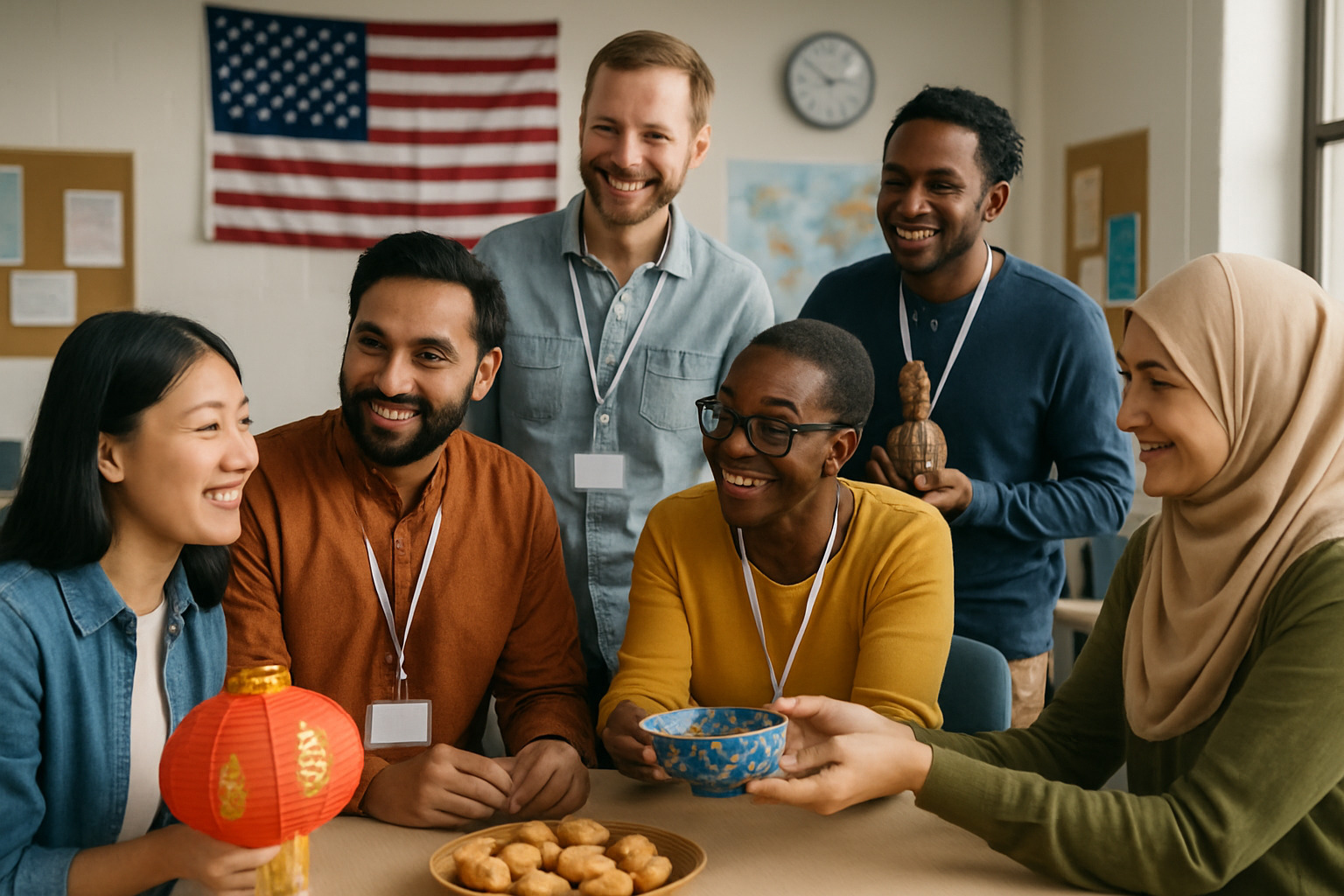
As we’ve explored throughout this journey, cultural education programs for adults offer so much more than just knowledge—they provide pathways to personal change, meaningful connections, and a richer understanding of our diverse world. Whether you’re drawn to the academic setting of university-affiliated institutes, the artifact-rich environment of museums, the immersive experiences of educational travel, or the intimacy of community organizations, there’s a cultural learning opportunity perfectly suited to your interests and lifestyle.
What makes these adult programs truly special is how they honor your life experience and intrinsic curiosity. Unlike the structured learning of our childhood years, these programs recognize that adult learners bring wisdom, questions, and perspectives that enrich the learning community. They create spaces where genuine curiosity can flourish without the pressure of grades or assessments.
Here at Soaring in Style, we’ve witnessed how cultural education transforms travel experiences. Travelers who invest time in understanding cultural contexts develop a sensitivity and awareness that leads to more meaningful, respectful encounters with communities worldwide. This deeper engagement perfectly aligns with sustainable travel principles—creating experiences that benefit both you as a visitor and the communities you encounter.
The beauty of today’s cultural education landscape lies in its accessibility. No matter your schedule constraints, budget limitations, mobility concerns, or learning preferences, you’ll find options that work for you. From free community workshops just around the corner to comprehensive educational journeys across the globe, the possibilities continue to expand.
We encourage you to consider how cultural learning might improve your next travel trip or simply bring more richness to your everyday life. Whether you’re preparing for an upcoming journey, processing experiences from past travels, or simply nurturing your curiosity about our fascinating world, these programs offer structured pathways to deeper understanding.
In our increasingly interconnected world, the perspectives gained through cultural education aren’t just personally enriching—they’re essential for thoughtful global citizenship. By investing in these learning experiences, you’re not only expanding your own horizons but contributing to a more understanding and respectful global community.
Ready to take the next step in your cultural learning journey? Explore more inspiration and practical guidance through our related content:
– Immersive Journeys: Finding Cultures Around the World
– Immersing in Culture
What cultural education experience will spark your curiosity and expand your worldview? The journey awaits!