

Authentic Travel Experiences: 7 Powerful Ways for Unforgettable 2025
Redefining Your Journey: Beyond Tourist Traps
Authentic travel experiences are immersive cultural encounters that connect you meaningfully with local communities, traditions, and daily life in your destination. Instead of just checking landmarks off a list, authentic travel invites you to engage deeply with a place and its people.
If you’re looking for the essence of authentic travel, here are the core elements:
- Local engagement – Connecting with residents through homestays, cooking classes, or community projects
- Cultural immersion – Participating in traditions, festivals, and everyday activities
- Slow travel – Spending more time in fewer places to develop deeper connections
- Mindful consumption – Supporting local businesses and sustainable practices
- Personal change – Opening yourself to new perspectives and growth opportunities
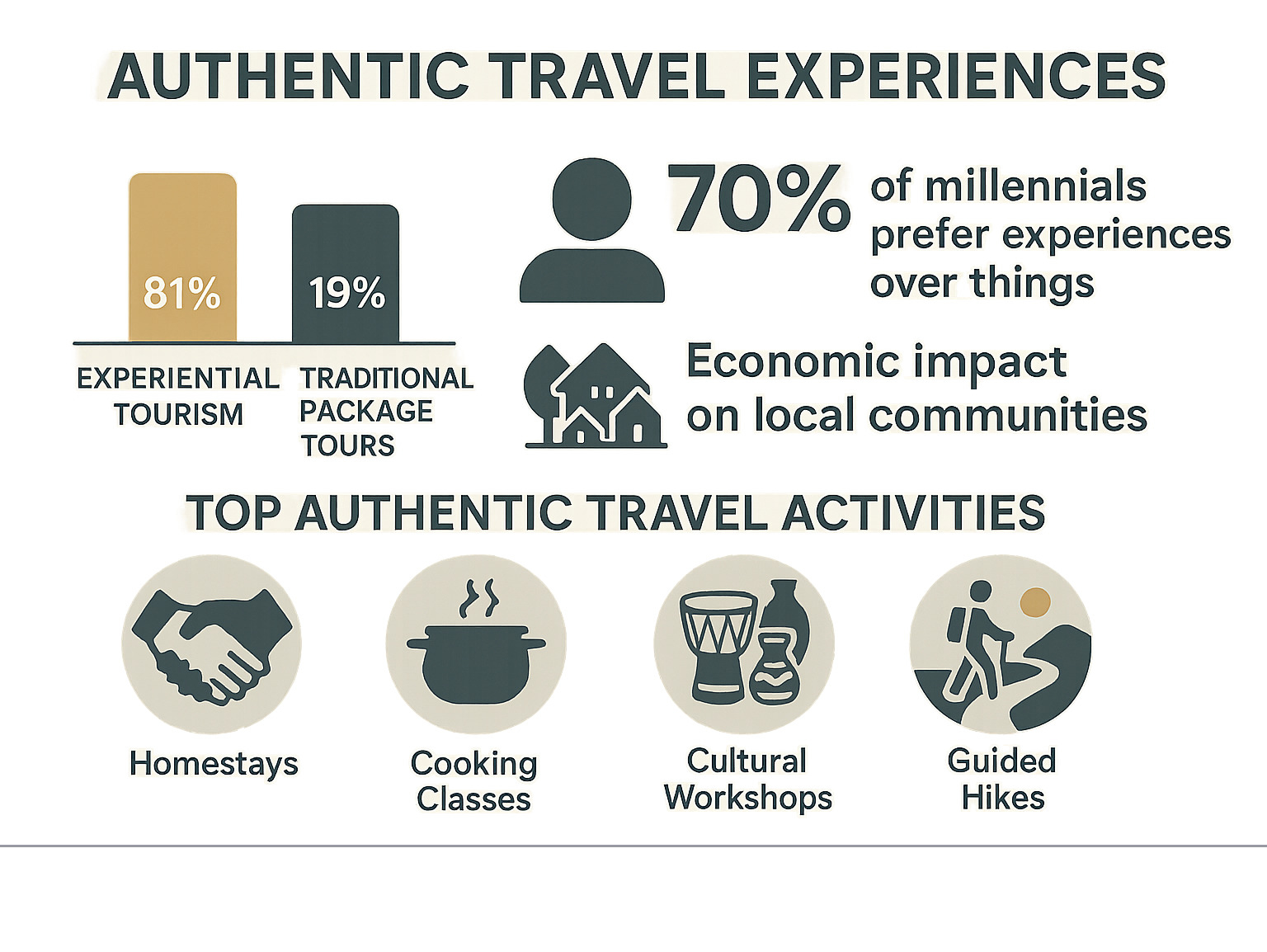
According to a 2023 Booking.com report, 75% of travelers now actively seek experiences that represent local culture. This shift marks a significant trend away from packaged tourism toward more genuine connections.
“Authentic travel is a rebellion against passive travel and an invitation to be more mindful and reflective,” notes travel columnist JoAnna Haugen, who emphasizes that authenticity is both personally defined and mutually created between visitors and hosts.
The movement toward authenticity isn’t just about personal satisfaction—it also supports sustainable tourism. When travelers engage meaningfully with communities, spending directly benefits local economies rather than large chains or foreign investors.
For luxury travelers, authentic experiences don’t mean sacrificing comfort. Many high-end properties now serve as cultural hubs offering exclusive access to local artisans, traditional practices, and community connections while maintaining exceptional service standards.
Whether you’re sleeping in a yurt in Mongolia’s Gobi Desert, learning to make pasta with an Italian family, or joining a traditional reindeer migration in Norway, authentic travel transforms ordinary vacations into extraordinary journeys of findy.
Similar topics to authentic travel experiences:
– Eco-friendly tourism activities
– Eco tourism destinations
– Off the beaten path
Why Authentic Travel Experiences Matter
The surge in demand for authentic travel experiences isn’t just another fleeting travel trend—it represents a fundamental shift in how we view the very purpose of travel. Millennials are at the forefront of this movement, often prioritizing meaningful journeys over traditional milestones like home ownership.
Research consistently shows that experiencing new cultures has become the primary motivation for millennial travelers, far outweighing the desire to simply relax by a pool or snap photos at famous landmarks. This craving for authenticity is driven by several powerful factors:
When we engage in genuine cultural experiences, our brains create what neurologists call “peak memories”—moments that trigger the release of dopamine and serotonin, forming impressions that last far longer than those from passive sightseeing. That’s why that impromptu dinner with locals in Sicily might remain vivid in your mind while the details of your resort stay fade quickly.
According to Booking.com, a remarkable 75% of travelers now actively seek experiences that represent local culture—a statistic that reflects our collective desire for connection in an increasingly digital world.
The happiness-nature link is equally compelling. Research from the University of California Berkeley reveals that people who maintain a connection with natural environments report higher levels of happiness and life satisfaction. Whether it’s hiking with local guides or participating in community conservation efforts, nature-based authentic experiences deliver profound mental health benefits.
As travel blogger Matt Wilson aptly puts it, “All-inclusive resort vacations are passé for millennials. It’s best not to stick to the well-trodden tourist routes.”
The Appeal for Modern Travelers
Today’s travelers—particularly younger generations—seek authentic travel experiences that go far beyond simple enjoyment. Travel has evolved into a form of self-expression and identity formation that shapes who we are and how we see the world.
“They want to be a part of the culture, find themselves, set themselves apart, stay active, and repeat what they see on social media,” explains travel expert Under30Experiences. This quest for uniqueness drives people toward experiences that offer genuine opportunities for self-findy and personal growth.
Self-findy journeys have become increasingly important in our world. Immersive travel often sparks major life and career decisions by boosting personal confidence and providing fresh perspectives that might never emerge in familiar surroundings. Many travelers report making significant life changes after experiencing different ways of living during authentic travel encounters.
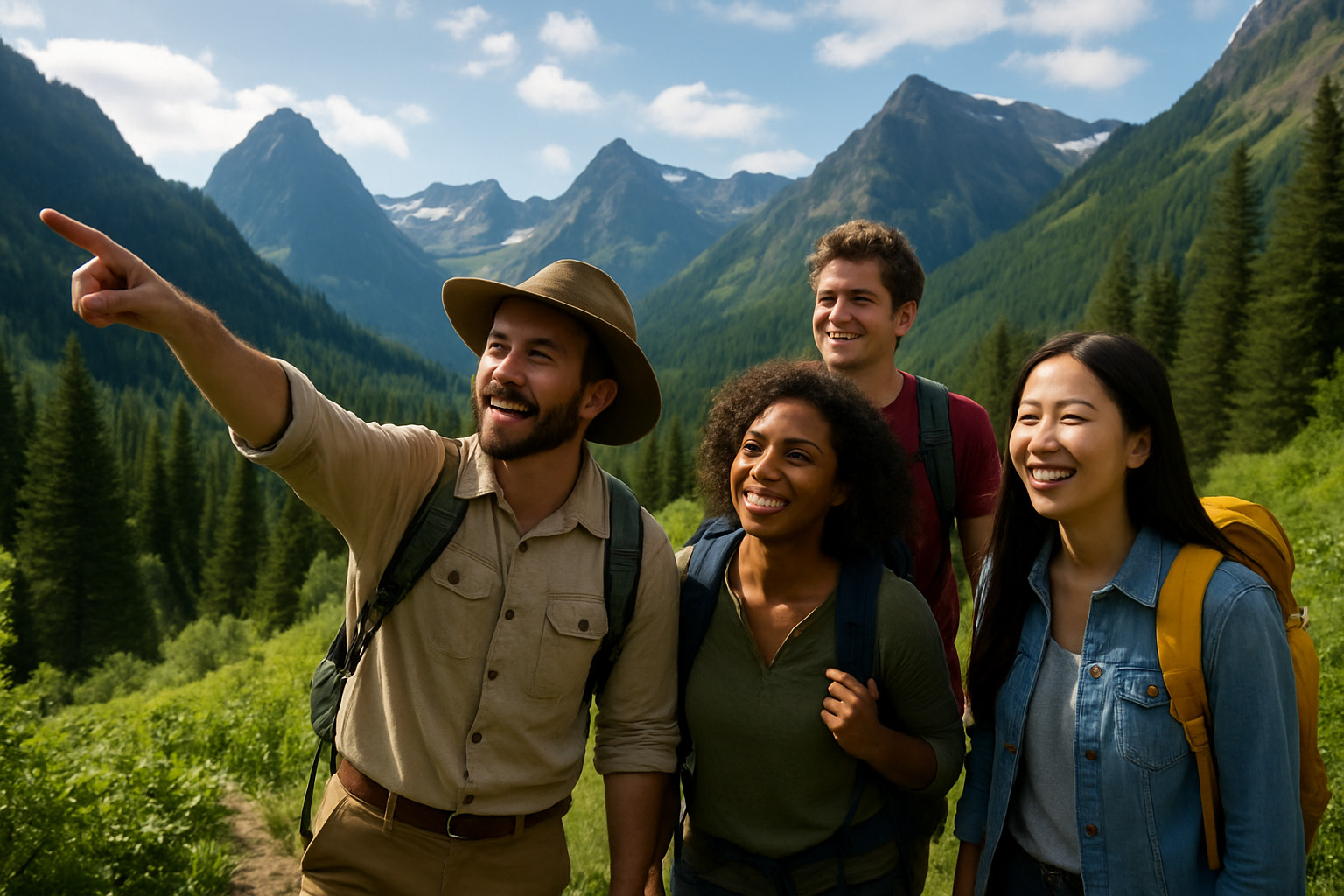
The desire for active participation rather than passive observation defines modern travel. Today’s triprs want to hike mountain trails with local guides, learn traditional cooking techniques from family matriarchs, create handicrafts with village artisans, and physically engage with destinations in ways that create muscle memory alongside emotional connections.
Community & Environmental Upsides
When approached thoughtfully, authentic travel experiences create a beautiful cycle of benefits for both visitors and host communities.
The economic advantages are significant and far-reaching. When you stay in a family-run guesthouse instead of an international chain hotel, your money flows directly to local families. When you purchase handicrafts from the artisan who made them, you help preserve traditional skills that might otherwise disappear. These direct contributions significantly reduce economic leakage—the phenomenon where tourism dollars quickly exit local economies through foreign-owned businesses.
Rural communities particularly benefit from authentic tourism. Farmers offering agritourism experiences can diversify their income streams while continuing traditional agricultural practices. A family in Tuscany might supplement their olive oil production by hosting cooking classes, creating financial stability while sharing their culinary heritage.
Cultural preservation happens naturally when traditions have economic value. When younger generations see that their cultural heritage attracts respectful visitors and provides income, they’re more likely to accept and continue these practices. In Peru’s Sacred Valley, for example, weaving cooperatives have revitalized ancient textile traditions while providing sustainable livelihoods for indigenous women.
The environmental benefits are equally compelling. By distributing tourism away from overcrowded hotspots, authentic travel helps relieve pressure on popular sites suffering from overtourism. When natural resources become valuable for sustainable tourism, communities have powerful incentives to protect them—whether that’s preserving coral reefs in Indonesia or protecting wildlife habitats in Kenya.
As JoAnna Haugen wisely cautions, “While communities may invite others to share experiences, increased exposure can alter the very uniqueness that made them authentic.” This delicate balance requires thoughtful management and mutual respect between travelers and hosts—a responsibility that falls on both visitors and communities as they steer the path to meaningful, sustainable tourism.
What Exactly Counts as “Authentic”?
The word “authentic” gets tossed around a lot in travel circles, but pinning down exactly what makes an experience truly authentic isn’t as straightforward as it might seem. Is it about age? Local approval? Cultural significance? Or is it simply how you personally feel about an experience? The beauty of authentic travel experiences lies partly in this wonderful complexity.
Travel writer Diane Daniel breaks authenticity down into four fascinating factors that help us steer this question:
Age doesn’t automatically make something authentic. While historical sites certainly carry authenticity, modern experiences like visiting the 9/11 Memorial can be profoundly authentic despite being relatively recent. Authenticity isn’t just about how old something is.
Authority matters in validating authenticity. The knowledge and passion of local guides, historians, and community members often lends credibility to an experience. Their stories and perspectives provide context that transforms an ordinary visit into something meaningful.
Locality is tricky terrain. Just because something is local doesn’t automatically make it authentic. A local resident might genuinely recommend McDonald’s as their favorite spot, but this might not satisfy what you’re seeking in terms of cultural immersion.
Subjectivity is perhaps the most important factor. What feels deeply authentic to one traveler might seem staged or inauthentic to another. Your own values, expectations, and perceptions color every experience.
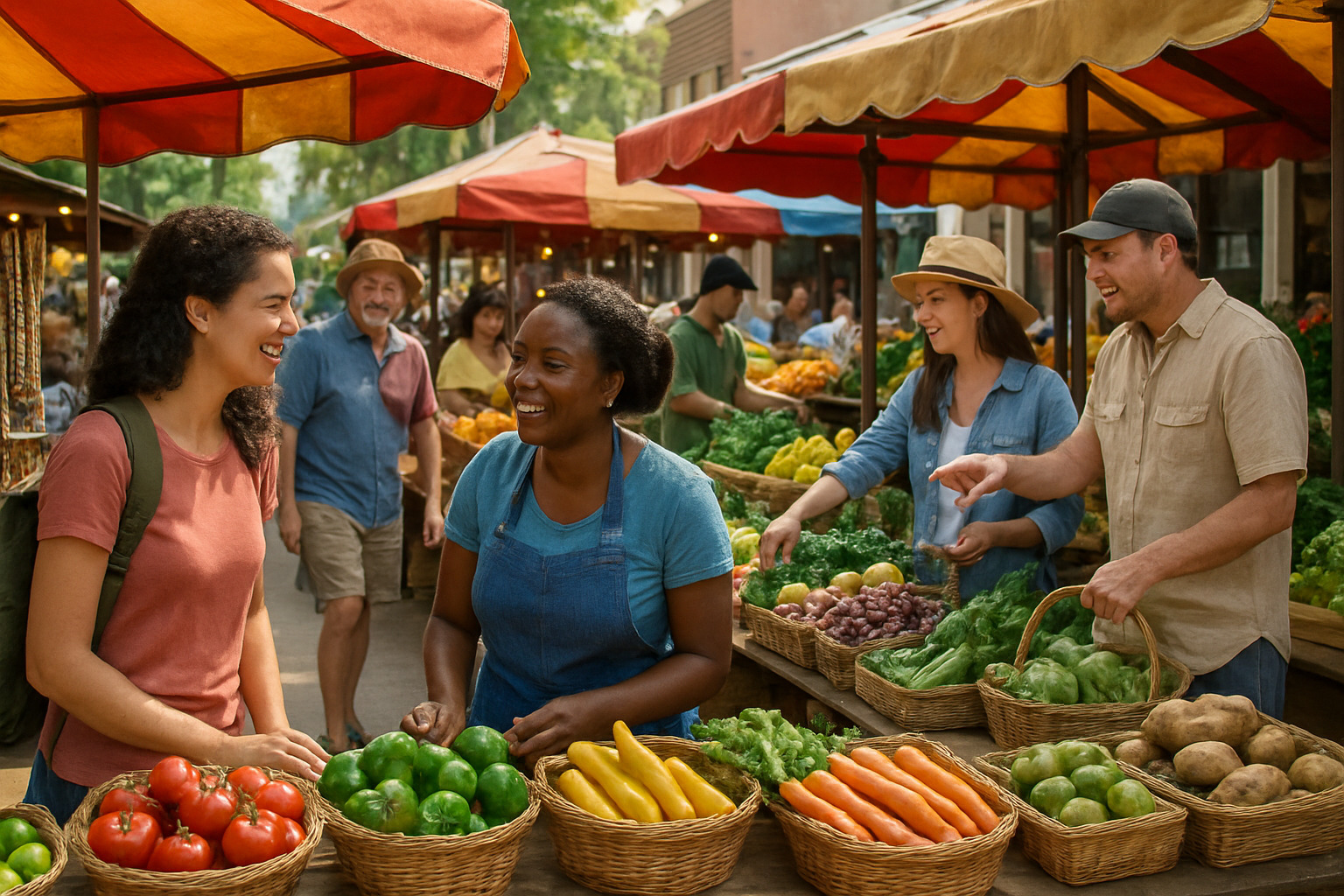
Consider this everyday example: Is wandering through a foreign supermarket an authentic experience? For travelers interested in daily life rather than just monuments, absolutely! It offers genuine insight into local food culture and everyday habits. What about attending a cultural performance created primarily for tourists? The answer isn’t black and white – it depends on the presentation, context, and your personal perspective.
As JoAnna Haugen thoughtfully puts it on trip.com, “Authenticity is determined by personal interpretation, context, and individual perspective; it varies by traveler and moment.” This captures the beautiful fluidity of authentic experiences.
Defining Your Own Authentic Travel Experiences
Rather than chasing someone else’s definition of authenticity, we at Soaring in Style encourage you to reflect on what authenticity means personally to you.
What aspects of travel make you feel genuinely connected to a place? For some, it’s sharing meals with locals. For others, it’s wandering aimlessly through residential neighborhoods. Are you seeking historical understanding of a culture, or are you more interested in contemporary life? Maybe both?
Do spontaneous encounters light you up more than carefully planned experiences? How important is comfort in your authentic travel equation? Some travelers feel most connected when they’re a bit outside their comfort zone, while others find authenticity perfectly compatible with luxury.
By honestly answering these questions for yourself, you’ll develop a personal compass that guides your travel choices toward what feels most meaningful to you. And this definition will likely evolve as you gain more travel experience.
As one seasoned traveler shared with us, “I used to equate authenticity with discomfort – the more basic the accommodation, the more ‘real’ the experience. Now I realize authenticity is about genuine connection, whether that happens in a five-star hotel or a humble homestay.”
Who Decides? Local Voices vs. Traveler Perception
The question of who gets to define authenticity raises important considerations about power dynamics in tourism. Is authenticity determined by what travelers seek, what locals believe represents their culture, or something co-created between both parties?
From the local perspective, communities have every right to present their culture as they choose. Not all traditions are meant for outside consumption, and economic necessity may influence what’s shared with visitors. Importantly, “authentic” can include modern adaptations – cultures are living, breathing entities that evolve, not museum pieces frozen in time.
From the traveler’s viewpoint, personal expectations inevitably shape perceptions of authenticity. Your prior knowledge, research, and cultural background affect how you interpret experiences. And there’s an unavoidable paradox: the very presence of tourists changes the authenticity equation.
The most respectful approach recognizes that true authenticity emerges from thoughtful dialogue between hosts and guests. As travelers, we can seek experiences that feel genuine while respecting local definitions of what represents their culture authentically.
JoAnna Haugen offers this practical advice: “Get specific: ask providers detailed questions, reflect on personal expectations, and assess who created and benefits from the experience.” This mindful approach helps us steer the sometimes murky waters of authenticity with respect and awareness.
Step-by-Step Blueprint to Plan Authentic Travel Experiences
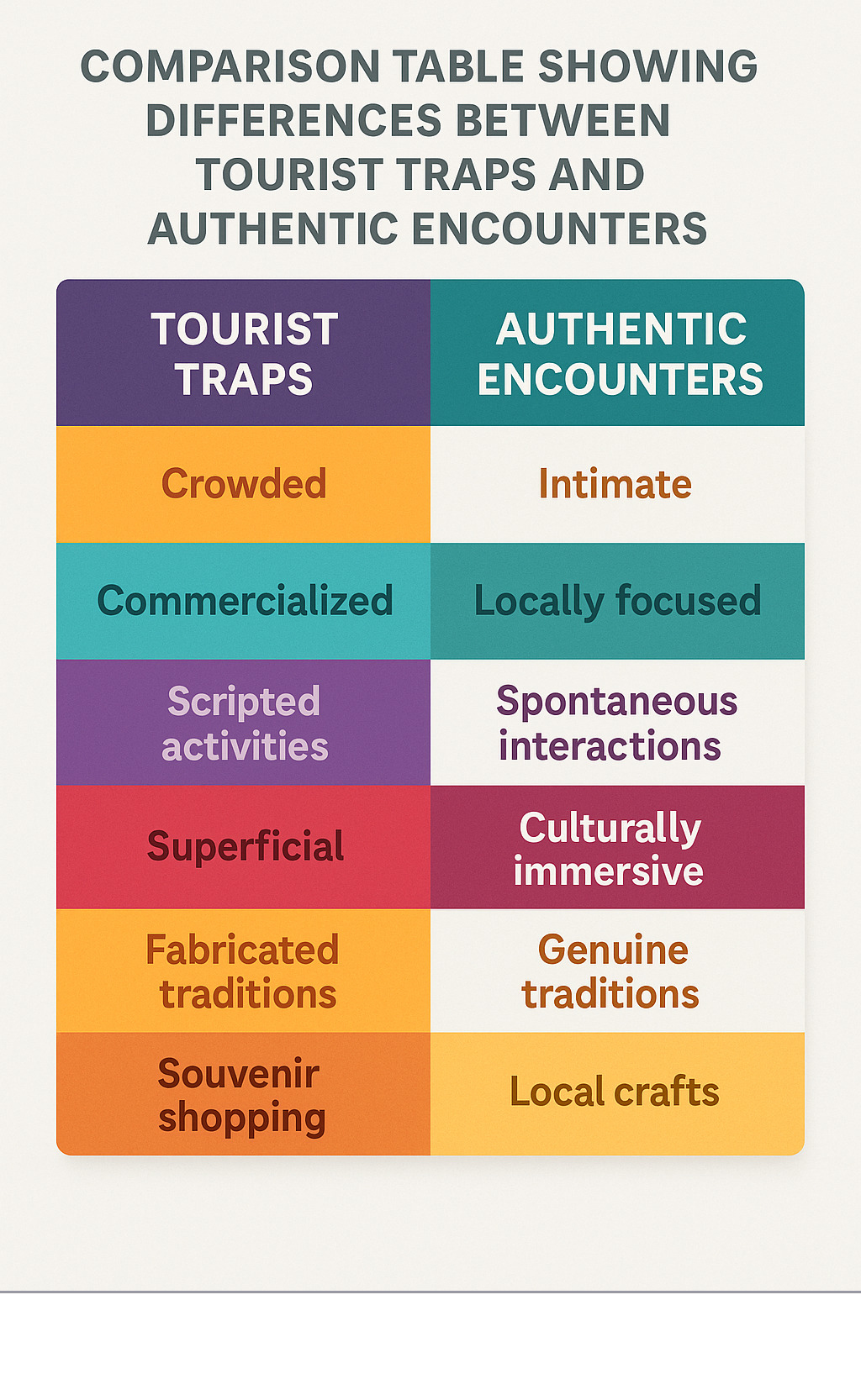
Finding truly authentic travel experiences isn’t about luck—it’s about intention. Like a chef gathering ingredients for a special meal, you’ll need to thoughtfully collect the elements that create meaningful connections with your destination. Here’s your roadmap to travel that goes far deeper than tourist traps:
Step 1: Do Your Homework Without the Hype
The foundation of authentic travel begins before you ever pack a bag. While glossy brochures promise “authentic” experiences at every turn, true cultural immersion requires digging deeper.
Start by seeking out voices from the place itself. Independent travel blogs written by people who’ve spent months, not days, in your destination offer insights you won’t find in mainstream travel guides. Local news sources reveal what matters to residents right now—whether it’s a beloved festival or a community challenge.
Community forums like destination-specific subreddits often feature locals eager to share their favorite spots with respectful visitors. Specialized platforms such as Local Alike in Thailand connect travelers directly with community-based experiences where profits benefit local people.
Be wary of vague promises without specifics or overly polished presentations that seem staged purely for tourists. Ask yourself: Who benefits financially from this experience? Are local community members genuinely involved?
As you research, jot down places that intrigue you, but leave breathing room in your itinerary. Some of your most authentic moments will happen spontaneously when you have the flexibility to follow that local recommendation or linger at a neighborhood café.
Step 2: Eat & Drink Where Stories Simmer
Food isn’t just sustenance—it’s the most accessible gateway to cultural authenticity. As Anthony Bourdain wisely noted, “You learn a lot about someone when you share a meal together.”
Trust the crowds of locals. That busy corner restaurant filled with families and workers rather than camera-toting tourists? That’s your spot. Morning markets offer another window into authentic daily life, as residents shop for fresh ingredients before tourist crowds descend.
Rather than asking broadly for “authentic food,” try more specific questions: “Where do you celebrate special occasions with your family?” or “What dish reminds you of your childhood?” These questions often lead to heartfelt recommendations beyond typical tourist suggestions.
Consider taking a cooking class in someone’s actual home, not just a tourist-centered cooking school. Learning to make pad thai from a grandmother in her Bangkok kitchen creates memories far richer than any restaurant meal could provide.
“Authentic” doesn’t always mean “traditional.” That contemporary fusion restaurant might authentically represent how the culture’s cuisine is evolving right now.
For more culinary inspiration, our Street Food Diaries: The Soul of a City on a Plate guide offers deeper insights into finding food that tells a destination’s true story.
Step 3: Stay Local, Sleep Local
Where you rest your head profoundly shapes your travel experience. Think of your accommodation not just as a place to sleep but as your doorway into local life.
Homestays offer the most immersive option—living alongside a family means waking to the actual rhythm of daily life, sharing home-cooked meals, and participating in family activities. The conversations that unfold over breakfast or evening tea often become the highlight of a journey.
Locally-owned guesthouses typically offer personalized service from people with deep knowledge of their community. When the owner recommends a nearby restaurant or hidden viewpoint, it’s often based on genuine local pride rather than commission arrangements.
For rural destinations, agritourism properties like Italy’s agriturismi or farm stays in New Zealand blend comfortable accommodations with hands-on agricultural experiences. Helping collect eggs for breakfast or learning traditional farming techniques creates a meaningful connection to the land and its people.

Even luxury travelers can find authenticity by choosing properties that incorporate local design, cuisine, and cultural programming. As National Geographic beautifully puts it, “Hotels shouldn’t just put heads in beds but serve as cultural hubs.”
Before booking, ask about ownership, local staffing, and community engagement. These questions reveal whether your accommodation choice will improve or detract from your authentic travel goals.
Find more about culturally immersive stays in our guide to Authentic Cultural Travel Experiences.
Step 4: Move Slowly & Sustainably
The pace and method of your travel dramatically affects both authenticity and environmental impact. Rushing from attraction to attraction creates a blur of superficial experiences, while slow, sustainable movement allows deeper connections to form.
Walking reveals a city’s true character—the neighborhood bakery with a line of locals each morning, the elderly men playing chess in the park, the street art hidden down an alleyway. These details simply vanish when viewed from a tour bus window.
Cycling offers a perfect middle ground, covering more territory than walking while maintaining that essential connection to your surroundings. Public transportation—whether city buses, regional trains, or shared taxis—places you alongside everyday residents, creating natural opportunities for conversation and cultural insights.
Embracing digital detox periods allows you to fully engage with your surroundings rather than experiencing them through a screen. Those moments when you’re slightly lost, asking directions from a shopkeeper or following the delicious smell of street food, often become your most treasured travel memories.
As we explore in our article on Why Slow Travel is the New Luxury, “The art of traveling slowly isn’t about seeing less—it’s about experiencing more.” By staying longer in fewer places, you reduce your carbon footprint while deepening your connection to each destination.
Step 5: Connect, Contribute, Collaborate
Authentic travel involves reciprocity—not just taking experiences from a destination but giving something valuable in return. This mindful exchange creates more meaningful connections and ensures tourism benefits local communities.
Supporting community-based tourism initiatives directly channels your travel dollars to residents rather than international corporations. Visiting social enterprises—like restaurants that train disadvantaged youth or craft collectives preserving traditional techniques—allows your spending to address local challenges.
When purchasing handicrafts, buy directly from artisans whenever possible. The conversation about how a piece was made, its cultural significance, or the artist’s training adds immeasurable value to your souvenir. Pay fair prices that respect the time and skill involved—aggressive haggling might save you a few dollars but can deprive creators of fair compensation for their work.
If you’re considering volunteering, research organizations thoroughly to ensure your contribution is truly helpful. Short-term volunteering can sometimes create more problems than it solves, but well-established programs with long-term community relationships can offer meaningful ways to engage.
For deeper cultural engagement that benefits both visitors and hosts, explore our guide to Cultural Education Programs for Adults, highlighting immersive learning opportunities worldwide.
Authentic travel isn’t just about what you find—it’s about the person you become through thoughtful engagement with the world. Each mindful choice creates ripples that extend far beyond your journey.
Balancing Bucket-List Icons with Hidden Gems
Even the most dedicated authenticity seekers usually want to experience famous landmarks. Here’s the good news – visiting iconic sites doesn’t have to contradict your quest for authentic travel experiences. It’s all about your approach.

The real challenge lies in creating a balanced itinerary – one that honors those bucket-list wonders while making space for the lesser-known treasures that often provide the most meaningful cultural insights.
Think of it as a dance between the expected and unexpected. You can absolutely visit the Eiffel Tower, but perhaps you’ll see it at dawn when locals jog around its base, or explore the residential 7th arrondissement afterward where Parisians go about their daily lives in its shadow.
When planning for iconic sites, consider visiting during off-peak hours when the atmosphere completely transforms. There’s something magical about experiencing the Colosseum as the sun rises, before tour buses arrive. Pre-booking skip-the-line tickets isn’t just convenient – it gives you the mental space to absorb the experience rather than wasting precious energy in queues.
I always recommend researching the cultural significance before visiting major attractions. Understanding why a place matters to locals completely transforms how you experience it. And don’t rush – allow enough time to move beyond that first “wow” moment into deeper appreciation.
As for finding those hidden gems? Start by asking locals specific questions. Rather than “Where should I go?”, try “Where do you meet friends for coffee on Sundays?” The difference in recommendations will surprise you. Explore neighborhoods adjacent to tourist districts – often just a few blocks separate tourist havens from authentic local life.
Follow your personal passions and interests to community venues. Love jazz? That tiny club in a residential neighborhood might offer the most memorable night of your trip. Interested in contemporary art? The student exhibition might reveal more about local culture than the main museum.
Authenticity exists on a spectrum. Some experiences will feel more “local” than others, but each offers value when approached with curiosity and openness. The magic often happens in the unexpected moments between your planned activities.
Using Popular Sites the Local Way
Even the world’s most visited attractions can deliver authentic travel experiences when approached thoughtfully. The secret is experiencing these sites more like a local would and less like a typical tourist rushing through a checklist.
Start by visiting with context. Understanding the historical and cultural significance transforms passive sightseeing into meaningful engagement. When I visited Angkor Wat, reading about its religious significance beforehand completely changed how I experienced the temple complex.
Engaging local guides makes an enormous difference. Not the large group tours with memorized scripts, but knowledgeable individuals with personal connections to the site. A good guide doesn’t just recite facts – they share stories that bring places to life.
Most famous sites have lesser-known areas where you can escape crowds. While everyone clusters around the Mona Lisa, other magnificent wings of the Louvre stand nearly empty. These quieter spaces often allow for more contemplative, authentic experiences.
Try to visit during ceremonies or events when possible. Experiencing how locals actually use and celebrate important sites provides insights no guidebook can match. A cathedral during Sunday mass or a temple during a festival reveals its living cultural significance.
Don’t overlook opportunities to connect with domestic tourists. They often approach sites with completely different perspectives and priorities than international visitors. A friendly conversation can reveal aspects of a place you’d never find otherwise.
As one travel expert beautifully noted, “No place is homogenous and every destination has multiple narratives.” By seeking these varied perspectives, even the most touristic experiences transform into something more nuanced and authentic.
Finding Off-Radar Treasures Safely
Venturing beyond guidebook recommendations often leads to the most memorable authentic travel experiences, but it requires thoughtfully balancing trip with safety considerations.
Begin with exploring micro-districts – those residential neighborhoods adjacent to tourist areas provide a gentle introduction to local life before venturing further afield. In Barcelona, while everyone crowds Las Ramblas, the nearby Sant Antoni neighborhood offers local markets, cafés, and everyday Catalan life just a short walk away.
Transportation hubs often anchor interesting local areas worth exploring. The neighborhoods surrounding train stations and bus terminals typically feature affordable eateries where workers grab lunch and small businesses catering to residents rather than tourists.
I’ve found that following food rarely leads you astray. Local markets and clusters of restaurants indicate vibrant community centers where people gather. The best street food stall might be the one with the longest line of office workers on their lunch break.
Technology can be your ally in off-the-beaten-path exploration. Translation apps, offline maps, and location sharing with travel companions improve safety while maintaining spontaneity. Just remember to use your phone discreetly in unfamiliar areas.
Above all, trust your instincts. If an area feels unsafe or unwelcoming, there’s no shame in returning to more populated locations. Authentic travel should challenge your perspectives, not your personal security.
For finding these hidden gems, local tourism offices often highlight emerging neighborhoods worth exploring. Community-based tourism platforms can connect you with local hosts eager to share their favorite spots. Even specialized walking tour companies now focus on off-beat locations that mainstream tours ignore.
National Geographic offers excellent advice: “Allow yourself to get lost, use food as a window to cultural diversity, find where the locals hang out, go beyond the most popular cities, and ask locals for suggestions.”
By thoughtfully balancing iconic attractions with hidden findies, you create a travel experience that honors both a destination’s recognized highlights and its everyday authentic character – the perfect recipe for memories that will stay with you long after you return home.
Traveling Responsibly & Respectfully
When seeking authentic travel experiences, we carry an important responsibility on our shoulders. How we interact with communities and environments can either enrich or harm the places that have opened their doors to us. Think of it as being a thoughtful guest in someone’s home—because that’s exactly what we are.
Before I pack my bags for any destination, I always research the cultural norms of where I’m heading. Understanding appropriate dress codes (is it okay to wear shorts in this temple?), learning what topics might be sensitive (politics, religion), and knowing basic etiquette (should I remove my shoes before entering homes?) shows respect from the moment you arrive.
One of the most intimate connections we make while traveling is through photography, but this requires mindfulness. I’ve learned to always make eye contact and gesture with my camera before taking someone’s photo. That simple act of asking permission not only respects their privacy but often leads to meaningful exchanges and better photographs.
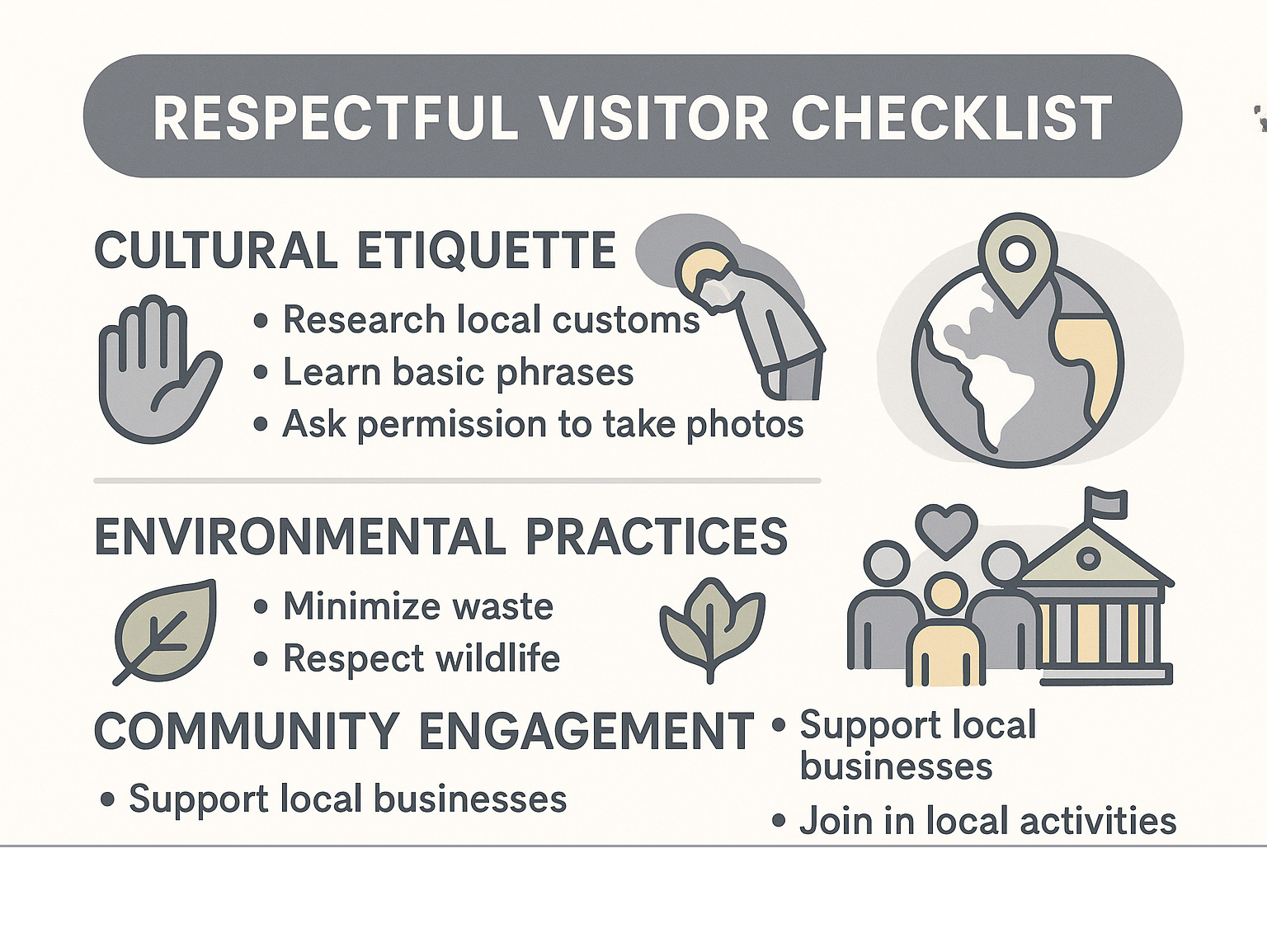
Language connects us in powerful ways. Even learning just a handful of phrases—hello, thank you, please, delicious—can transform how locals perceive your presence. I’ve watched shopkeepers’ faces light up when travelers attempt even broken versions of their language. It signals respect and genuine interest in their culture.
The rise of global tourism has brought both opportunities and challenges to destinations worldwide. In places like Barcelona and Venice, tourism gentrification has transformed neighborhoods, sometimes pushing out locals as prices rise and essential services give way to tourist-focused businesses. As mindful travelers, we can make choices that minimize these negative impacts.
When I travel, I seek out locally-owned guesthouses rather than international chains, eat at family-run restaurants, and hire guides from the community. These choices ensure more of my travel dollars remain in the local economy. I also try to visit during shoulder seasons when possible, reducing the strain of overtourism during peak periods.
Our social media posts wield surprising influence. Before geotagging that perfect “unfinded” beach or village, I consider whether sharing might contribute to overtourism. Some locations simply can’t handle sudden influxes of visitors without damage to their natural or cultural fabric.
Measuring Your Impact
As travelers seeking authentic travel experiences, many of us want to understand whether our presence benefits or burdens the places we visit. While perfect measurement is challenging, we can look at several aspects of our travels to gauge our impact.
When I book accommodations, I consider economic leakage—how much of what I spend actually stays in the community? Locally-owned guesthouses typically keep 80-95% of revenue in the local economy, compared to just 5-10% for some international chains. Those numbers represent real differences in community benefit.
The quality of employment matters too. Do the businesses you patronize provide fair wages and good working conditions? I’ve started asking simple questions like “How long have you worked here?” and “Do you enjoy your job?” to hotel staff and tour guides. Their answers often reveal volumes about a company’s values.
Environmental impact extends beyond the obvious. Yes, air travel creates a significant carbon footprint, but our daily choices at a destination matter too. I look for accommodations with water conservation practices, choose walking or public transportation when possible, and avoid single-use plastics.
Several certification programs can help identify businesses committed to sustainable practices. Look for labels like Rainforest Alliance, Earth Check, and Green Globe when booking accommodations or tours. While not perfect, these certifications indicate businesses that have taken steps toward sustainability.
No travel is impact-free. The goal isn’t perfection but conscious choices that maximize benefits to host communities while minimizing harm. Sometimes the most authentic experiences are also the most sustainable ones.
When Authenticity Turns Harmful
The pursuit of authentic travel experiences sometimes leads us down problematic paths—often without us even realizing it. Being aware of these pitfalls helps us avoid contributing to harmful practices, no matter how “authentic” they might seem.
I’ll never forget witnessing tourists lining up to photograph “long-neck” women in northern Thailand, treating human beings like museum exhibits. Cultural performances can cross into exploitation when they exist solely for tourist consumption, especially when performers receive minimal compensation or respect.
Wildlife tourism presents similar concerns. That elephant ride or tiger selfie might seem like an authentic local experience, but often masks serious animal welfare issues. True authenticity respects the dignity of all living beings—human and animal alike.
Watch for these red flags that might signal problematic “authenticity”:
– Lack of local involvement in planning or profits
– Emphasis on “exotic” or “primitive” aspects of culture
– Visible discomfort among participants
– Pressure to participate despite ethical concerns
– Restrictions on photography (often indicating exploitation)
“Calling something ‘authentic’ without context can cause misunderstandings and foster traveler-centered experiences that don’t reflect locals’ reality,” warns travel columnist JoAnna Haugen. This wisdom reminds us to look beyond marketing labels.
When uncertain about an experience, I ask myself: Who created this experience? Who benefits financially? Would local community members choose to participate if tourists weren’t paying? Being willing to walk away from problematic experiences—even when they’re marketed as “authentic”—is an essential part of responsible travel.
The most meaningful authentic travel experiences emerge from mutual respect, fair exchange, and genuine connection. When both visitors and hosts benefit, authenticity becomes not just a marketing buzzword but a foundation for transformative travel.
Frequently Asked Questions about Authentic Travel Experiences
What’s the quickest way to spot a tourist trap?
Ever walked into a restaurant only to realize you’re surrounded exclusively by other travelers speaking your language? That’s usually your first clue you’ve stumbled into a tourist trap.
Authentic travel experiences often happen far from these carefully designed tourist magnets. The most reliable indicators you’re in a tourist trap include dramatically inflated prices (sometimes 2-3 times what locals pay), staff aggressively trying to pull you in from the sidewalk, and menus featuring generic international dishes with photos designed for pointing rather than reading.
Location is another dead giveaway—establishments sitting directly beside major attractions typically cater to one-time visitors rather than repeat local customers. When you notice a conspicuous absence of residents enjoying the same space, consider it a warning sign.
“The simplest way to avoid tourist traps is to walk just five minutes in any direction away from major landmarks,” suggests veteran traveler Marco Sanchez. “The prices drop, the quality improves, and suddenly you’re having dinner where the locals actually eat.”
For genuinely local recommendations, bypass the hotel concierge (who often receives commissions) and instead chat with maintenance staff, doorpeople, or the breakfast server. These employees typically share their authentic favorites rather than the standard tourist circuit.
Can I have authentic travel experiences on a tight budget?
Here’s some good news for budget travelers: authentic travel experiences are often less expensive than conventional tourism packages. In fact, many of the most meaningful cultural encounters cost very little or nothing at all.
Wandering through local markets, attending community festivals, visiting places of worship during non-service hours, and simply sitting in parks where residents gather—these experiences offer genuine cultural immersion without straining your wallet. Public transportation not only saves money but provides a fascinating window into everyday local life.
For accommodation, family-run guesthouses and verified homestays typically cost less than chain hotels while providing more cultural context and personal connections. In some countries, monastery stays or university dormitories during holiday periods offer unique, affordable options with deep cultural roots.
“The less money I spend traveling, the more authentic my experiences become,” notes budget travel writer Dani Heinrich. “When you can’t afford tourist restaurants, you eat where locals eat. When you take public buses instead of taxis, you meet everyday people. Financial limitations often push you toward more genuine encounters.”
The slow travel approach—spending more time in fewer places—both reduces daily transportation costs and creates opportunities for deeper local connections. By investing time rather than money, budget travelers often enjoy the most authentic experiences of all.
How do I stay safe while venturing off the beaten path?
Seeking authentic travel experiences often means exploring beyond heavily touristed areas, which requires balancing trip with sensible precautions.
Before venturing into less-visited neighborhoods, research thoroughly to understand which areas welcome visitors and which might present safety concerns. Local blogs, recent guidebooks, and community forums can provide current information that generic travel advisories might miss.
Share your daily plans with someone trustworthy—whether that’s your accommodation host or a friend back home. Keep your phone charged with local emergency numbers saved, and learn a few key phrases in the local language, particularly “help” and “where is the police station?”
Dress modestly to blend in rather than standing out as an obvious tourist. Keep valuable items secure in money belts or hidden pouches rather than back pockets or open bags. Most importantly, maintain awareness of your surroundings, especially after dark or in unfamiliar areas.
Technology can significantly improve safety while exploring: offline maps work without data connection, translation apps facilitate communication in emergencies, and location-sharing with trusted contacts provides peace of mind. When using transportation, verified rideshare apps generally offer more security than hailing unknown vehicles.
“The vast majority of destinations are fundamentally safe for travelers who exercise reasonable caution,” explains safety expert Anita Rosenberg. “Often the biggest risks come from preventable situations like traffic accidents or petty theft rather than more serious crimes.”
If you’re feeling uncertain, consider joining a small, locally-led tour for your first venture into less-visited areas. This provides a safety buffer while still offering authentic insights beyond the tourist zones—the perfect introduction to more independent exploration later.
Conclusion
The journey toward authentic travel experiences isn’t just about changing how we travel—it’s about changing why we travel in the first place. When we seek meaningful encounters with different cultures, environments, and perspectives, we come home with more than just photos and souvenirs. We return with expanded worldviews and connections that can last a lifetime.
Throughout this guide, we’ve seen how authenticity in travel creates ripples of positive impact. Those special moments—sharing a meal with a local family, learning traditional crafts from village artisans, or simply wandering through neighborhood markets—become the memories that stay with us longest. They’re the stories we find ourselves telling years later, the experiences that subtly shift how we see the world.
The beauty of authentic travel lies in its mutual benefit. When we step off the tourist conveyor belt, we not only enrich our own lives but also support local economies and help preserve cultural traditions that might otherwise fade away. There’s something profoundly satisfying about knowing your tourism dollars are flowing directly to family businesses and community initiatives rather than distant corporations.
At Soaring in Style, we believe authentic travel represents the future of tourism—a more conscious, connected, and responsible approach to exploring our remarkable world. By embracing the steps we’ve outlined, you can craft journeys that honor both the places you visit and your own desire for meaningful experiences.
Authenticity isn’t a destination you reach but a mindset you carry with you. It’s about approaching each place with openness, genuine curiosity, and respect. Sometimes the most authentic moments happen completely unplanned—when your bus breaks down and locals invite you to tea, when language barriers create unexpected laughter, or when a wrong turn leads to your favorite memory of the trip.
The world has infinite stories to share with those willing to listen, learn, and engage authentically. As you plan your next trip, we invite you to travel with intention and heart. Leave space in your itinerary for the unplanned, the unexpected, and the wonderfully authentic moments that no guidebook can predict.
For more inspiration on blending authentic experiences with comfort and thoughtful luxury, explore our guide to luxury-meets-authentic travel.
Happy authentic travels from all of us at Soaring in Style!