

Why Asia Reigns Supreme for Luxury Hotel Experiences
Luxury hotels in Asia offer something truly special – a perfect blend of ancient traditions and cutting-edge hospitality that you simply can’t find anywhere else in the world.
Top Luxury Hotels in Asia by Destination:
- Japan: Aman Kyoto, Mandarin Oriental Tokyo
- Thailand: Mandarin Oriental Bangkok, Trisara Phuket
- Indonesia: Bvlgari Resort Bali, Amankila
- India: Taj Falaknuma Palace, The Oberoi Amarvilas
- Maldives: Waldorf Astoria Maldives, Patina Maldives
- Hong Kong: The Peninsula Hong Kong, Four Seasons
Asia is home to more than 1,000 luxury hotels, with Travel + Leisure’s 2024 World’s Best Awards featuring over 25 Asian properties in their top global rankings. What makes these hotels extraordinary isn’t just their opulent fixtures – it’s how they create emotional and cultural immersion.
As one guest shared about their stay at Gangtey Lodge in Bhutan: “The welcome song was so powerful it reduced us to tears.” This captures the essence of Asian luxury hospitality – it touches your soul, not just your comfort.
From overwater villas in the Maldives to heritage palaces in India, from zen gardens in Japan to cliff-top retreats in Bali, Asian luxury hotels offer transformative experiences that weave local culture, art, and traditions into every moment of your stay.
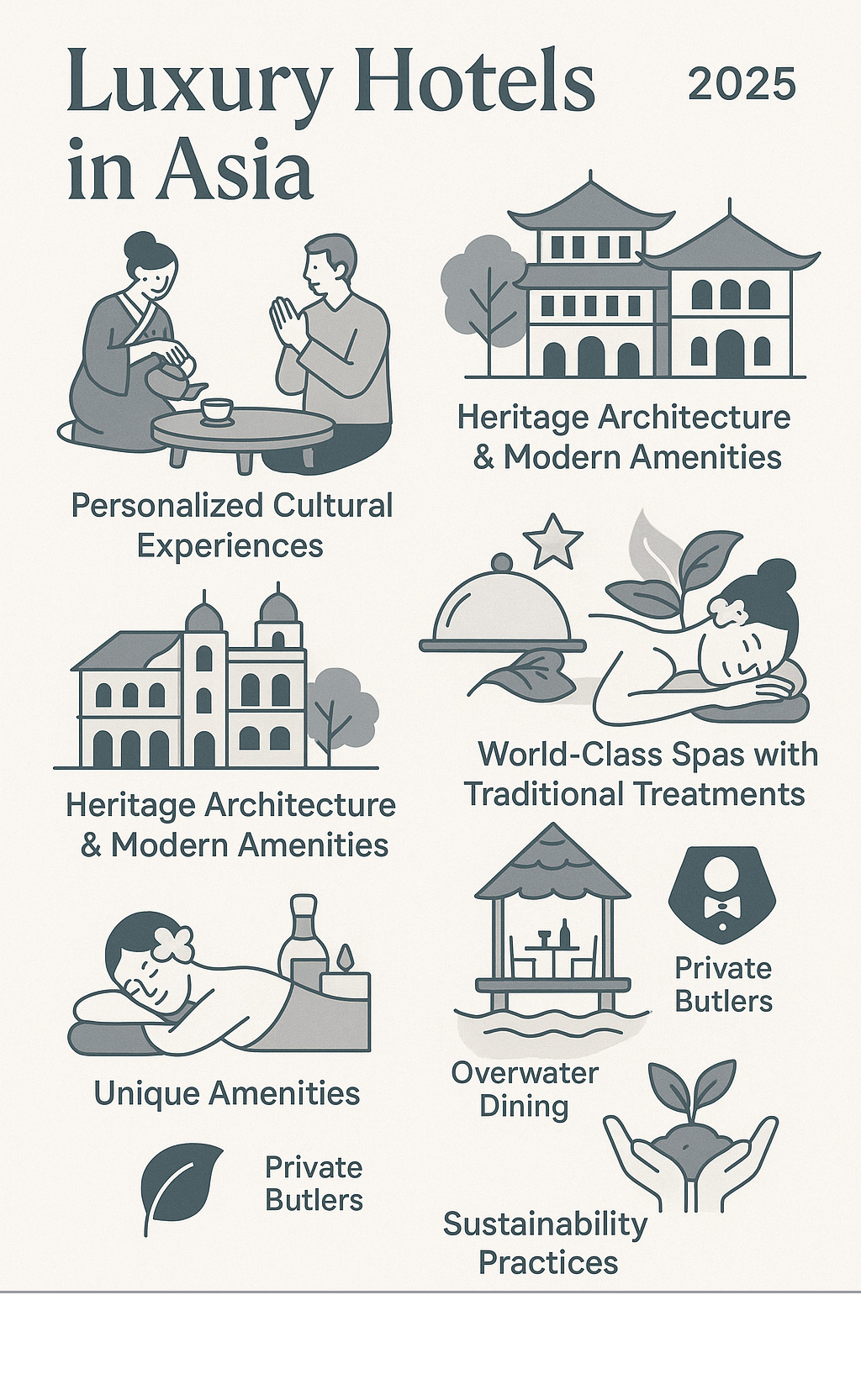
Easy luxury hotels in Asia word list:
What Sets Asian Luxury Stays Apart
There’s something magical that happens when you step into a truly exceptional luxury hotel in Asia – it’s like entering a world where ancient wisdom meets modern sophistication, creating experiences that touch your soul in ways you never expected.
Heritage design forms the heart of what makes these properties so special. The Dwarika’s Hotel in Nepal stands as a living museum, literally built from rescued Newari temple elements where every carved wooden beam whispers stories from centuries past. The Taj Falaknuma Palace in India transforms guests into temporary royalty under magnificent stained-glass domes.
The personalized service at Asian luxury properties goes beyond anything you’ll find elsewhere. At Gangtey Lodge in Bhutan, the manager’s heartfelt welcome song creates such powerful emotional connections that guests regularly find themselves moved to tears during check-in. This isn’t just hospitality – it’s genuine human connection that transforms ordinary moments into treasured memories.
Spa rituals and wellness philosophy run deep in these hotels, drawing from thousands of years of Asian healing traditions. Aman Kyoto’s serene moss gardens and authentic onsen experiences help weary travelers recover from “temple fatigue” while reconnecting with nature’s gentle rhythms. The Mandarin Oriental Bangkok beautifully blends ancient Thai massage techniques with modern wellness science.
Tea ceremonies and sensory dining experiences aren’t afterthoughts here – they’re woven into the very fabric of luxury. At Four Seasons Hong Kong, you can start on curated street food trips sampling dim sum, then return to savor dishes from eight Michelin-starred restaurants all under one roof.
| Asian Luxury Touchpoints | European Luxury Touchpoints |
|---|---|
| Tea ceremony welcome rituals | Champagne greeting service |
| Traditional healing spa treatments | Medical spa technologies |
| Cultural immersion activities | Art and history tours |
| Local craft workshops | Wine tastings and cooking classes |
| Temple blessing experiences | Cathedral and castle visits |
| Personalized cultural guides | Concierge recommendations |
Signature Touches of Luxury Hotels in Asia
The way luxury hotels in Asia weave local culture into every detail is absolutely masterful. These properties don’t simply display art on walls – they become living, breathing galleries where culture comes alive. Mandarin Oriental Tokyo’s “Woods and Water” design concept reflects Japan’s natural landscape throughout every floor.
Art installations serve as beautiful cultural bridges between worlds. The Oberoi Amarvilas features Edith Piaf lyrics painted across a striking red piano in the foyer, creating unexpected connections between French chanson and Indian heritage.
The storytelling architecture speaks volumes about place and purpose. From Bvlgari Resort Bali’s dramatic cliff-side positioning that makes you feel like you’re floating above the ocean, to The Peninsula Hong Kong’s century-old legacy that whispers tales of colonial elegance, each property narrates the unique story of its location and people.
Bucket-List Luxury Hotels in Asia
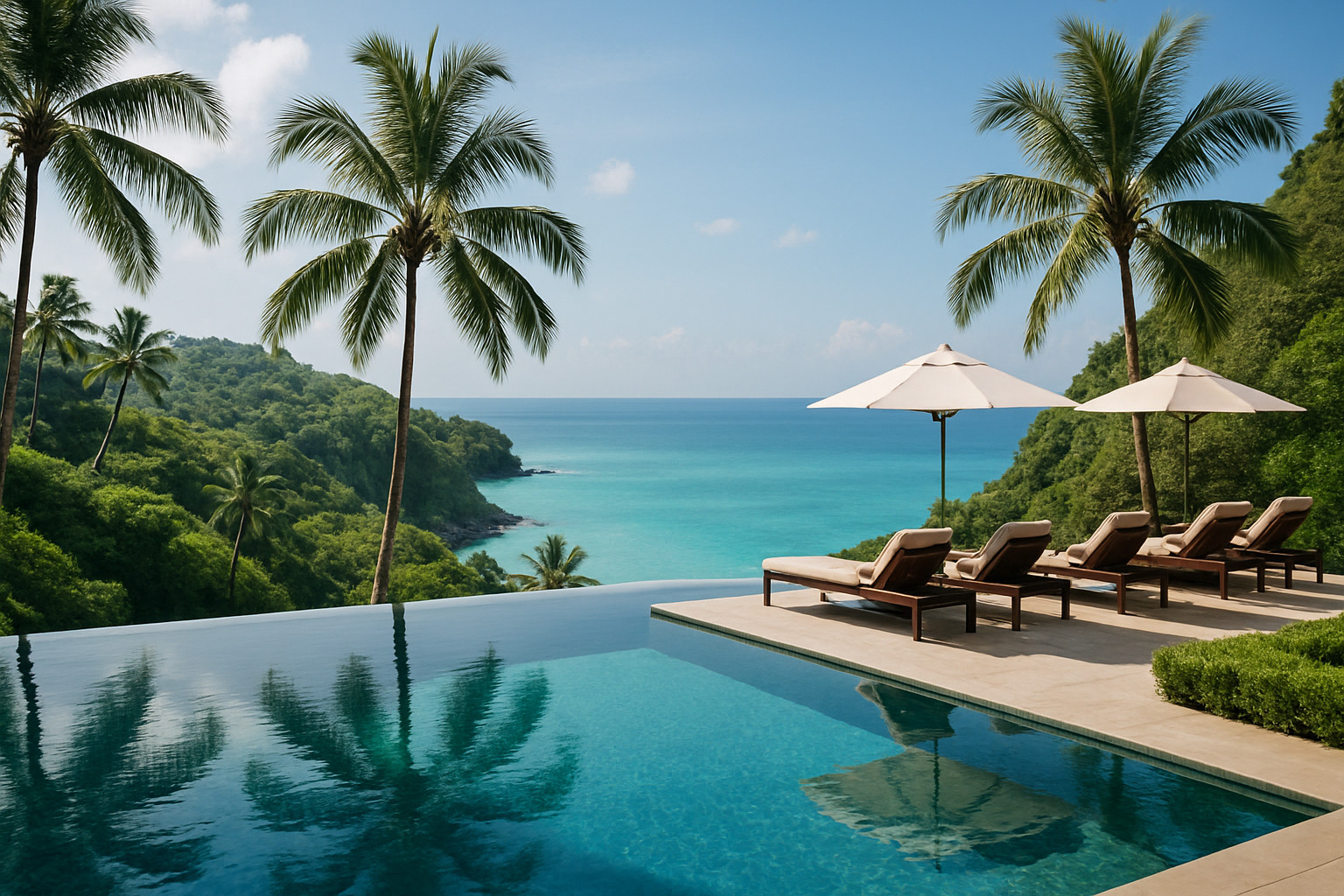
Picture this: you’re floating in an infinity pool that seems to spill right into the Indian Ocean, or perhaps you’re sipping champagne on a private terrace overlooking ancient temples. These aren’t just travel fantasies – they’re everyday moments at Asia’s most extraordinary hotels.
Condé Nast Traveler’s Gold List 2025 features more than 15 Asian properties, proving what savvy travelers already know: Asia is home to the world’s most innovative luxury hotels. Meanwhile, Travel + Leisure winners consistently showcase properties from Indonesia, Thailand, and Japan that are redefining what hospitality excellence means.
What makes these luxury hotels in Asia so special isn’t just their stunning locations. It’s how they blend centuries-old traditions with cutting-edge comfort. Take Trisara in Phuket, which earned a Michelin Green Star for its zero-waste kitchens while maintaining its reputation for world-class service. Or consider The Ritz-Carlton Nikko, just two hours from Tokyo’s hustle, where you can ski pristine slopes then soak in natural hot springs.
The variety is breathtaking. Room rates span from around $150 to $2,675 per night, but the experiences are priceless. Whether you’re drawn to Indonesia’s cliff-top resorts, Thailand’s beachfront icons, Japan’s minimalist city hotels, India’s converted palaces, Bhutan’s mountain lodges, or the Maldives’ famous overwater villas – each offers something you simply can’t find anywhere else.
Luxury Hotels in Asia by Destination
Bangkok pulses with luxury possibilities. The Mandarin Oriental Bangkok has been setting hospitality standards for over a century, while Capella Bangkok offers contemporary elegance along the Chao Phraya River. Four Seasons delivers that perfect blend of urban sophistication and authentic Thai warmth.
Kyoto whispers luxury through understatement. Aman Kyoto lets you book kaiseki dinners at Taka-an, where farm-to-table Japanese cuisine becomes an art form. The city’s finest hotels understand something profound: true luxury often lies in simplicity and connecting with nature’s gentle rhythms.
Bali continues to enchant even the most traveled souls. Bvlgari Resort Bali clings dramatically to cliffsides, while Amankila seems to channel the island’s spiritual energy directly into its design. These properties prove that luxury and environmental consciousness aren’t just compatible – they’re essential partners.
Hong Kong delivers urban luxury that takes your breath away. The Peninsula Hong Kong remains so iconic it’s impossible to imagine the city without it. Four Seasons Hong Kong boasts eight Michelin stars under one roof – the highest concentration in the entire city.
Maldives represents overwater luxury perfected. Waldorf Astoria Maldives Ithaafushi brings in visiting practitioners like Chinese acupuncturists, while Patina Maldives creates sculptural villas so beautiful they’ll make you question whether life could possibly get any better.
Boutique vs International Chains in Luxury Hotels in Asia
Independent gems across Asia offer something international chains sometimes struggle to match: authentic local soul. These design-led stays don’t just follow global luxury formulas – they create entirely new ones rooted in place and culture.
The beauty of boutique properties lies in their passion. Each owner genuinely loves their corner of Asia and wants to share it with you. You’ll find experiences that feel impossibly personal – maybe it’s learning traditional weaving techniques in a Bhutanese village or joining a family recipe cooking class in rural Thailand.
Global brands bring their own magic though. Think established loyalty programs, consistent service standards, and amenities that work seamlessly across continents. The Peninsula’s direct booking benefits include flexible check-in times and their innovative PenChat service for 24-hour contactless concierge support.
For travelers craving intimate, culturally immersive experiences, boutique beach resorts often provide connections that larger chains simply can’t replicate.
Immersive Amenities & Signature Experiences
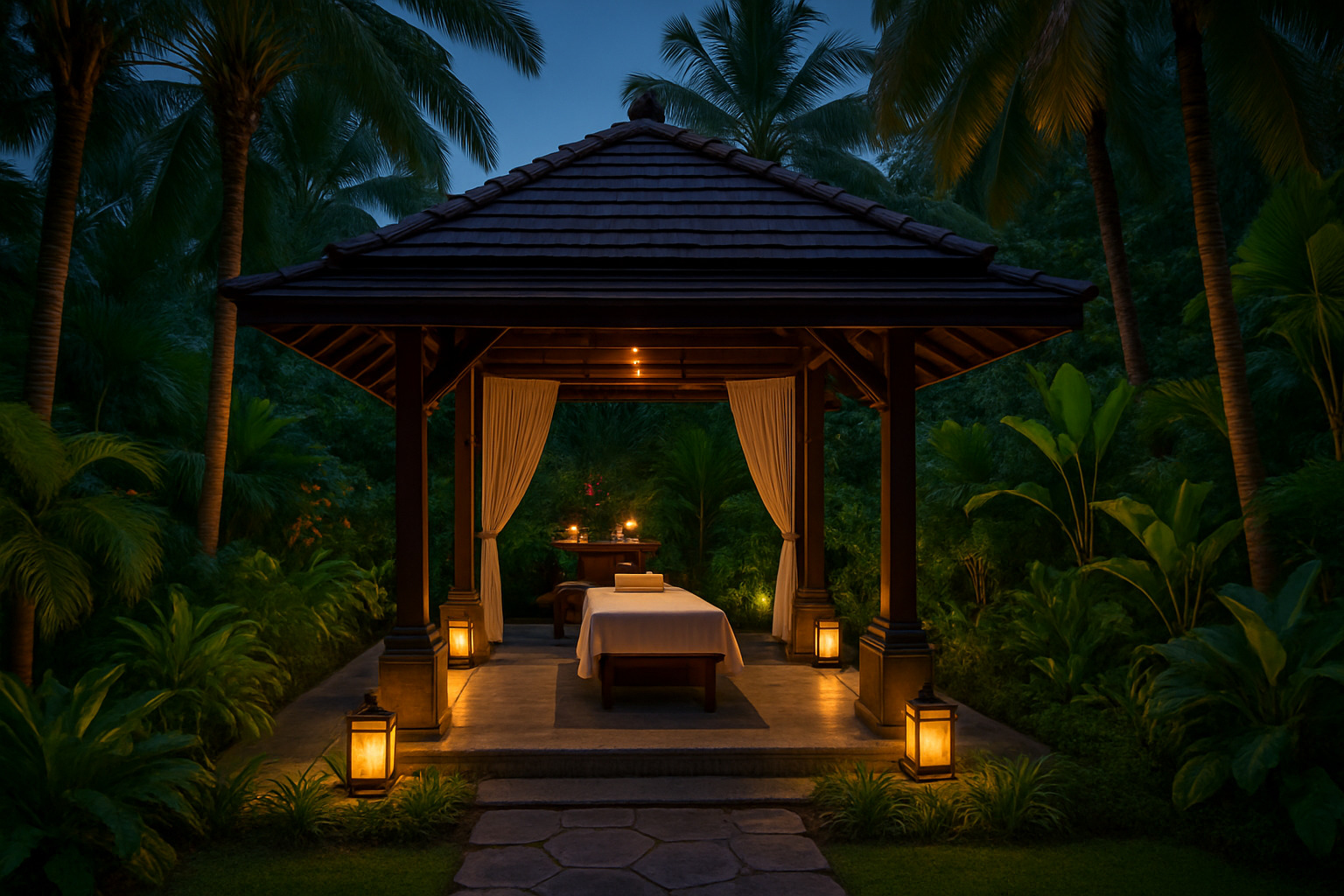
What truly sets luxury hotels in Asia apart isn’t just their beautiful rooms – it’s the incredible experiences that make you feel like you’ve stepped into another world entirely.
Imagine having a private butler who somehow knows you’d love a cup of jasmine tea before you even realize you’re thirsty. These aren’t just staff members – they’re cultural storytellers who become your personal guides to local traditions and hidden gems.
The Michelin dining scene across Asia’s luxury hotels is absolutely mind-blowing. At Mandarin Oriental Tokyo, you’ll find 12 unique restaurants and bars, with 10 perched on the top floors so you can watch the city twinkle below while enjoying world-class cuisine.
For trip lovers, properties like SUJĀN Jawai in India offer something truly special – you can actually go on wildlife safaris to track leopards in the morning, then return to your luxury tent for spa treatments in the afternoon.
Japan’s onsen baths represent pure magic. At Aman Kyoto, soaking in natural hot springs surrounded by moss gardens helps wash away all your stress while connecting you to centuries of Japanese wellness wisdom.
The Ayurvedic healing and yoga retreats available at many Asian luxury hotels go far beyond a simple massage. These properties now offer wellness residencies with certified experts who focus on helping you feel truly renewed from the inside out.
How Luxury Hotels in Asia Weave In Local Culture
The most memorable luxury hotels don’t just show you local culture – they invite you to become part of it. At The Dwarika’s Hotel, you can join craft workshops where local artisans teach you traditional Newari building techniques while sharing stories about the rescued temple elements that make up the hotel itself.
Farm-to-table experiences here tell complete stories. Trisara’s Michelin Green Star restaurant doesn’t just serve incredible food – they show you their zero-waste kitchens and introduce you to the local farmers who grow your dinner.
Many properties also offer temple blessings and cultural ceremonies that add deep meaning to your stay. These aren’t tourist shows – they’re authentic spiritual experiences that local communities have practiced for generations.
Stand-Out Services Only Found in Luxury Hotels in Asia
Some services you’ll find at luxury hotels in Asia simply don’t exist anywhere else in the world. The Peninsula’s 24-hour PenChat service lets you arrange everything through your phone – no awkward phone calls or waiting at the concierge desk.
Floating breakfasts in overwater villas have become famous on social media, but experiencing one in person is pure magic. Picture yourself enjoying fresh tropical fruit while fish swim beneath your feet and the ocean stretches endlessly around you.
At mountain retreats like Gangtey Lodge, jungle “silent zones” offer something incredibly rare – complete peace from our noisy, connected world. The profound stillness becomes its own form of luxury, especially when you’re surrounded by breathtaking natural beauty.
Sustainability & Future Trends in Asian Luxury Hospitality
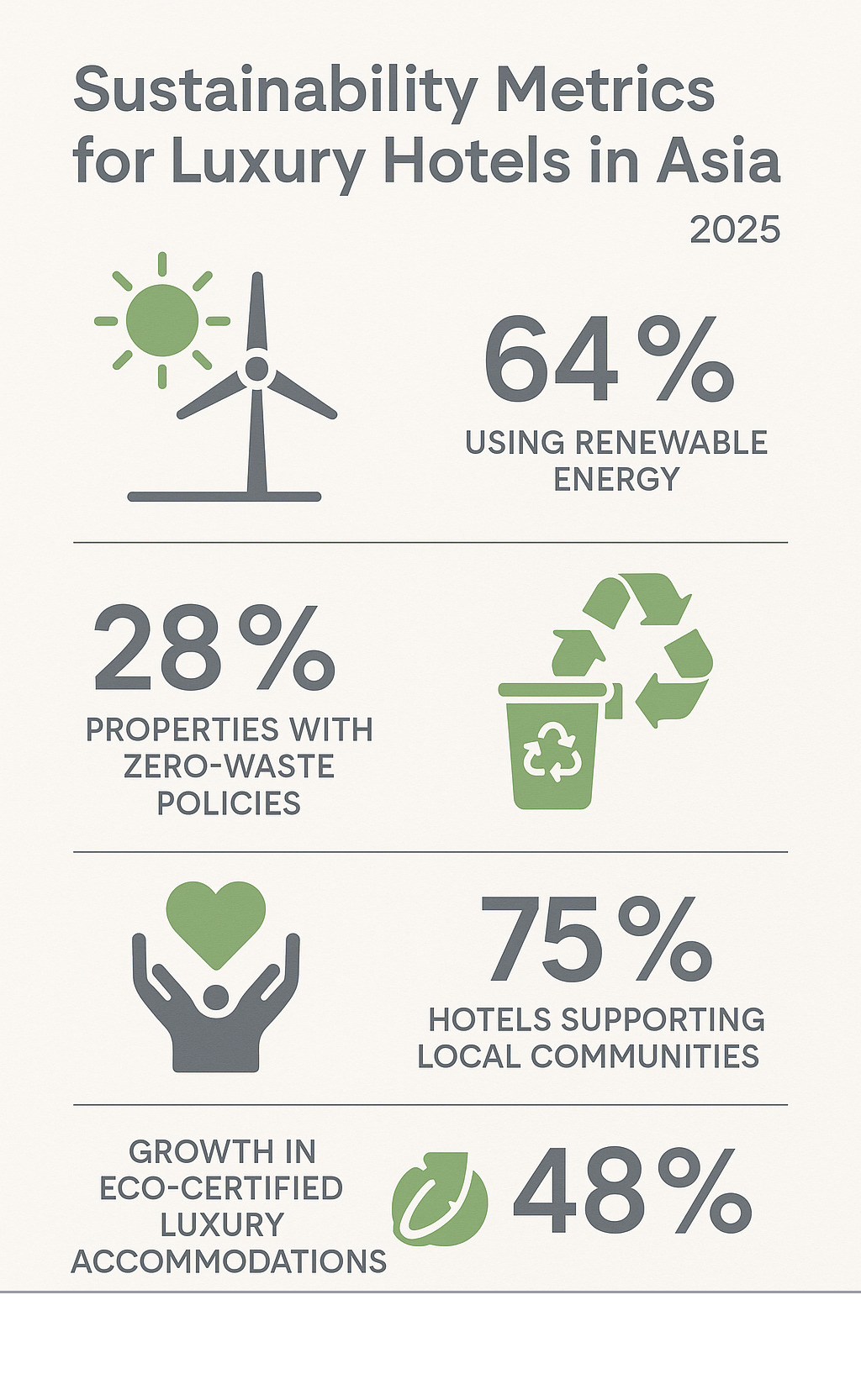
The future of luxury hotels in Asia is being written in bamboo, powered by renewable energy, and rooted in community partnerships. What’s remarkable is how these properties prove that caring for the planet actually improves the luxury experience rather than compromising it.
Zero-waste kitchens are leading this revolution. Trisara’s Michelin Green Star recognition shows that environmental consciousness and world-class dining make perfect partners. Their chefs work with local farmers to create menus that celebrate regional flavors while eliminating food waste.
Bamboo architecture is changing how luxury properties blend with their surroundings. This sustainable material grows incredibly fast and creates stunning visual effects when used by skilled architects. Properties across Asia are finding that bamboo structures offer better natural cooling and create more intimate connections with nature.
The biophilic design trend goes beyond adding a few plants to lobbies. Modern luxury hotels integrate living walls, natural water features, and organic shapes that make guests feel like they’re part of the landscape. This approach reduces stress and creates the kind of restorative experiences that define true luxury.
Reef restoration programs in the Maldives show how vacation activities can help heal our oceans. Guests can participate in coral planting sessions, learning about marine ecosystems while contributing to their recovery.
Community tourism ensures that luxury travel benefits local families and traditions. Properties work directly with artisan workshops, local guides, and family-run farms to create authentic experiences that support entire communities.
Wellness residencies represent the evolution of spa culture into comprehensive health programs. Instead of single treatments, guests can book week-long programs with certified experts focusing on nutrition, movement, and mental wellbeing.
Tech-enabled personalization allows hotels to remember guest preferences while maintaining the warm human connections that define Asian hospitality. Smart room systems adjust lighting and temperature automatically, while staff focus on creating meaningful personal interactions.
Responsible Luxury: Case Studies
Trisara’s journey to earning a Michelin Green Star demonstrates how sustainability can lift dining experiences. Their zero-waste kitchen practices include composting programs, local sourcing partnerships, and creative menu planning that uses every part of ingredients.
Plastic-free policies are becoming standard across Asia’s finest properties. Hotels provide beautiful refillable water bottles, bamboo amenities, and glass containers that guests often take home as souvenirs.
Carbon offset packages make it easy for conscious travelers to neutralize their travel impact. Many properties now include these offsets in their standard rates rather than charging extra fees.
For travelers who want luxury experiences that support environmental protection, eco-friendly luxury hotels offer exceptional comfort while contributing to conservation efforts. Research from the World’s Best Summit shows that sustainable tourism practices actually improve guest satisfaction scores while protecting the destinations we love to visit.
Smart Booking Hacks & Insider Deals
Getting the best deals on luxury hotels in Asia isn’t just about finding the lowest price – it’s about open uping experiences and perks that make your stay truly exceptional. The secret lies in knowing where to look and how to book smartly.
Direct booking benefits often provide the most value at luxury properties, even if the initial rate seems higher. The Peninsula’s direct booking program is a perfect example – guests receive flexible check-in and check-out times, exclusive rates, and full on-the-ground support that third-party booking sites simply can’t match.
Many travelers don’t realize that flexible check-in policies at luxury hotels can save both time and money. Properties like Four Seasons Hong Kong treat personalized arrival and departure times as standard amenities for direct bookings, not expensive add-ons.
The world of secret flash sales and members-only rates can open up incredible savings if you know where to look. Design Hotels regularly offers community deals with discounts ranging from 25% to 50% on select properties across Asia.
Travel advisors remain one of the best-kept secrets for luxury hotel bookings. Their established relationships with properties often result in exclusive perks and room upgrades that aren’t available through online platforms.
For travelers seeking unique accommodations, a unique collection of boutique stays provides access to independently owned luxury properties that offer authentic local experiences alongside exceptional service.
How to Open up Exclusive Perks at Luxury Hotels in Asia
The key to open uping exclusive perks at luxury hotels in Asia often lies in understanding the systems that hotels use to recognize and reward valued guests. It’s not about spending the most money – it’s about being strategic with your loyalty and booking choices.
Luxury credit cards can be game-changers for frequent travelers. Many provide automatic elite status with hotel loyalty programs, instantly open uping perks like room upgrades, late checkout, and complimentary breakfast.
Loyalty program tiers at international chains provide escalating benefits that make each stay better than the last. Higher tiers often include guaranteed room upgrades, suite access, and personalized concierge services.
Virtuoso travel advisors operate in a different league entirely. Their industry relationships provide access to exclusive amenities at luxury properties – spa credits, dining vouchers, and room upgrades that aren’t available through standard booking channels.
Keep an eye out for secret promo codes shared through hotel newsletters and social media. Following your favorite luxury hotels often reveals flash sales and member-only deals that can provide substantial savings.
Matching Luxury Hotels in Asia to Traveler Types
Not all luxury experiences are created equal, and the best luxury hotels in Asia understand that different travelers seek different types of exceptional experiences.
Couples retreats find their sanctuary in properties like Aman Kyoto, where moss gardens and onsen experiences create intimate connections with both nature and each other.
Multi-generational families need properties that can satisfy everyone from grandparents to teenagers. Four Seasons Hong Kong excels at this challenge, offering diverse dining options and activities that appeal to different age groups.
Business elites require properties that understand the demanding nature of corporate travel. Mandarin Oriental Tokyo has earned Forbes Travel Guide five-star ratings for ten consecutive years by consistently delivering the business amenities and reliable service standards that discerning business travelers demand.
Solo seekers often find their perfect match at properties like The Upper House in Hong Kong, where the residential “house” concept creates intimate, home-like experiences.
For families planning luxury getaways, best luxury hotels for families offers carefully curated recommendations that balance sophisticated adult amenities with engaging family-friendly experiences.
Frequently Asked Questions about Luxury Hotels in Asia
What defines a “luxury” hotel experience in Asia?
Luxury hotels in Asia create something magical that goes far beyond marble bathrooms and Egyptian cotton sheets. What makes these properties truly special is how they touch your heart and connect you with the soul of their destination.
Think about it – when was the last time a hotel check-in moved you to tears? At Gangtey Lodge in Bhutan, the manager’s traditional welcome song does exactly that. This isn’t just hospitality; it’s a genuine human connection that transforms your arrival into an unforgettable moment.
The real luxury lies in cultural immersion that feels authentic, not staged. The Dwarika’s Hotel in Nepal literally incorporates rescued temple elements into its architecture, so you’re sleeping within centuries of history. At Taj Falaknuma Palace, you might find yourself celebrating a birthday with a private flute serenade under a magnificent stained-glass dome.
Asian luxury hotels master the art of treating you like a cherished friend rather than just another guest. They anticipate your needs before you even realize you have them, creating experiences that resonate with all your senses.
How do boutique properties compare with large chains?
The choice between boutique properties and international chains really comes down to what kind of experience speaks to your travel soul. Boutique hotels in Asia offer something beautifully authentic – genuine local immersion that larger properties sometimes struggle to match.
Independent properties often feel more like staying with passionate local hosts who truly love their corner of the world. The owners of these boutique gems are deeply connected to their communities and eager to share insider knowledge about local culture, hidden temples, or the best street food spots.
These intimate properties excel at creating unique experiences. You might find yourself learning traditional craft techniques from local artisans, joining family-style meals with other guests, or finding secret viewpoints that only locals know about.
International chains bring their own compelling advantages, though. They offer consistency you can count on, established loyalty programs that provide real value, and innovative services that boutique properties might not have the resources to offer.
When is the best time to score deals on five-star Asian stays?
Getting the best value on luxury hotels in Asia requires a bit of strategy, but the savings can be substantial. The secret often lies in booking directly with properties rather than through third-party websites.
Direct booking frequently open ups the best rates plus valuable perks that booking sites simply can’t offer. Many luxury hotels provide exclusive amenities like room upgrades, dining credits, flexible check-in times, and spa vouchers exclusively to guests who book directly with them.
Timing plays a crucial role in finding great deals. Shoulder seasons – those sweet spots between peak tourist periods and low seasons – often offer the perfect combination of pleasant weather and reasonable rates.
Keep an eye on hotel newsletters and social media accounts for flash sales. Some properties offer impressive discounts ranging from 25% to 50% during promotional periods.
Working with experienced travel advisors can open doors to exclusive perks and rates that aren’t available anywhere else. Their industry relationships often translate into complimentary spa treatments, dining vouchers, and room upgrades that can add hundreds of dollars in value to your stay.
Conclusion
Luxury hotels in Asia represent something far more precious than beautiful rooms and exceptional service – they’re gateways to experiences that change how you see the world and yourself. From that unforgettable welcome song at Gangtey Lodge that moves guests to tears, to savoring world-class cuisine under the eight Michelin stars at Four Seasons Hong Kong, these properties understand that real luxury creates lasting memories in your heart.
Throughout our exploration, we’ve finded how Asian luxury hospitality masters the art of blending timeless opulence with deep cultural immersion. Whether you’re finding peace in Kyoto’s zen gardens, tracking leopards on an Indian safari, or floating above crystal-clear waters in the Maldives, these hotels craft experiences that stay with you long after you’ve returned home.
What excites us most about the future of luxury hotels in Asia is how they’re embracing responsible travel without sacrificing an ounce of magic. Trisara’s Michelin Green Star proves that caring for our planet and indulging in luxury can go hand in hand – creating travel experiences that feel good in every possible way.
At Soaring in Style, we believe the best luxury travel opens your mind while treating our world with respect. These incredible Asian properties show us that true luxury isn’t just about what you receive – it’s about the positive connections you make with places, people, and cultures along the way.
Ready to start planning your own transformative journey? Our guide to luxury holiday destinations offers even more Soaring in Style inspiration for creating travel experiences that matter. Because when you choose luxury hotels in Asia that value both excellence and responsibility, you’re not just taking a vacation – you’re becoming part of a movement toward more meaningful travel.