

The Rise of Conscious Luxury: Understanding Sustainable Hotel Reviews
Sustainable hotel reviews are specialized evaluations that assess accommodations based on their environmental practices, social responsibility, and overall ecological footprint. For travelers seeking eco-friendly stays without sacrificing comfort, these reviews provide crucial guidance.
| Quick Guide to Sustainable Hotel Reviews |
|---|
| 1. Look for third-party certifications (LEED, Green Key, BREEAM) |
| 2. Check energy sources (solar, hydroelectric, geothermal) |
| 3. Verify water conservation (rainwater harvesting, low-flow fixtures) |
| 4. Examine waste management (composting, recycling, plastic-free) |
| 5. Assess community engagement (local hiring, fair wages, cultural preservation) |
The hospitality industry accounts for roughly 1% of global carbon emissions, with individual hotels generating significant environmental impacts through energy use, water consumption, and waste production. Yet a new wave of sustainable properties is reimagining luxury travel through innovative eco-design and responsible operations.
As buildings currently contribute to 45% of greenhouse emissions in the United States alone, the choices we make about where to stay have real environmental consequences. The good news? Extraordinary sustainable hotels are emerging worldwide that prove luxury and responsibility can beautifully coexist.
From Populus Hotel in Denver, which has planted more than 70,000 trees to offset its carbon footprint, to Soneva Fushi in the Maldives, which operates at 100% carbon neutrality while conducting coral restoration, these properties demonstrate that sustainability can improve rather than detract from the guest experience.
“You don’t have to leave the planet to explore new worlds,” as one sustainable hospitality group puts it—a sentiment that captures the essence of modern eco-luxury.
Whether you’re planning a beachfront escape, urban trip, or wilderness retreat, understanding how to interpret sustainable hotel reviews will help you make choices aligned with both your values and desire for exceptional experiences.
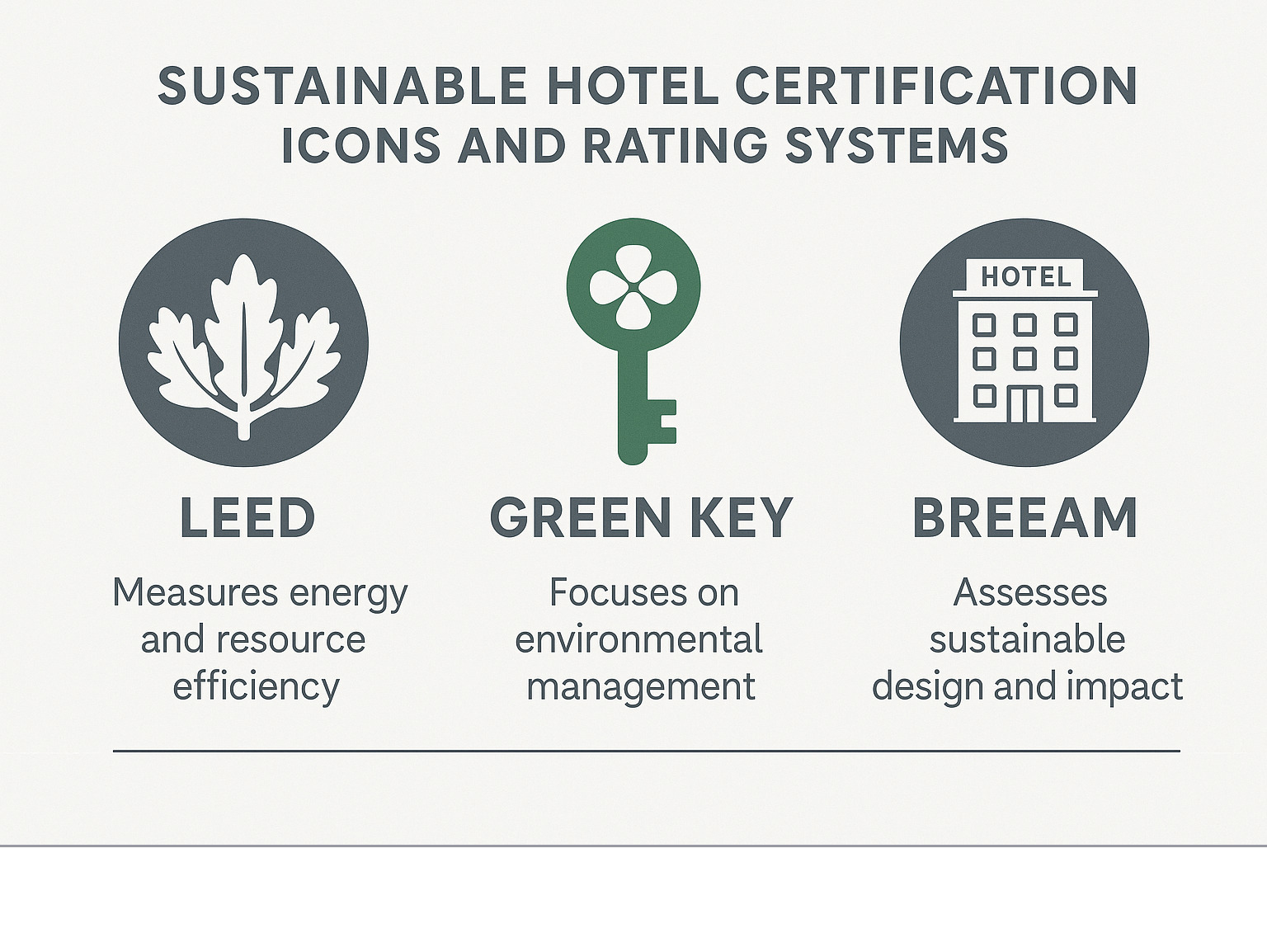
Key terms for sustainable hotel reviews:
Why Read This Guide?
If you’re searching for eco-friendly accommodations, you’re not alone. The demand for planet-positive travel options has skyrocketed in recent years, with more travelers prioritizing sustainability alongside comfort and convenience. This guide will help you:
- Understand what truly makes a hotel sustainable beyond marketing claims
- Learn how to interpret sustainable hotel reviews and avoid greenwashing
- Find standout eco-properties across different global regions
- Gain practical tools to verify sustainability claims during your stay
- Participate in meaningful conservation initiatives as a guest
At Soaring in Style, we believe responsible tourism isn’t just a trend—it’s the future of travel. This comprehensive guide represents our commitment to helping you make informed choices that align with both your values and vacation dreams.
What Makes a Hotel Truly Sustainable?
Sustainability in hospitality goes far beyond those little cards asking you to reuse your towels. True eco-champions accept what insiders call the “triple bottom line” – balancing environmental impact, social responsibility, and economic viability in every decision they make.
A genuinely sustainable hotel thinks holistically, considering its footprint from the first architectural sketch to how guests experience the property years later. The most forward-thinking places aren’t just trying to do less harm (sustainability) – they’re actively working to make things better (regenerative travel).
As celebrated sustainable hotel designer Bill Bensley beautifully puts it: “Luxury and sustainability can coexist beautifully—in fact, they improve one another when done right.”
Construction & Materials
The sustainability story begins long before you ever slide your key card into the door. Truly eco-conscious hotels make thoughtful choices from day one:
Those stunning bamboo structures at Bambu Indah in Bali aren’t just Instagram-worthy – they showcase a rapidly renewable material that actually removes carbon from the atmosphere and can be harvested without killing the plant.
Walking through 1 Hotel Brooklyn Bridge, your hand might trace across a wall made from water tower wood or floors crafted from demolished buildings nearby. These reclaimed materials tell a story while giving resources a beautiful second life.
Even concrete, traditionally an environmental villain, is getting greener. Populus Hotel in Denver uses innovative EcoPact concrete that generates 30% less carbon emissions than standard mixes – proving that even city properties can make significant improvements.
| Building Material | Carbon Footprint (kg CO2/kg) | Renewability | Lifespan (years) |
|---|---|---|---|
| Bamboo | -0.82 (carbon negative) | 3-5 years | 30-50 |
| Reclaimed Wood | 0.45 | Reuse | 50-100+ |
| Standard Concrete | 0.14 | Non-renewable | 50-100 |
| Low-Carbon Concrete | 0.09 | Non-renewable | 50-100 |
| Steel | 1.46 | Recyclable | 50-100 |
Perhaps most impressive are properties like Adrère Amellal in Egypt, where traditional building techniques naturally regulate temperature without air conditioning – even in desert heat. Or Bawah Reserve in Indonesia, built entirely without heavy machinery to protect the fragile ecosystem, with materials carried by hand.
Energy & Water Systems
Behind the scenes, the systems powering truly sustainable hotels work overtime to minimize resource consumption:
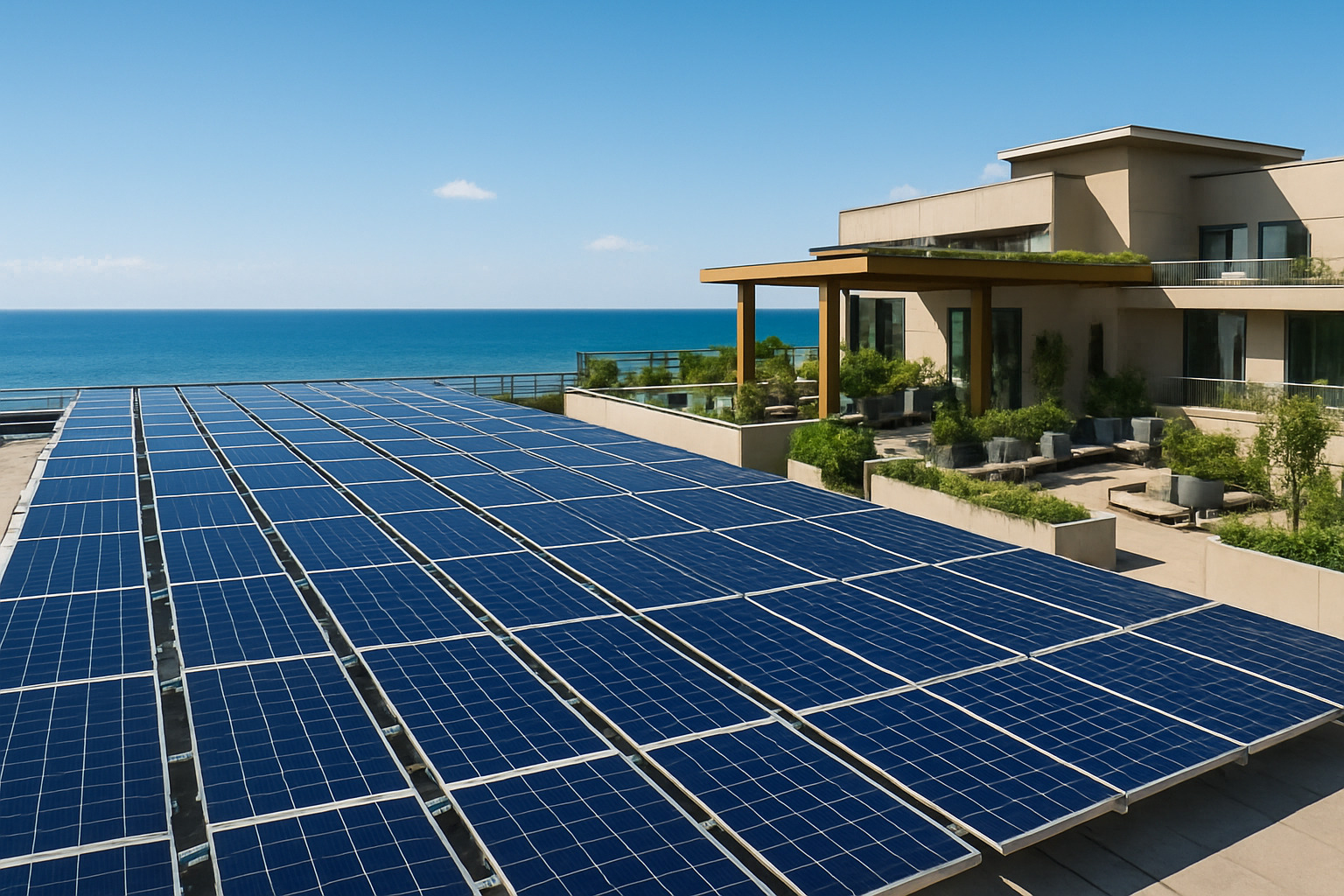
Solar panels glisten on the rooftops of Six Senses Ibiza and Nayara Bocas Del Toro, while Crowne Plaza Copenhagen Towers generates 10% of its electricity through solar and uses 70% less energy than comparable properties. Not just token efforts – these are substantial investments in renewable energy.
Beneath the surface, ECOINN Hotel in Germany taps into groundwater for heating and cooling, dramatically reducing energy needs compared to traditional HVAC systems. Meanwhile, Sal Salis in Australia accomplishes the seemingly impossible – limiting guests to just 20 liters of water daily (about 5% of industry averages) while still providing a luxury experience.
The coming Svart Hotel in Norway represents the future – designed to save 85% of annual energy consumption compared to modern hotels and producing more energy than it uses over its lifetime.
Water-conscious properties like Song Saa Private Island in Cambodia collect rainwater for gardens while treating and recycling 100% of wastewater – closing the loop on this precious resource.
Food, Waste & Biodiversity
A hotel’s relationship with its surrounding environment and local food systems reveals its true commitment to sustainability:
When you dine at The Pig at Combe in the UK, that tomato on your plate likely came from their kitchen garden or a farm within 25 miles – dramatically reducing food miles while supporting local producers. Meanwhile, 1 Hotels designs menus specifically to minimize food waste, with some locations diverting over 90% of waste from landfills through comprehensive composting.
Beyond their walls, the best properties actively regenerate ecosystems. Soneva Fushi doesn’t just avoid harming coral reefs – they actively restore them. Wilderness Bisate Reserve in Rwanda has planted over 100,000 trees, changing former agricultural land back into vibrant wildlife habitat.
Leading hotels have moved beyond recycling to completely eliminating single-use plastics, replacing them with refillable dispensers, glass bottles, and truly biodegradable alternatives. Properties like Pench Tree Lodge in India maintain wildlife corridors through their grounds, ensuring animals can move freely through the landscape.
The most innovative hotels transform “waste” into resources – like Whitepod Eco-Luxury Resort in Switzerland, whose distinctive geodesic dome design requires 30% less energy while creating an unforgettable guest experience.
For deeper insights into these practices, our guide to Eco-Friendly Hotel Practices offers additional examples and inspiration.
Certifications & Standards
With “greenwashing” increasingly common, third-party certifications help separate genuine sustainability leaders from clever marketers:
LEED (Leadership in Energy and Environmental Design) certification provides a comprehensive assessment of building efficiency, water conservation, and material selection. BREEAM offers similar verification with roots in the UK system.
For operational excellence, look for Green Key certification, an international eco-label awarded to accommodations that demonstrate ongoing sustainable practices. The Global Sustainable Tourism Council (GSTC) sets the gold standard for tourism sustainability globally.
Broader certifications like B Corp verify that businesses meet rigorous standards across all aspects of social and environmental performance. Even booking platforms are helping – Booking.com’s Travel Sustainable Badge identifies properties implementing verified sustainable practices.
When reading sustainable hotel reviews, these certifications offer objective verification of environmental claims. Smaller, independent hotels may implement excellent practices without formal certification due to cost barriers – so look beyond the labels to understand their actual commitments.
Sustainable Hotel Reviews: Methodology & Criteria
At Soaring in Style, we believe sustainable hotel reviews should feel as refreshing as the eco-friendly properties they describe. We’ve crafted an approach that’s thorough yet accessible, helping you see beyond the glossy brochures to what really matters.
How We Compile Sustainable Hotel Reviews
When we evaluate a property for our sustainable hotel reviews, we don’t just skim the surface—we dive deep into what makes a hotel truly green:
We start by gathering the facts from sustainability reports and environmental policies, but that’s just the beginning. Whenever possible, our team members pack their bags and experience these properties firsthand. There’s simply no substitute for seeing those solar panels gleaming in the sunlight or feeling the difference in a room built with natural materials.
“I remember visiting a hotel that claimed to be ‘plastic-free’ only to find dozens of single-use toiletry bottles in my bathroom,” shares one of our reviewers. “That’s why we believe in verifying everything we can with our own eyes.”
We don’t take a hotel’s word for it, either. We consult independent environmental audits and certification documents to separate genuine commitments from clever marketing. And because sustainability isn’t just about what happens behind the scenes, we analyze feedback from real guests to understand how green initiatives improve or affect their stays.
A truly comprehensive sustainable hotel review considers the property’s entire lifecycle—from the materials used in construction to daily operations and future renovation plans. We also recognize that sustainability looks different in a water-scarce desert resort than in a rainforest lodge, so we always evaluate efforts within their local environmental context.
Key Metrics Scored in Our Sustainable Hotel Reviews
When you read our sustainable hotel reviews, you’ll find we evaluate properties across several dimensions that matter most:
Energy intensity sits at the top of our list—we look at how much energy the hotel uses per guest and what percentage comes from renewable sources. A property powered by solar panels and designed for natural ventilation will naturally score higher than one relying solely on coal-powered electricity.
Water management is equally crucial, especially in drought-prone regions. We examine consumption per guest, rainwater harvesting capabilities, and how wastewater gets treated and possibly reused.
We’re particularly impressed by properties with strong waste diversion programs. The best hotels are approaching zero-waste operations, with some diverting over 90% of their waste from landfills through thoughtful recycling and composting systems.
Beyond these environmental metrics, we assess local economic impact by looking at hiring practices and community investment. Hotels that employ primarily local staff and purchase from nearby producers create a ripple effect of positive change.
We also evaluate biodiversity protection, cultural preservation, and how effectively the property engages guests in sustainability without compromising comfort. After all, the most sustainable initiatives are those that improve rather than detract from your experience.
Transparency scores heavily in our reviews too—we appreciate hotels that honestly communicate both their achievements and challenges. And finally, we celebrate innovation, highlighting properties that pioneer new approaches that might shape the industry’s future.

Innovation Spotlight
Some visionary properties are completely reimagining what sustainable hospitality can be:
Have you heard about the Svart Hotel being built in Norway? This marvel of engineering is designed to produce more energy than it consumes over its lifetime—a true energy-positive building that will generate its own power through solar panels and innovative design elements.
In Denver, Populus Hotel is incorporating mycelium (mushroom) leather alternatives in its decor, showcasing how biomaterials can replace traditional, resource-intensive options while adding unique aesthetic appeal.
I’m particularly fascinated by Whitepod’s geodesic domes in Switzerland. These distinctive structures aren’t just Instagram-worthy—they use 30% less energy than conventional buildings because their shape maximizes heating efficiency while minimizing materials.
Some forward-thinking hotels now offer digital carbon dashboards where both management and curious guests can monitor real-time energy use, water consumption, and carbon emissions. It’s accountability and education wrapped into one neat technological solution.
Perhaps most impressive are the closed-loop systems at properties like Song Saa Private Island, where nothing goes to waste—organic matter becomes compost for gardens that then supply the restaurant with fresh ingredients for your dinner.
These innovations represent the exciting future of sustainable hospitality, where environmental responsibility improves rather than compromises luxury and comfort. For the latest research on carbon-positive hotels, visit Populus Denver.
Regional Standout Eco-Stays Around the Globe
Sustainable hospitality looks dramatically different depending on where you are in the world. From bamboo treehouses to ice hotels, these properties showcase how sustainable hotel reviews celebrate innovation that’s perfectly adapted to local environments and cultures. Let’s explore some of the most inspiring eco-stays across different continents.
Asia-Pacific Highlights
The Asia-Pacific region has become a hotbed for sustainable luxury that works in harmony with tropical ecosystems:
Bambu Indah in Bali isn’t just a hotel—it’s a living testament to sustainable architecture. Created by jewelry designer John Hardy, this magical retreat features hand-crafted bamboo structures that seem to float above the jungle. Guests wake to the sounds of the Ayung River while swimming in natural pools filtered by plants instead of chemicals. The property invites visitors to join river cleanups and try their hand at traditional rice farming, creating meaningful connections to the land.
Buahan, a Banyan Tree Escape takes the concept of indoor-outdoor living to its logical conclusion with its “no walls, no doors” concept. These open-air “bales” immerse guests in Bali’s lush landscape while maintaining privacy and luxury. The property embodies the Balinese philosophy of Tri Hita Karana—harmony between humans, nature, and spirituality—in every aspect of its operations.
Song Saa Private Island in Cambodia demonstrates how luxury and conservation can work hand-in-hand. Built using materials reclaimed from local fishing industry waste, this resort established Cambodia’s first marine reserve and runs extensive conservation programs. The property achieves 100% wastewater recycling and transforms food scraps into garden fertilizer, creating a nearly closed-loop system.
Other standouts include COMO Laucala Island in Fiji, which achieves 86% self-sufficiency through its own farms and gardens, and Soneva Fushi in the Maldives, which operates at 100% carbon neutrality while turning waste glass into beautiful art at its on-site glass studio.
For a deeper look at bamboo architecture and sustainable luxury, visit Bambu Indah, where you can see how traditional materials create extraordinary spaces.
Europe’s Green Leaders
Europe’s sustainable properties often showcase cutting-edge technology alongside traditional wisdom:
The soon-to-open Svart Hotel in Norway will be the world’s first energy-positive hotel—a true marvel of sustainable engineering. Its distinctive circular design, inspired by traditional fishing structures, maximizes solar energy capture while minimizing heat loss. The building will actually harvest more solar energy than it needs for both operations and the energy used during construction.
Whitepod Eco-Luxury Resort in Switzerland has become iconic for its geodesic dome accommodations that blend into the snow-covered landscape. These innovative structures require 30% less energy than conventional buildings, while wood-pellet stoves provide cozy warmth using renewable fuel. The resort’s locally-sourced food completes the sustainability picture.
In urban settings, Crowne Plaza Copenhagen Towers demonstrates that city hotels can be green too. This property generates 10% of its electricity through solar panels and employs Denmark’s first groundwater-based cooling and heating system. Step inside and you’ll find yourself in a lush indoor forest—60 full-grown trees and 4,500 plants naturally purify the air while creating a biophilic oasis.
ECOINN Hotel in Germany has maintained the lowest CO₂ footprint per overnight stay since 2009, generating 100% of its electricity and heat through on-site hydroelectric power. Remarkably, it produces so much clean energy that approximately two-thirds flows back into the public grid.
For those seeking mindful travel, The Rooster on the Greek island of Antiparos accepts slow living through its farm-to-table restaurant and wellness programs that connect guests with the island’s pristine natural environment.

The Americas’ Trailblazers
Across North and South America, innovative properties are redefining what sustainable luxury means:
Fogo Island Inn on a remote Canadian island isn’t just an architectural marvel—it’s a social enterprise where all operating surpluses flow back into the local community. The striking angular building incorporates rainwater collection systems and solar thermal panels while creating economic opportunities in a region hit hard by the collapse of cod fishing.
In the heart of New York City, 1 Hotel Brooklyn Bridge proves urban hotels can lead in sustainability. The property features salvaged materials throughout—including a 25-foot living green wall in the lobby—and captures rainwater to irrigate neighboring Brooklyn Bridge Park. Since 2018, it has maintained 100% carbon neutrality.
At the edge of Torres del Paine National Park, Tierra Patagonia was designed to virtually disappear into the landscape. Its curved wooden structure mimics the windswept hills while incorporating extensive energy efficiency measures. The hotel actively participates in reforestation efforts throughout Patagonia, helping to restore native forests.
Populus Hotel in Denver is setting new standards as the first carbon-positive hotel in the United States. Rather than merely reducing harm, this pioneering urban property removes more CO₂ from the atmosphere than it produces. Their commitment includes planting 70,000 trees that will store approximately 305 tons of carbon.
In French Polynesia, The Brando honors Marlon Brando’s environmental vision with innovative deep seawater air-conditioning systems that reduce energy consumption by nearly 70% compared to conventional cooling methods.
Find more exceptional properties in our guide to Eco-Friendly Luxury Hotels.
Africa & Middle East Gems
Africa and the Middle East offer some of the most authentic approaches to sustainable hospitality:
Adrère Amellal in Egypt’s Western Desert operates entirely without electricity—not as a gimmick, but as a thoughtful choice. Traditional building techniques using mud brick, salt rock, and palm create naturally cool interiors that eliminate the need for air conditioning even in scorching desert heat. At night, the property is illuminated solely by beeswax candles and starlight, creating an atmosphere of timeless tranquility.
Gangtey Lodge in Bhutan—a country that remains carbon negative overall—works closely with local communities to preserve traditional building techniques and cultural practices. The property creates meaningful economic opportunities while maintaining Bhutan’s commitment to Gross National Happiness over mere economic growth.
Near Rwanda’s Volcanoes National Park, Wilderness Bisate Lodge takes inspiration from traditional royal palaces with its distinctive volcanic cone-shaped structures. The lodge has planted over 100,000 trees as part of an ambitious reforestation project and invites guests to participate in conservation activities alongside unforgettable gorilla trekking experiences.
Feynan Ecolodge in Jordan demonstrates sustainable hospitality in a challenging desert environment. Often cited as the Middle East’s most sustainable hotel, this off-grid property is illuminated entirely by candles and solar lamps at night, creating a magical atmosphere while conserving resources. The lodge employs local Bedouin communities and ingeniously uses olive pit “jift” as a sustainable heating fuel.
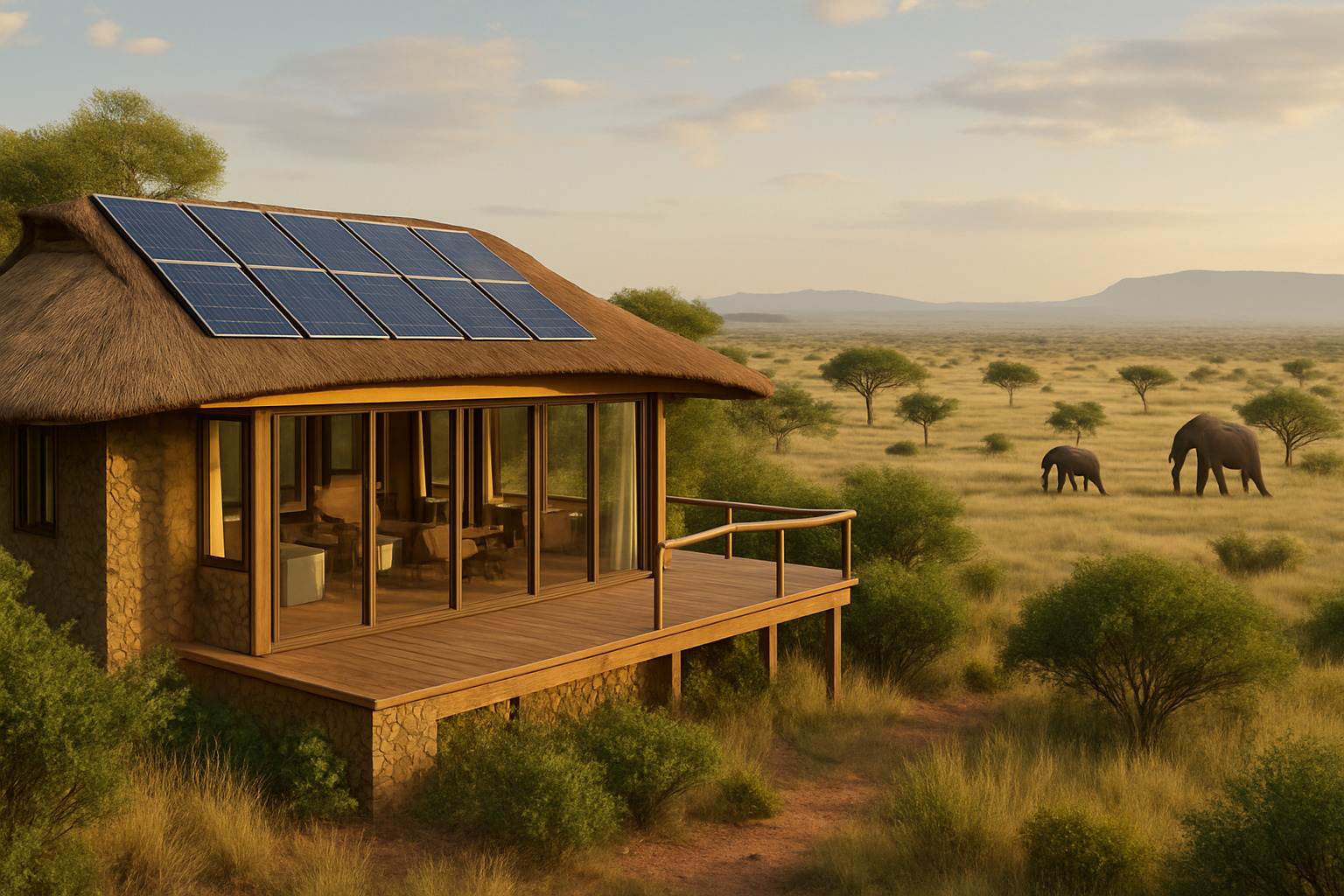
In Mozambique, Sussurro showcases how sustainability and cultural preservation can improve luxury. This off-grid boutique hotel was built entirely by local artisans using regional materials and techniques. Solar power meets all energy needs, and the property collaborates with marine biologists on ocean conservation initiatives.
How Guests Can Verify and Improve Their Eco-Stay
After reading sustainable hotel reviews and booking your stay, your journey toward responsible tourism is just beginning. As an eco-conscious traveler, you have the power to both verify a hotel’s green claims and improve the positive impact of your visit. Let’s explore how you can become an active participant in sustainable tourism rather than just a passive consumer.
Authenticity Checklist
When “eco-friendly” labels are sometimes more marketing than substance, knowing how to spot authentic sustainability efforts is essential. Here’s how to separate genuine green practices from greenwashing:
Ask for evidence behind the claims. Don’t hesitate to request sustainability reports or specific metrics about energy consumption, water conservation practices, or waste management programs. Truly sustainable properties are proud to share their data and achievements.
Verify certification credentials. That impressive-looking eco-label on the website? Take a moment to check if it’s current by visiting the certification organization’s database online. Legitimate sustainable properties maintain their certifications.
Look for honest transparency. The most authentic eco-hotels acknowledge their challenges and areas for improvement rather than claiming environmental perfection. When a property mentions both successes and ongoing sustainability challenges, it’s often a sign of genuine commitment.
Investigate community connections. Hotels with deep sustainability values typically maintain strong partnerships with local conservation groups, community organizations, and environmental experts. Ask about these relationships during your stay.
Get specific in your questions. Rather than asking general questions about being “green,” try more targeted inquiries like “What percentage of your food comes from within 50 miles?” or “How do you manage food waste?” The answers will reveal the depth of their commitment.
During your stay, keep your eyes open. Are those recycling bins actually being used? Is the farm-to-table restaurant really serving local produce? Does staff turn off lights in unused areas? These observations can tell you more than any brochure.
For deeper insights into evaluating sustainability claims in tourism, visit our comprehensive Sustainable Tourism guide.
Participating in On-Site Initiatives
The most rewarding eco-stays invite guests to become active participants in their sustainability journey. These hands-on experiences often become the most memorable parts of your trip:
Join conservation efforts that make a tangible difference. Whether it’s planting native trees at Wilderness Bisate Lodge in Rwanda, participating in coral restoration dives at Soneva Fushi, or joining beach clean-ups at coastal properties, these activities connect you deeply with the destination.
Accept cultural exchange opportunities that support local traditions. Cooking classes using indigenous ingredients, craft workshops with local artisans, or language lessons taught by community members all help preserve cultural heritage while creating meaningful travel memories.
Explore sustainable food systems by visiting the hotel’s organic garden, joining a chef for a foraging expedition, or participating in zero-waste cooking demonstrations. At properties like The Pig at Combe in the UK, guests can even help harvest ingredients for their evening meal.
Be mindful of resources by using in-room features designed for conservation. Try the shower timer at 1 Hotel San Francisco (a simple hourglass that makes water conservation fun), opt for natural ventilation instead of air conditioning when comfortable, and use energy-saving settings on room controls.
Reduce your waste footprint by participating in the hotel’s recycling and composting programs, declining unnecessary daily room cleanings, and reusing linens and towels. Some properties like Six Senses provide reusable water bottles to eliminate plastic waste during excursions.
Support the local economy by choosing hotel-recommended local businesses, artisans, and tour operators that follow sustainable practices. This extends your positive impact beyond the property itself.
Consider offsetting your travel carbon footprint through the hotel’s programs or verified third-party providers. While offsetting isn’t a perfect solution, it can help mitigate the environmental impact of your journey.

By actively engaging with these initiatives, you’ll not only minimize your environmental footprint but also create richer, more meaningful travel experiences. The memories you’ll treasure most often come from these moments of connection—with nature, local communities, and the authentic heart of your destination.
Frequently Asked Questions about Sustainable Hotel Stays
What certifications guarantee genuine sustainability?
When browsing through sustainable hotel reviews, you’ll often see various certification logos—but what do they really mean? The truth is, no single certification covers everything, but several trusted programs can help guide your choices:
LEED and BREEAM certifications focus primarily on the building itself—the energy efficiency, materials used, and overall design sustainability. If you’re impressed by a hotel’s architecture and want to ensure it was built responsibly, these are good indicators.
For day-to-day operations, look for Green Key and EarthCheck certifications, which evaluate how the property manages resources like water and energy, handles waste, and trains staff in sustainable practices.
B Corp Certification goes beyond environmental concerns to assess the hotel’s overall social impact, including fair labor practices and community engagement. Meanwhile, GSTC Recognition indicates alignment with globally recognized sustainable tourism standards.
The most transparent properties often combine multiple certifications or, better yet, provide actual metrics and data beyond just displaying logos. And remember—some wonderful small eco-lodges may practice excellent sustainability without formal certification due to the significant costs involved in the certification process.
How do sustainable hotels handle luxury amenities without waste?
One of the most delightful findies in eco-luxury travel is how innovative properties maintain a sense of indulgence while minimizing waste. The best sustainable hotels aren’t about deprivation—they’re about reimagining luxury in more thoughtful ways.
Instead of tiny plastic bottles of generic toiletries, you might find beautiful ceramic dispensers filled with locally-made organic products. Your welcome drink might arrive in a handblown glass rather than disposable plastic. That plush bathrobe? Likely organic cotton, designed to last for years.
Many eco-conscious properties have finded that quality trumps quantity. Rather than cluttering rooms with disposable items, they offer fewer but better amenities crafted from sustainable materials—think bamboo toothbrushes, coconut fiber scrub brushes, or beeswax food wraps instead of plastic.
The most creative sustainable properties also shift focus from “stuff” to experiences—offering memorable activities and personalized service that create lasting impressions without environmental impact. A private stargazing session or cooking lesson with a local chef often creates more meaningful luxury than disposable amenities ever could.
As one guest at Bambu Indah in Bali noted in their sustainable hotel review: “I never felt I was sacrificing comfort for sustainability—if anything, the thoughtful touches made the experience more special than any conventional luxury hotel I’ve visited.”
Can my stay really make a measurable environmental impact?
Absolutely! Your accommodation choices have significant environmental implications—both positive and negative.
A conventional hotel stay generates approximately 20kg of CO2 per night (roughly equivalent to driving 50 miles in an average car). By choosing carbon-neutral or carbon-positive properties, you can effectively eliminate or even reverse this impact. When the Svart Hotel in Norway opens, staying there will actually help remove carbon from the atmosphere rather than adding to the problem.
The water savings are equally impressive. While standard hotels use about 400 liters of water per guest daily (that’s over 100 gallons!), eco-conscious properties like Sal Salis in Australia have reduced consumption to just 20 liters—a remarkable 95% reduction that makes a real difference in water-stressed regions.
Waste reduction follows a similar pattern. The average hotel guest generates about 1kg of waste daily, but zero-waste properties can divert over 90% from landfills through comprehensive composting, recycling, and reduction strategies.
Your booking choice also affects local communities. Hotels that hire locally and source from nearby producers typically return 70-80% of revenue to local economies, compared to as little as 10% for conventional chain properties. This means your vacation dollars can help support education, healthcare, and infrastructure in the destinations you visit.
Many eco-hotels also contribute directly to conservation—Beyond Green member properties collectively help protect more than 10 million acres of wildlife habitat through direct funding and conservation programs.
So yes, your choice matters. By selecting sustainable accommodations and actively participating in their initiatives, your travel becomes more than just a getaway—it becomes a force for positive change in the world.
Conclusion & Next Steps
As we’ve journeyed through this guide together, it’s clear that sustainable hotel reviews aren’t just about checking eco-boxes—they’re windows into a more thoughtful approach to travel. The properties we’ve explored demonstrate that sustainability and luxury aren’t opposing forces but rather natural companions that improve each other beautifully.
At Soaring in Style, we believe deeply in the power of responsible travel choices. When you choose a hotel that prioritizes both planet and people, your experience often becomes richer, more authentic, and more connected to place. Those sunrise yoga sessions on a deck built from reclaimed wood, or dinners featuring vegetables harvested from the hotel’s garden that afternoon—these moments create memories that last far longer than standard hotel amenities.
Your accommodation choices matter more than you might think. Each booking decision sends a powerful signal to the hospitality industry about what today’s travelers truly value. By selecting properties with genuine sustainability credentials, you’re helping accelerate positive change throughout the entire sector.
As you plan your next trip, we encourage you to:
Look beneath the surface of marketing claims and greenwashing to find properties with verifiable sustainability initiatives. Ask questions, check certifications, and read between the lines of sustainable hotel reviews.
Consider the complete footprint of your stay—from the building materials and energy systems to food sourcing and community impact. The most forward-thinking properties address all these dimensions thoughtfully.
Engage actively with conservation and community programs during your stay. Many of our most memorable travel experiences come from planting coral, harvesting vegetables, or learning traditional crafts from local artisans.
Share your experiences honestly through your own reviews and social media. Your voice helps other travelers make informed choices while holding properties accountable.
The journey toward truly sustainable travel isn’t perfect—even the most eco-conscious properties face challenges and trade-offs. What matters is transparency, continuous improvement, and genuine commitment to positive impact.
Ready to find extraordinary eco-stays for your next trip? Explore more eco-hotel stories on our blog, where we regularly feature properties that are redefining luxury through responsibility. Your next unforgettable, planet-friendly trip awaits!
As responsible travelers, we don’t have to choose between enjoying beautiful places and preserving them—the most rewarding travel allows us to do both.