
Sustainable Packing: Why It Matters and How to Start
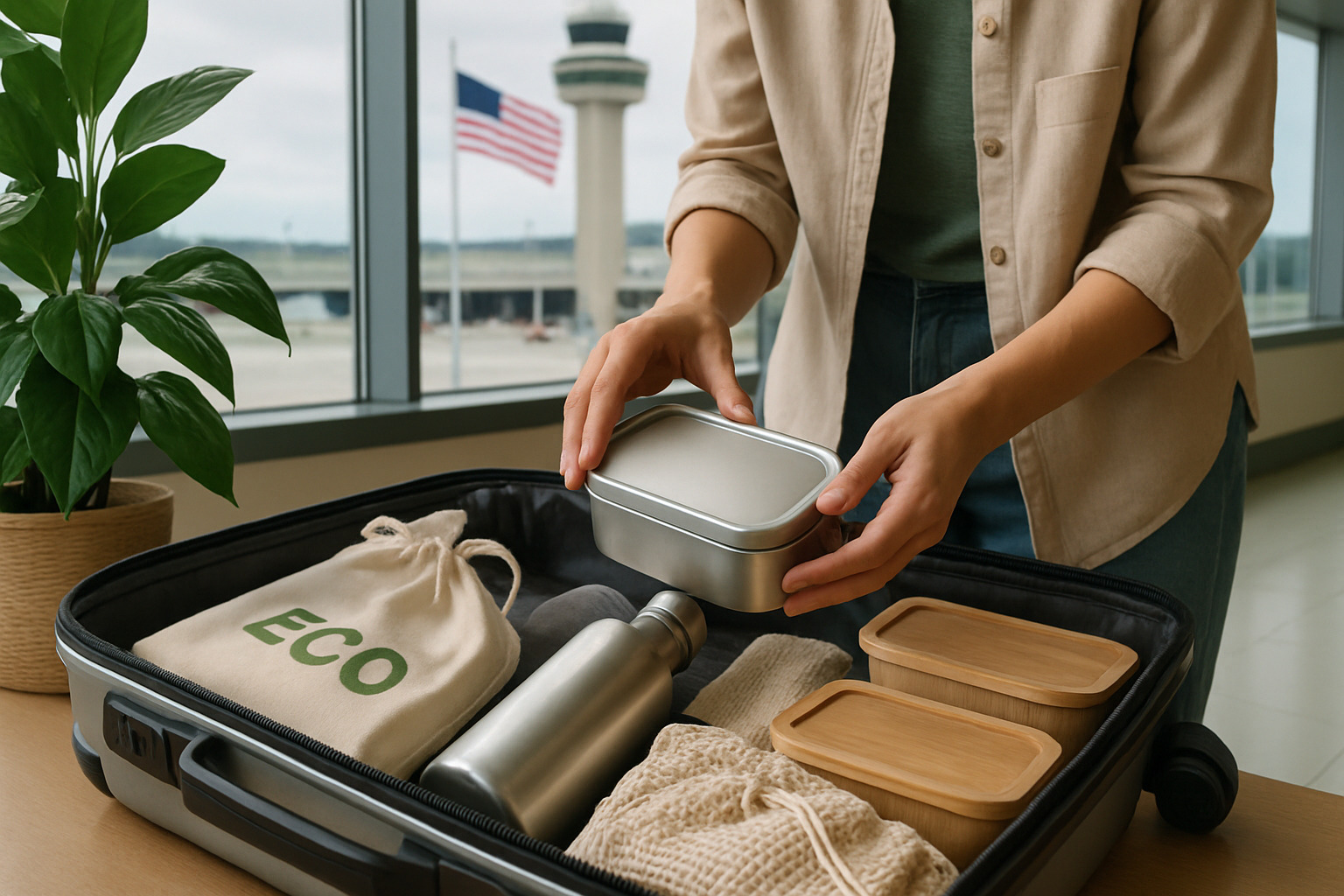
Looking for eco packing tips to reduce your environmental footprint while traveling? Here are the essentials:
- Pack light – Every 2 lbs less luggage saves fuel equivalent to taking 10,500 cars off the road for a year
- Choose reusables – Bring a water bottle, coffee cup, bamboo utensils, and cloth bags
- Opt for solid toiletries – Shampoo bars and solid products eliminate plastic bottles
- Use eco-friendly materials – Select luggage made from recycled materials
- Pack a capsule wardrobe – Bring versatile pieces that mix and match to reduce weight
The way we pack for travel or ship products has a significant environmental impact. Eco packing tips focus on reducing waste, reusing materials, and making sustainable choices that protect our planet. From the 78 million tons of plastic packaging flowing into our oceans annually to the carbon emissions from heavy luggage on flights, our packing choices matter more than we realize.
Whether you’re a luxury traveler seeking unique experiences or a business shipping products, sustainable packing isn’t just good for the environment—it’s increasingly what consumers expect. Studies show that 82% of consumers are willing to pay more for sustainably packaged products.
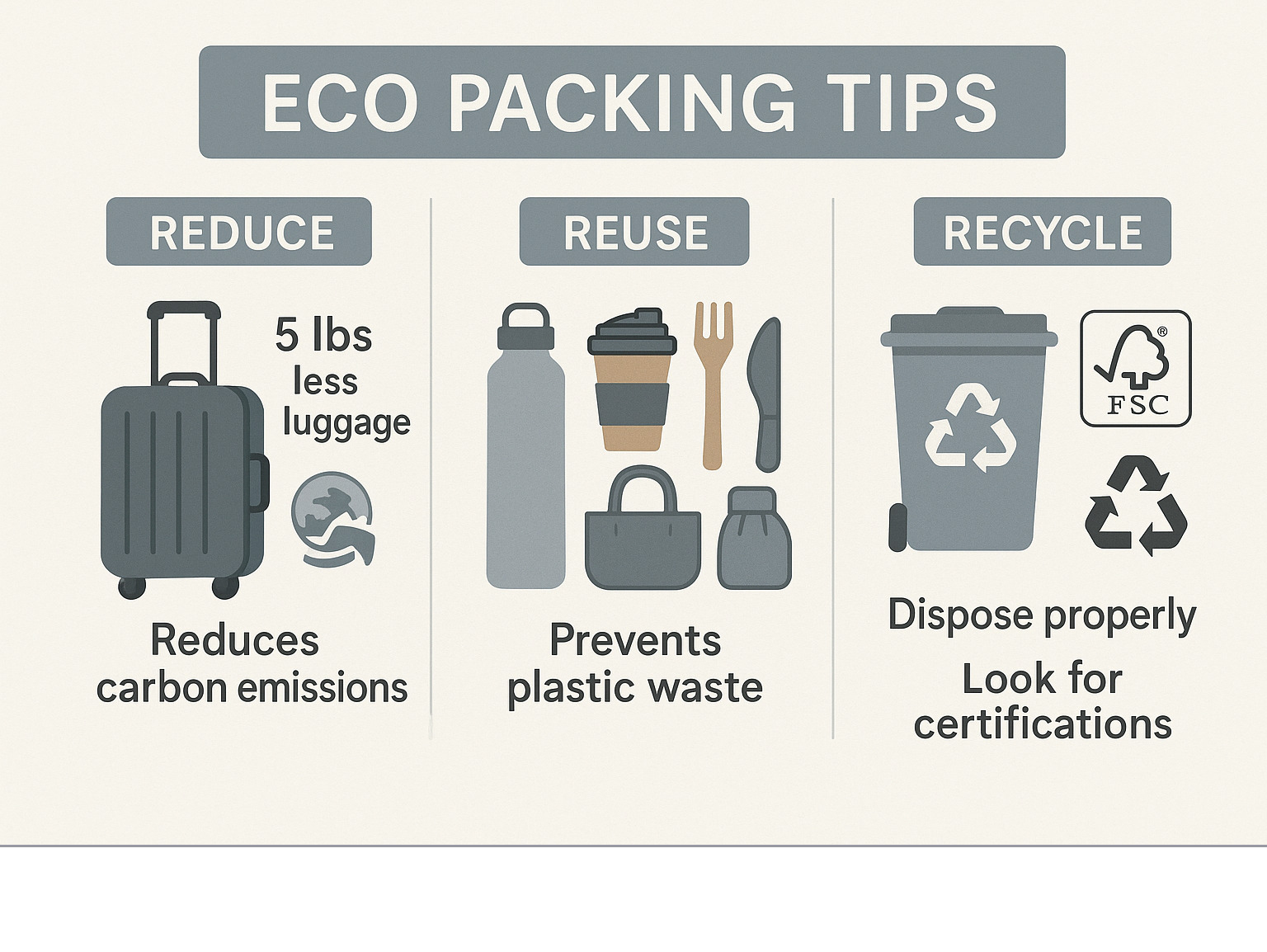
Simple guide to eco packing tips terms:
Why Sustainable Packing Matters
The choices we make when packing have ripple effects far beyond our suitcases. When you board a flight with heavy luggage, you’re not just struggling with that extra weight – you’re contributing to our planet’s carbon footprint. Research shows that if each passenger packed just 2 pounds lighter, the collective fuel savings would be like taking thousands of cars off our roads completely.
Our landfills are reaching breaking points, with packaging waste filling up a shocking portion of that space. Traditional Styrofoam packing materials can linger in landfills for over 500 years – longer than the United States has existed as a country!
There’s a practical side to eco packing tips too. For travelers, packing sustainably often means packing lighter, which helps you avoid checked bag fees and reduces the need to purchase forgotten items at your destination.

The market is speaking loudly on this issue. Research from the Center for Climate and Energy Solutions reveals that sustainability has become a deciding factor for many consumers. This shift means that embracing eco packing tips isn’t just kind to Mother Earth—it’s increasingly what travelers and customers expect.
Environmental Impacts of Traditional Packaging
The reality of our packaging habits is sobering. Every minute, the equivalent of one garbage truck full of plastic enters our oceans—amounting to roughly 78 million tons each year. Much of this comes from single-use packaging we could easily avoid.
Traditional packaging often contains toxic inks and adhesives that leach into our soil and water. These conventional materials, mostly petroleum-based, come from non-renewable resources and generate significant carbon emissions during production.
Mixed-material packages present particular headaches for recycling facilities. They’re simply too complex for standard recycling streams, so they often end up in landfills.
Wildlife pays a heartbreaking price too. Marine animals mistake floating plastic for food, leading to injury and death. The UN projects that by 2050, our oceans might contain more plastic than fish if we continue down this path.
Benefits for Individuals & Businesses
When you adopt eco packing tips for your travels, you’ll likely find yourself becoming more intentional about what you bring. This mindfulness often leads to bringing only what you’ll actually use—reducing stress and creating a more enjoyable travel experience.
For businesses, the benefits are equally compelling:
- Improved brand loyalty shines through when companies demonstrate genuine environmental responsibility
- Repeat customers are the lifeblood of any business—82% of consumers report they would pay more for sustainably packaged products
- Cost savings come naturally with lightweight, efficient packaging designs
- Minimalist design appeal often accompanies eco-friendly packaging, creating stronger aesthetic appeal while being kinder to our environment
Eco Packing Tips: Materials & Planet-Positive Alternatives
The journey toward sustainable packing doesn’t mean compromising on protection or style. Today’s eco-friendly alternatives often outperform traditional materials while being kinder to our planet.
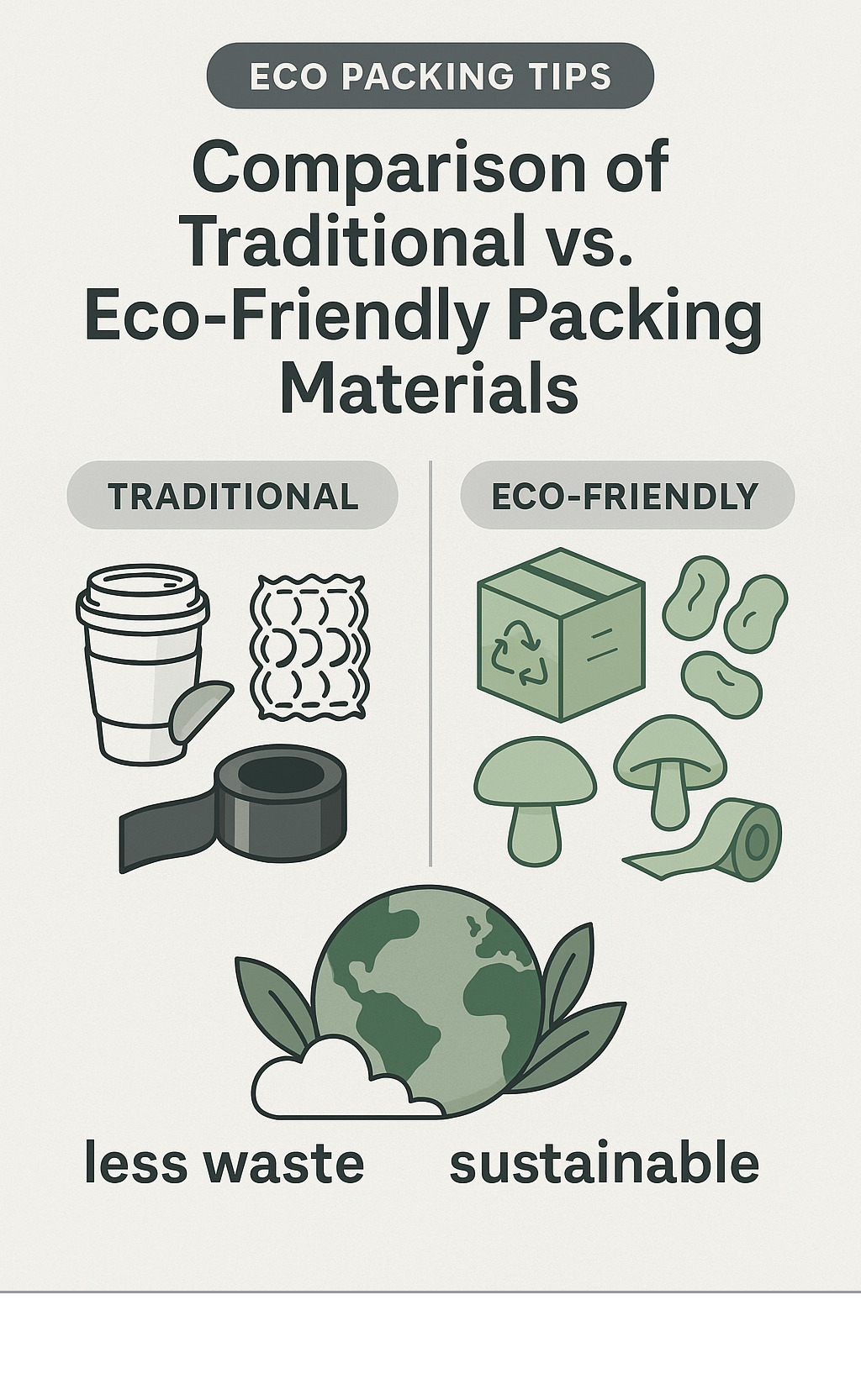
Biodegradable packing peanuts made from cornstarch dissolve in water in seconds, unlike their Styrofoam cousins that linger for centuries. Recycled cardboard boxes use just 15% new fiber, with the rest coming from previously used boxes, dramatically reducing demand for freshly cut trees.
For the adventurous packer, mushroom packaging represents nature’s innovation at its finest. Created from agricultural waste and mycelium (mushroom roots), these materials fully compost after use, returning nutrients to the soil.
Looking to replace plastic wrap? Cornstarch film offers the same functionality but breaks down completely in composting conditions. For sealing packages, mono-material paper tape with natural adhesives eliminates recycling headaches, while water-activated paper tape creates strong seals without plastic.
Curious about more options? Our detailed guide to Biodegradable Packing Materials explores even more alternatives.
Certifications & Labels to Trust
With companies sometimes making exaggerated environmental claims, knowing which certifications actually mean something has become essential.
When shopping for sustainable packaging, look for the Forest Stewardship Council (FSC) logo, which guarantees paper products come from responsibly managed forests. The Cradle to Cradle certification identifies products designed for the circular economy with materials that can be continuously recycled.
For textile-based packaging, the Bluesign certification ensures materials meet strict environmental standards throughout production. And if compostability matters to you, the Biodegradable Products Institute (BPI) verification confirms products will properly break down in commercial composting facilities.
Innovative Products to Try
Mushroom trays have revolutionized electronics packaging, providing the same protection as Styrofoam but decomposing completely after use. For liquid products, bottles made from recovered ocean plastic give new purpose to waste that would otherwise harm marine life.
As a frequent traveler, collapsible silicone foodware that folds flat when not in use is perfect for avoiding takeout containers while exploring new destinations. For clothing shipments, washable fabric liners are replacing single-use plastic bags, while smart QR packaging eliminates the need for printed instructions inside boxes.
One of my favorite innovations is dual-purpose packaging—shipping boxes that transform into storage containers, or wrapping paper embedded with wildflower seeds you can plant after unwrapping your gift.
Eco Packing Tips on Reducing & Reusing
The old saying “Reduce, Reuse, Recycle”? The order matters! When it comes to eco-friendly packing, reducing comes first for a reason. According to scientific research on waste hierarchy, this approach delivers the biggest environmental impact.
Try the “shake test” when packing fragile items. Use just enough cushioning so nothing moves when you gently shake the box. This prevents over-packing while keeping your treasures safe during transit.
Right-sizing your boxes makes a huge difference too. That oversized box isn’t just wasting materials—it’s taking up precious cargo space and increasing carbon emissions during transport. Choose the smallest box that safely fits your items.

If you’re running a business, consider combining shipments whenever possible. Some forward-thinking companies offer customers incentives to consolidate orders or choose slower shipping options.
Going paperless with digital invoices and packing slips saves trees and reduces waste. When you absolutely must include documentation, recycled paper with plant-based inks is the way to go.
Some creative businesses are even installing cardboard shredders to transform used boxes into packing material—a perfect closed-loop system!
How to Use Less Stuff Without Sacrificing Protection
Finding that sweet spot between protection and minimal materials is like a sustainability puzzle. Here are some clever approaches:
- Void-fill mathematics calculates the exact amount of filling material needed based on your box and product dimensions
- Minimalist cushioning focuses protection where it’s needed most instead of wrapping an entire item
- Returnable dunnage works brilliantly for businesses that ship back and forth to the same locations
The “nesting” method works wonders when packing multiple fragile items. By wrapping each piece minimally and arranging them to support each other, you’ll use less material while maintaining protection.
Smart Ways to Repurpose Materials at Home
Before tossing packaging into the recycling bin, consider giving it a second life:
- Sturdy shipping boxes can become beautiful gift containers with a bit of decoration
- Kids’ crafts are the perfect destination for clean packing materials
- Storage solutions are hiding in your deliveries—wine bottle dividers make perfect organizers for craft supplies
Top 10 Eco Packing Tips for Everyday Shipping
- Accept recycled or biodegradable packaging materials
- Give shipping boxes a second life when they’re still in good condition
- Replace plastic fillers with shredded cardboard or paper
- Choose right-sized boxes to minimize empty space
- Switch to water-activated paper tape for fully recyclable packages
- Opt for mono packaging (single material) to simplify recycling
- Combine shipments to reduce per-order packaging
- Go digital with invoices instead of printing
- Include recycling instructions on your packages
- Minimize returns through accurate descriptions and secure packing
Sustainable Packing for Travelers
Lightening your luggage load isn’t just better for your back—it’s a gift to our planet. The carry-on-only approach is the cornerstone of sustainable travel packing. If each passenger packed just 2 pounds lighter, we’d save enough fuel to equal taking 10,500 cars off the road annually!
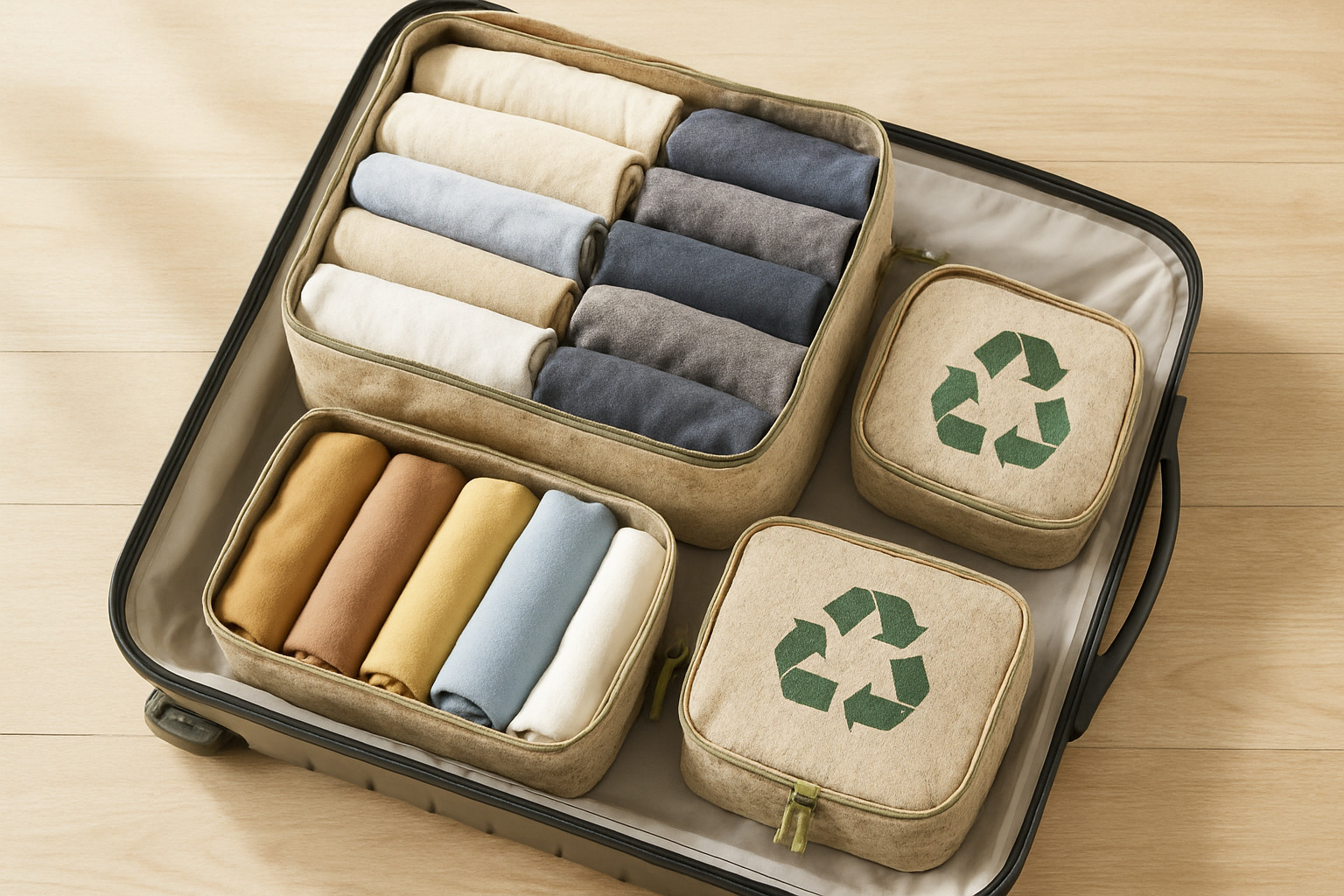
The secret weapon in your sustainable packing arsenal? A thoughtfully designed capsule wardrobe. By selecting versatile pieces that mix and match effortlessly, you’ll need fewer items while still looking fabulous throughout your journey. Want to master this art? Our detailed guide on Packing Light, Living Big: Capsule Wardrobe for the Stylish Traveler has you covered.
Those tiny toiletry bottles add up to massive plastic waste. Consider this: a 50g solid shampoo bar contains the equivalent of 250ml of liquid shampoo—saving space and eliminating plastic. Solid toiletries like shampoo bars, conditioner bars, and stick deodorants are game-changers for eco-conscious travelers. They take up less space, last longer, and don’t count toward your liquid allowance!
For the liquids you can’t replace, invest in quality refillable 100ml bottles made from silicone or other durable materials. And when heading to coastal destinations, choose reef-safe sunscreen free from harmful chemicals like oxybenzone and octinoxate that devastate coral reefs.
For menstruating travelers, menstrual cups or period underwear offer brilliant sustainable alternatives that reduce waste and save luggage space.
Building a Green Capsule Wardrobe
The foundation of truly sustainable travel starts with choosing earth-friendly fabrics:
- Organic cotton eliminates the toxic chemicals used in conventional cotton farming
- Merino wool naturally resists odors, meaning you can wear items multiple times between washes
- Hemp and linen require significantly less water than cotton and return to the earth naturally
Create your travel wardrobe around a cohesive color palette—this simple trick maximizes your outfit combinations. With just three bottoms and five tops that all coordinate, you can create 15 different looks!
Don’t overlook second-hand finds for your travel collection. Thrift stores and online platforms offer pre-loved clothes that often come with character and quality craftsmanship.
Reusable Essentials Checklist
Each reusable item prevents dozens or hundreds of single-use items from entering landfills during your travels:
- A collapsible water bottle keeps you hydrated while preventing plastic waste
- Lightweight bamboo utensils help avoid plastic cutlery when grabbing takeaway meals
- A silicone collapsible cup takes virtually no space but saves countless disposable cups
- A packable lunchbox stores leftovers or creates picnics from local market finds
- A quick-drying microfiber towel reduces hotel laundry while taking minimal space
- Featherlight cloth shopping bags prevent plastic bag use throughout your trips
Quick Eco Packing Tips for Your Carry-on
- Go digital over physical by downloading books, magazines, and travel guides
- Accept multipurpose items like a sarong that works as a beach towel, wrap, and makeshift pillow
- Choose TSA-friendly solid toiletries that don’t count toward your liquid allowance
- Master compression techniques by rolling clothes and using compression bags
- Wear your bulkiest items during travel—your heaviest shoes and jacket don’t need to take up luggage space
- Select lightweight natural fabrics like merino wool that provide warmth without weight
Green Packaging Strategies for Small Businesses
If you’re a small business owner looking to adopt sustainable packaging, you don’t need to overhaul everything overnight. Start with what makes the most impact: sourcing materials in bulk. This simple step not only reduces costs but also minimizes the packaging waste that comes from frequent small orders.
Take time to really know your suppliers through thoughtful audits. Ask important questions about where they source materials, how they manufacture, and what happens to their waste. Finding partners who share your sustainability values creates a powerful ripple effect throughout your supply chain.
One of the most exciting trends we’re seeing is the return of the “milkman model” – refill and deposit schemes where customers return packaging for reuse. This circular approach not only reduces waste but builds community around your brand.

Don’t underestimate the power of education! Including simple instructions about how to reuse or properly recycle your packaging makes customers feel part of your sustainability journey. Get creative with these inserts – some businesses print them on plantable seed paper or use QR codes that eliminate paper entirely.
If your packaging requires printing, switching to water-based inks makes a significant difference. These inks perform beautifully while containing far fewer toxic chemicals than petroleum-based alternatives.
For travel-focused businesses, explore our dedicated guide to Eco Packing Cubes which offers specific strategies for both businesses and travelers making more sustainable choices.
Step-by-Step Transition Plan
Transitioning to eco-friendly packaging works best as a journey rather than a destination. Here’s a measured approach:
- Audit current packaging – what materials are you using now, and which changes would make the biggest environmental impact?
- Pilot test alternatives with small batches before committing
- Gather feedback directly from customers about how your new packaging works in the real world
- Scale gradually, starting with the simplest changes before tackling more complex transitions
- Communicate transparently about your sustainability journey
This gradual approach allows meaningful progress without disrupting your operations or budget.
Educating & Engaging Customers
Your sustainable packaging becomes exponentially more impactful when customers understand how to properly handle it. Think of this as extending your brand relationship beyond the purchase.
On-pack icons using standardized recycling symbols provide quick visual guidance. For more detailed instructions, how-to-recycle QR codes link directly to specific information about your packaging.
Loyalty rewards for customers who participate in packaging return programs create positive reinforcement for sustainable behaviors. We’ve seen businesses successfully implement point systems where returned packaging converts to discounts on future purchases.
Turn sustainability into community building through social media engagement by inviting customers to share creative ways they’ve reused your packaging. Some innovative businesses have created “unboxing challenges” encouraging customers to open products without damaging the packaging, making it easier to reuse.
Key Certifications, Design & Cost Considerations
Making smart packaging choices requires looking at the whole picture – not just what a material is made of, but its entire journey. Lifecycle assessment gives us this complete view, tracking environmental impacts from raw material extraction through to disposal.
When calculating costs, thinking beyond the price tag makes a world of difference. The total cost of ownership includes not just what you pay upfront for packaging materials, but also shipping expenses (which often drop with lighter packaging), storage needs, and potential savings from fewer returns or damaged products.
Lightweight design has become a game-changer for both the planet and profits. According to research on sustainable materials costs, simply optimizing package dimensions to eliminate unnecessary space can slash shipping costs by up to 30%.
Have you considered how your package fits into shipping containers? Smart dimensions that align with standard shipping sizes prevent wasted space during transport. This seemingly small detail makes a significant difference to carbon footprints when implemented at scale.
Working with local packaging suppliers does more than reduce transportation emissions. Many businesses find that local relationships lead to better customization options and more responsive service.
Balancing Budget & Sustainability
Let’s talk honestly about costs. Yes, some eco-friendly packaging options cost more upfront than conventional alternatives. But the complete financial picture often tells a different story:
- Volume discounts can transform pricing – many suppliers offer significant breaks at higher quantities
- Hidden savings in returns don’t show up on initial invoices but add up quickly
- Research consistently shows that 82% of consumers are willing to pay more for sustainably packaged products
“The cheapest option is rarely best if you want something that will last with an honorable supply chain,” one business owner explained to us. This perspective recognizes that true value extends far beyond what appears on the price tag.
Minimalist & Mono-Material Design Principles
There’s a beautiful simplicity in minimalist packaging that serves multiple purposes:
- Easy sorting becomes possible with single-material (mono-material) packaging that eliminates the need to separate components before recycling
- Ink reduction in minimalist designs decreases both costs and environmental impact
- Brand aesthetics often benefit from clean, simple approaches that communicate values effectively
When designing your packaging, consider the entire customer journey. Will they store the product in its packaging? Might they want to reuse the container? These thoughtful questions lead to designs that serve multiple purposes and extend the packaging’s useful life.
Frequently Asked Questions about Eco-Friendly Packing
How do eco materials compare in cost to traditional plastic?
When you’re first exploring eco packing tips, one of the first questions is about cost. Truth be told, eco-friendly materials typically run about 15-30% higher than traditional plastic packaging when you’re just looking at the price tag. But this gap keeps shrinking as more people demand sustainable options and production scales up.
The real value becomes clear when you consider the bigger picture. Many businesses find that when they factor in lighter shipping weights, potential tax incentives for sustainable practices, and the loyalty they build with environmentally-conscious customers, the economics actually work in their favor.
For travelers, it’s often a matter of upfront investment versus long-term savings. As one frequent flyer shared, “My $25 water bottle has paid for itself many times over by avoiding $3-4 bottled water purchases at airports.”
Which certifications guarantee true compostability or recyclability?
With so many vague “green” claims out there, it’s refreshing to find packaging with legitimate certifications. For compostability, look for the Biodegradable Products Institute (BPI) certification or the European standard (EN 13432). These verify that materials will actually break down in commercial composting facilities within a specific timeframe.
When it comes to recyclability, the How2Recycle label offers clear guidance on which parts of packaging can be recycled and exactly how to do it. The Recycled Content certification (RCS) helps verify claims about the percentage of recycled material in a product.
Be skeptical of vague terms like “eco-friendly” or “green” that don’t come with specific certifications. Genuine sustainability claims should always be backed by third-party verification and clear details about materials and processes.
What’s the simplest first step toward eco packing tips adoption?
For travelers looking to implement eco packing tips, start with the simplest yet most impactful change: pack lighter. Every pound you leave at home reduces fuel consumption and emissions. Try challenging yourself to remove 2-3 items from your typical packing list.
Business owners can begin by taking a good look at their current packaging and identifying the least sustainable components. Often, simple swaps (like switching from plastic tape to paper tape) can make a meaningful difference without disrupting operations.
For home packing needs, start keeping a collection box for reusable packaging materials. That clean bubble wrap, packing paper, and sturdy boxes can have a second life before eventually being recycled.
The most important thing is to just begin somewhere. As one packaging expert put it, “Sustainability is a journey, not a destination. Every improvement matters.”
Conclusion
The journey toward more sustainable packing isn’t just about reducing waste—it’s about changing our relationship with the things we carry and how we move through the world. At Soaring in Style, we’ve found that adopting eco packing tips actually improves travel experiences rather than limiting them, creating more meaningful connections with the places we visit and the planet we all share.
Sustainability is never about perfection—it’s about progress. Each trip becomes an opportunity to refine your approach, experiment with new sustainable products, and further lighten your environmental footprint.
We’d love to challenge you to implement at least three new eco packing tips from this guide on your next trip. Perhaps you’ll finally try that shampoo bar you’ve been curious about, commit to traveling with only a carry-on, or experiment with building a versatile capsule wardrobe.
For more inspiration to improve your sustainable travel journey, explore our comprehensive guide to sustainable travel essentials.
Before rushing to purchase new “eco-friendly” products, take a moment to look around your home. Often, the most sustainable item is the one already sitting in your closet. True sustainability isn’t just about better materials—it’s about mindful consumption and making the most of what we already have.
Carbon-smart habits, once formed, tend to stick with us. The thoughtfulness you develop through sustainable packing often extends to other areas of life, creating a positive cycle of more conscious choices wherever you go.
Safe and sustainable travels from all of us at Soaring in Style—may your journeys be light in both luggage and environmental impact!